Escalating US-Iran Conflict Shakes Gulf Region as Strikes Intensify and Oil Prices Surge
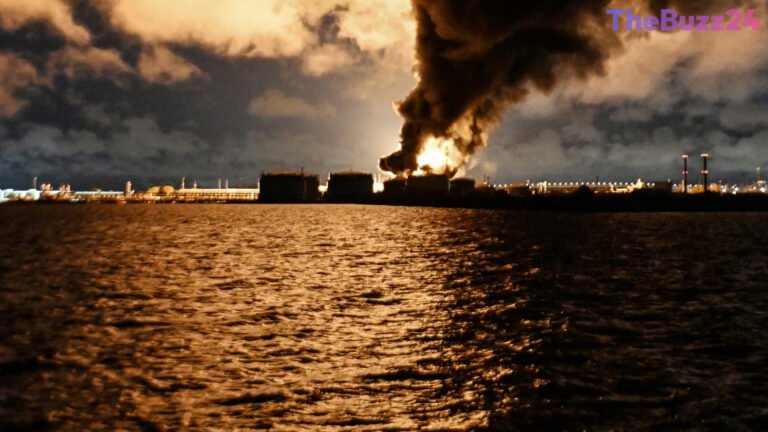
Military hostilities between the United States and Iran have escalated dramatically following a series of retaliatory airstrikes across the Gulf region. Tehran launched targeted attacks on U.S. military installations located in neighboring Gulf nations, including Jordan, Kuwait, and Bahrain. In response, American forces executed a sustained six-hour bombardment of key military sites inside Iran, aiming to neutralize threats to maritime traffic in the strategically vital Strait of Hormuz. The strikes targeted command centers, air defense installations, and coastal surveillance facilities, notably around the port city of Bandar Abbas and Greater Tunb Island.
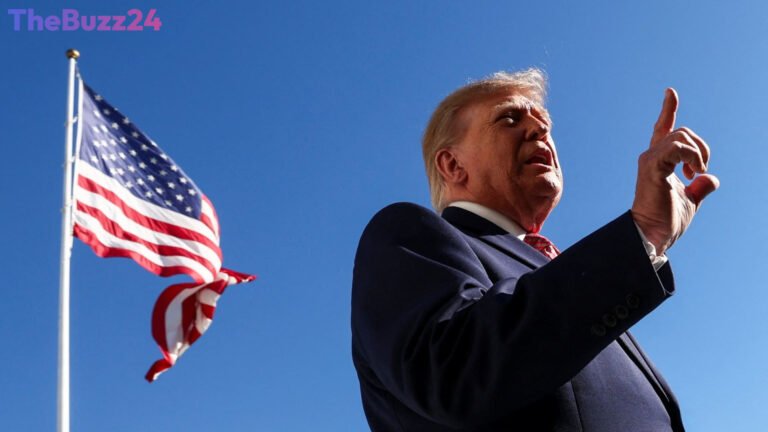
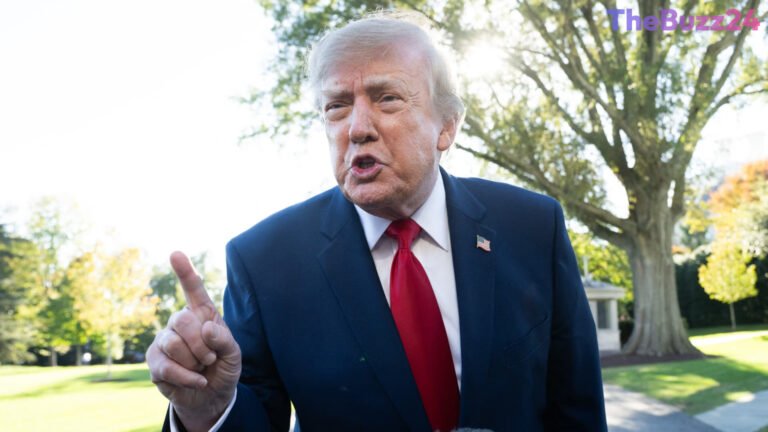
The surge in violence follows stern warnings from U.S. President Donald Trump, who demanded that Iran return to the negotiating table or risk severe strikes on its critical energy infrastructure. However, Iranian officials have remained defiant. Tehran’s chief negotiator, Mohammad Bagher Ghalibaf, asserted that Iran has no incentive to honor agreements that do not serve its national interests, emphasizing that control over the Strait of Hormuz remains central to the country’s security strategy.
The conflict has severely disrupted global energy corridors. Following the reinstatement of a U.S. blockade on Iranian ports—reversing a temporary agreement reached last month—American forces recently disabled a Curacao-flagged oil tanker bound for Iran. In response, Iran’s Revolutionary Guard Corps threatened to shut down additional international oil and gas transit routes. With the Strait of Hormuz effectively closed, global oil prices have spiked as maritime tanker traffic ground to a near-total halt.
Amidst the military confrontation, a brief diplomatic opening emerged with the release of Dena Karari, an American citizen detained in Iran since December 2024. President Trump publicly acknowledged the release as a positive gesture of goodwill. While Karari’s return offers a rare moment of de-escalation, the broader geopolitical standoff remains highly volatile, with both nations dug into their respective military and economic positions.
Key Takeaways
- The U.S. and Iran exchanged heavy military strikes, targeting Gulf military bases and Iranian coastal defense infrastructure.
- The Strait of Hormuz remains closed following a reinstated U.S. naval blockade, causing a sharp increase in global oil prices.
- Despite the intense military conflict, Iran released detained U.S. citizen Dena Karari in what has been described as a goodwill gesture.
Editor’s Analysis & Impact
The rapid escalation of conflict in the Persian Gulf highlights the fragile nature of modern energy security. By targeting the Strait of Hormuz—a chokepoint responsible for the transit of a significant portion of the world’s petroleum—Iran is leveraging its geographical advantage to counter U.S. economic pressure. The reinstatement of the U.S. blockade and subsequent military engagements have already sent shockwaves through global energy markets, driving oil prices upward. If the blockade persists and Iran acts on its threats to disrupt alternative export routes, global inflation could spike, complicating central bank policies worldwide. While the release of Dena Karari suggests that diplomatic channels are not entirely closed, a sustainable resolution remains unlikely without significant concessions on energy sanctions and regional security arrangements.
Frequently Asked Questions
Q: Why is the Strait of Hormuz so important in this conflict?
A: The Strait of Hormuz is a vital global maritime chokepoint through which a large percentage of the world's oil supply passes. Closure or disruption of this waterway immediately impacts global oil supplies, leading to rapid increases in energy prices worldwide.
Q: What triggered the latest round of military strikes?
A: The strikes were triggered by escalating tensions over a reinstated U.S. blockade on Iranian ports, which led to retaliatory Iranian attacks on U.S. military bases in neighboring Gulf states and subsequent American counter-strikes to protect shipping lanes.
Q: Who is Dena Karari and why was she released?
A: Dena Karari is an American citizen who had been detained in Iran since December 2024. Her release was framed as a goodwill gesture by Iran amidst the ongoing military hostilities, though it has not yet led to a broader ceasefire.
AI Disclosure: This article is based on verified data and official reports. Our Team and AI have cross-referenced every financial detail with primary sources to ensure total accuracy.
More from this Category