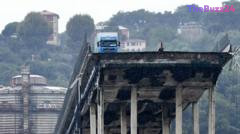
Genoa Bridge Disaster: Families Await Justice After Years of Legal Proceedings
Nearly eight years after the catastrophic collapse of the Morandi bridge in Genoa, Italy, families of the 43 victims are gathering in court to hear a long-awaited first-instance verdict. The tragedy, which occurred on August 14, 2018, saw a section of the vital viaduct plummet during a severe storm, claiming the lives of dozens of motorists and passengers. For the families left behind, the upcoming ruling represents a critical moment in their quest for accountability and closure after years of emotional turmoil and complex legal battles.
The trial, which began in July 2022, has involved 57 defendants, including former executives from toll road operator Autostrade per l’Italia and its parent company, Atlantia, as well as engineers and transport ministry officials. Prosecutors have argued that the disaster was the result of systemic negligence, alleging that maintenance was repeatedly deferred despite clear warning signs. Conversely, the defense has maintained that the collapse was caused by an inherent design flaw in the bridge’s cables, which they claim could not have been mitigated by standard maintenance protocols.
As the verdict approaches, the case has sparked a broader national conversation regarding the safety and longevity of Italy’s aging infrastructure. While the criminal proceedings have been marked by lengthy delays and procedural debates, the current leadership of Autostrade per l’Italia recently issued a formal apology, acknowledging the pain caused by the company’s previous silence. Regardless of the court’s decision, the disaster remains a somber reminder of the human cost of infrastructure failure and the ongoing struggle for justice in the face of corporate and bureaucratic complexity.
Key Takeaways
- A first-instance verdict is expected for the 2018 Morandi bridge collapse that killed 43 people.
- The trial involves 57 defendants, including former executives and officials, facing charges ranging from manslaughter to document falsification.
- The case highlights a fundamental dispute between prosecution claims of neglected maintenance and defense arguments regarding inherent design flaws.
Editor’s Analysis & Impact
The Genoa bridge disaster trial serves as a landmark case for corporate accountability in infrastructure management. Beyond the immediate legal outcome, the proceedings have exposed deep-seated vulnerabilities in Italy’s oversight mechanisms and the maintenance culture of privatized toll operators. The industry impact is significant; it has forced a re-evaluation of how aging infrastructure is monitored and financed across Europe. Future implications include stricter regulatory frameworks for public-private partnerships and a shift in how engineering firms approach the liability of legacy structures. For the families, the verdict is a symbolic milestone, but for the broader construction and transport sectors, the case underscores that deferred maintenance is not merely a financial decision but a potential liability that can lead to catastrophic loss of life and long-term reputational ruin.
Frequently Asked Questions
Q: What caused the Morandi bridge to collapse?
A: The cause is the subject of a major legal dispute. Prosecutors argue that maintenance was neglected and warning signs were ignored, while the defense contends that a hidden design flaw in the bridge's cables made the collapse inevitable.
Q: Has the bridge been replaced?
A: Yes, a new structure, the Genoa San Giorgio Bridge, was designed by architect Renzo Piano and opened in August 2020, just 18 months after the remains of the original bridge were demolished.
AI Disclosure: This article is based on verified data and official reports. Our Team and AI have cross-referenced every financial detail with primary sources to ensure total accuracy.
More from this Category