Fed Chair Kevin Warsh Wins Praise from Senate Banking Committee After Debut Testimony
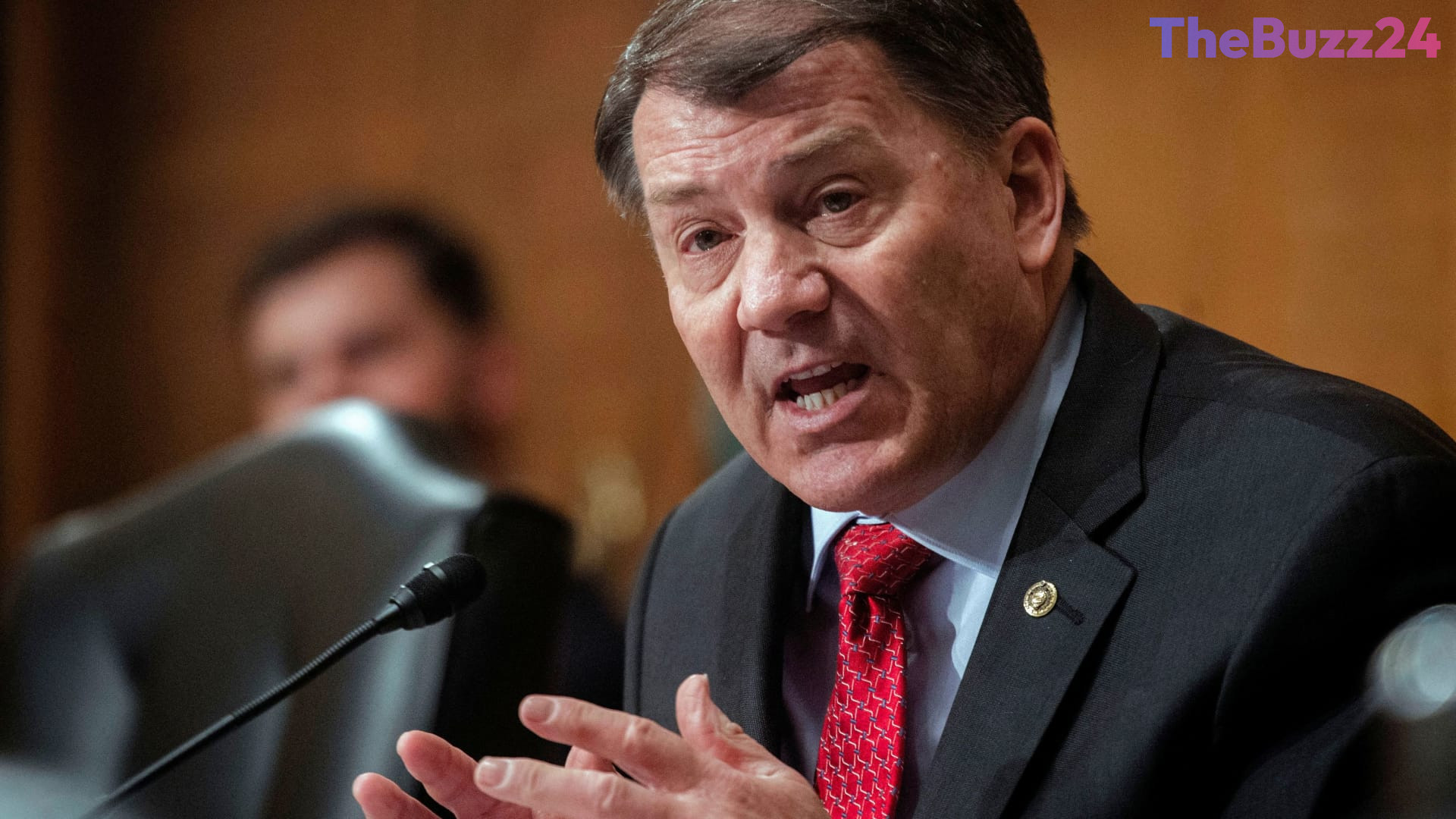
Federal Reserve Chairman Kevin Warsh has received positive feedback from Capitol Hill following his first round of congressional testimony since taking office in May. Senator Mike Rounds, a key member of the Senate Banking Committee, publicly commended Warsh’s performance, stating that the new central bank chief struck the appropriate tone regarding inflation control and the preservation of the Federal Reserve’s institutional independence.
Warsh, who succeeded Jerome Powell after a period of intense public pressure from President Donald Trump over interest rate policies, faced two days of rigorous questioning before both House and Senate panels. During his first policy meeting as chairman in June, the Federal Reserve opted to hold interest rates steady—a decision Senator Rounds described as correct. Rounds emphasized that while lowering 30-year mortgage rates and overall inflation remains a critical long-term goal, maintaining current rates was the prudent initial step.
A central theme of Warsh’s testimony was asserting the Fed’s autonomy from political influence, especially following Trump’s highly publicized disputes with Powell. Rounds echoed the necessity of this separation, expressing his desire for an independent central bank that makes decisions free from executive pressure. Furthermore, the senator aligned Warsh’s inflation-fighting stance with recent legislative efforts by Congress, such as a comprehensive housing package designed to lower costs for homebuyers and curb institutional control of rental properties.
Key Takeaways
- Senator Mike Rounds praised Federal Reserve Chairman Kevin Warsh's focus on inflation and commitment to central bank independence during his first congressional testimony.
- The Federal Reserve maintained steady interest rates during Warsh's inaugural policy meeting in June, a move supported by members of the Senate Banking Committee.
- Warsh's testimony sought to reassure lawmakers of the Fed's autonomy following intense political pressure from the White House during his predecessor Jerome Powell's tenure.
Editor’s Analysis & Impact
Kevin Warsh’s successful debut before Congress marks a critical transition period for U.S. monetary policy. By securing early bipartisan support from key figures like Senator Rounds, Warsh has managed to temporarily soothe market anxieties regarding potential political interference in central bank decisions. The transition from Jerome Powell to Warsh was highly scrutinized due to President Trump’s overt pressure to slash interest rates. Warsh’s decision to hold rates steady in June, coupled with his firm stance on independence, signals to global financial markets that the Federal Reserve will continue to prioritize macroeconomic stability over political expediency. However, the true test for Warsh will lie in navigating future rate cuts. If inflation remains sticky, any decision to keep rates elevated could reignite friction with the White House, testing the very independence Warsh so strongly defended during his congressional hearings.
Frequently Asked Questions
Q: Why did Kevin Warsh replace Jerome Powell as Federal Reserve Chairman?
A: Kevin Warsh took over the role in May after President Donald Trump chose to replace Jerome Powell, who had faced persistent criticism from the administration for refusing to lower interest rates.
Q: What was the outcome of the Federal Reserve's first meeting under Chairman Warsh?
A: During Warsh's first policy meeting as chairman in June, the Federal Reserve decided to hold interest rates steady, a move that received support from congressional leaders focusing on long-term inflation reduction.
Q: Why is Federal Reserve independence a major topic of discussion?
A: Central bank independence is crucial for maintaining market confidence, ensuring that monetary policy decisions—such as setting interest rates—are based on economic data rather than short-term political pressures.
AI Disclosure: This article is based on verified data and official reports. Our Team and AI have cross-referenced every financial detail with primary sources to ensure total accuracy.
More from this Category