Oil Prices Surge as Iran Threatens Massive Retaliation Against US Infrastructure Threats
Global oil benchmarks climbed on Friday as energy markets reacted to escalating geopolitical rhetoric between the United States and Iran. West Texas Intermediate (WTI) crude futures for August delivery gained 1.32% to settle at $80.09 per barrel, while September Brent crude futures rose 1.33% to reach $85.35 per barrel. The upward movement reflects growing investor anxiety over potential disruptions to global energy supplies.
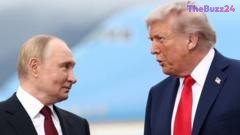
The price spike follows a sharp exchange of warnings between Washington and Tehran. President Donald Trump recently declared that American forces would target critical Iranian infrastructure within the coming week unless a diplomatic breakthrough is achieved. In response, a spokesperson for Iran’s top military command issued a stark warning, stating that any U.S. military action would trigger devastating retaliatory strikes against all key infrastructure across the broader Middle East region.
Despite the aggressive posturing, some energy market analysts suggest that a diplomatic resolution remains the most probable outcome, though the margin for error is narrowing. Both nations face significant economic pressures to avoid an all-out conflict. The U.S. administration is highly motivated to keep fuel prices stable ahead of the upcoming midterm elections, while Iran remains eager to secure a substantial economic relief package that includes access to frozen foreign assets and crucial oil export waivers.
Key Takeaways
- Oil prices jumped over 1.3%, with Brent crossing $85 and WTI hovering around $80 per barrel amid heightened geopolitical risks.
- Iran warned of widespread regional infrastructure destruction if the U.S. executes threatened strikes on its facilities.
- Analysts believe economic incentives, including U.S. election pressures and Iranian asset freezes, may still drive both sides toward a limited diplomatic agreement.
Editor’s Analysis & Impact
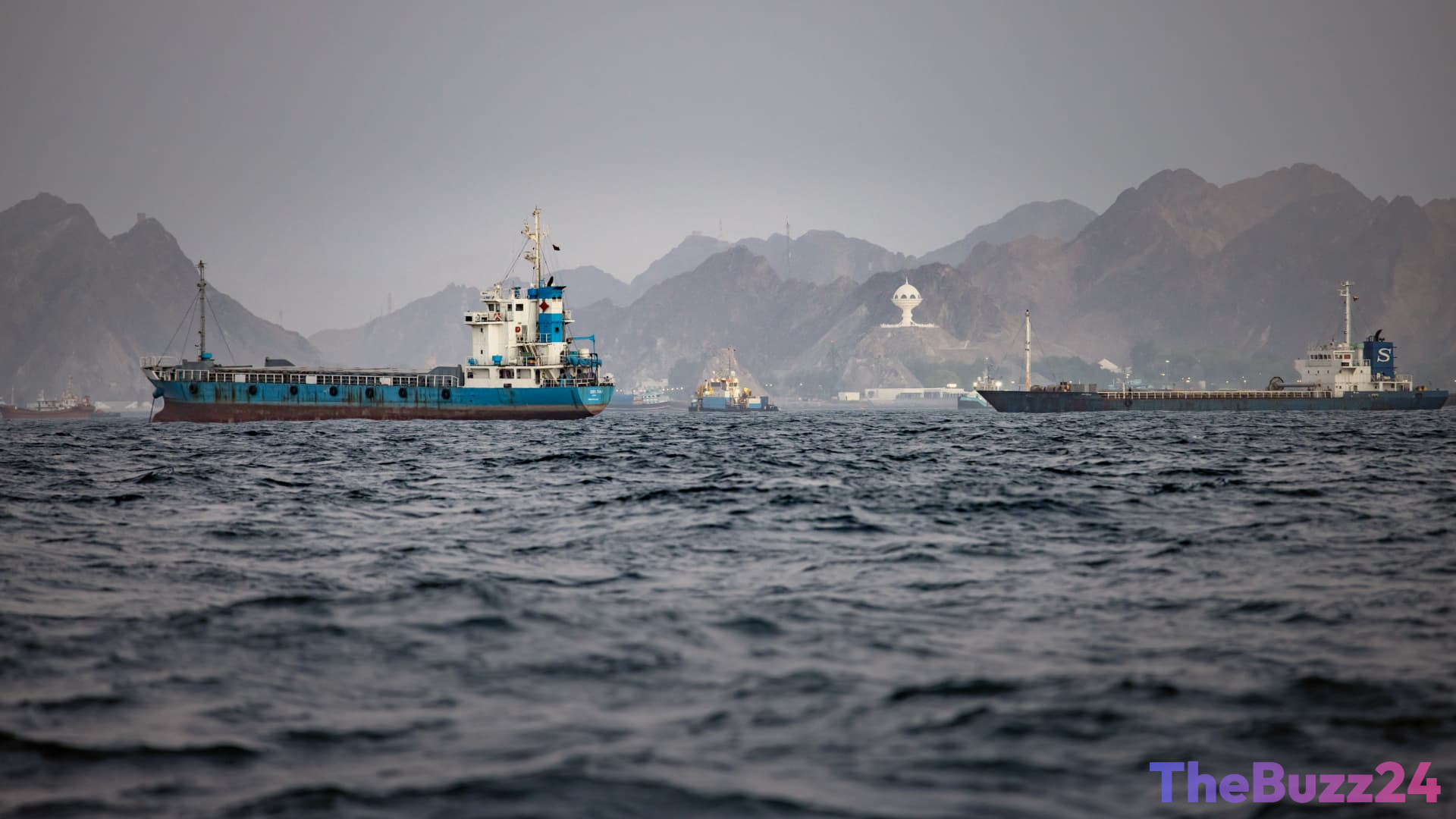
The sudden escalation in U.S.-Iran rhetoric underscores the persistent vulnerability of global energy markets to geopolitical friction in the Middle East. While military posturing often serves as a negotiating tactic, the threat of targeting regional infrastructure introduces a high-risk premium to crude pricing. If actual conflict erupts, the disruption to key transit routes like the Strait of Hormuz could send oil prices well past $100 a barrel, triggering widespread global inflation. However, the underlying economic realities—specifically the U.S. administration’s need to manage domestic inflation before elections and Iran’s desperate need for sanctions relief—suggest that both parties are playing a high-stakes game of chicken. Investors should prepare for heightened volatility in the near term, but a total breakdown into war remains a tail-risk rather than the baseline expectation.
Frequently Asked Questions
Q: Why did oil prices rise recently?
A: Oil prices increased due to escalating tensions between the U.S. and Iran, sparked by mutual threats of military action targeting critical energy and regional infrastructure.
Q: What are the specific price changes for WTI and Brent crude?
A: West Texas Intermediate (WTI) futures rose 1.32% to $80.09 per barrel, while Brent crude futures advanced 1.33% to $85.35 per barrel.
Q: What economic factors might prevent an actual military conflict?
A: The U.S. wants to keep domestic fuel prices low ahead of upcoming elections, while Iran seeks to secure economic benefits, including access to frozen assets and oil export waivers.
AI Disclosure: This article is based on verified data and official reports. Our Team and AI have cross-referenced every financial detail with primary sources to ensure total accuracy.
More from this Category