Beyond the Strait: Why the Middle East’s Multi-Billion Dollar Pipeline Push Won’t Solve Its Security Crisis
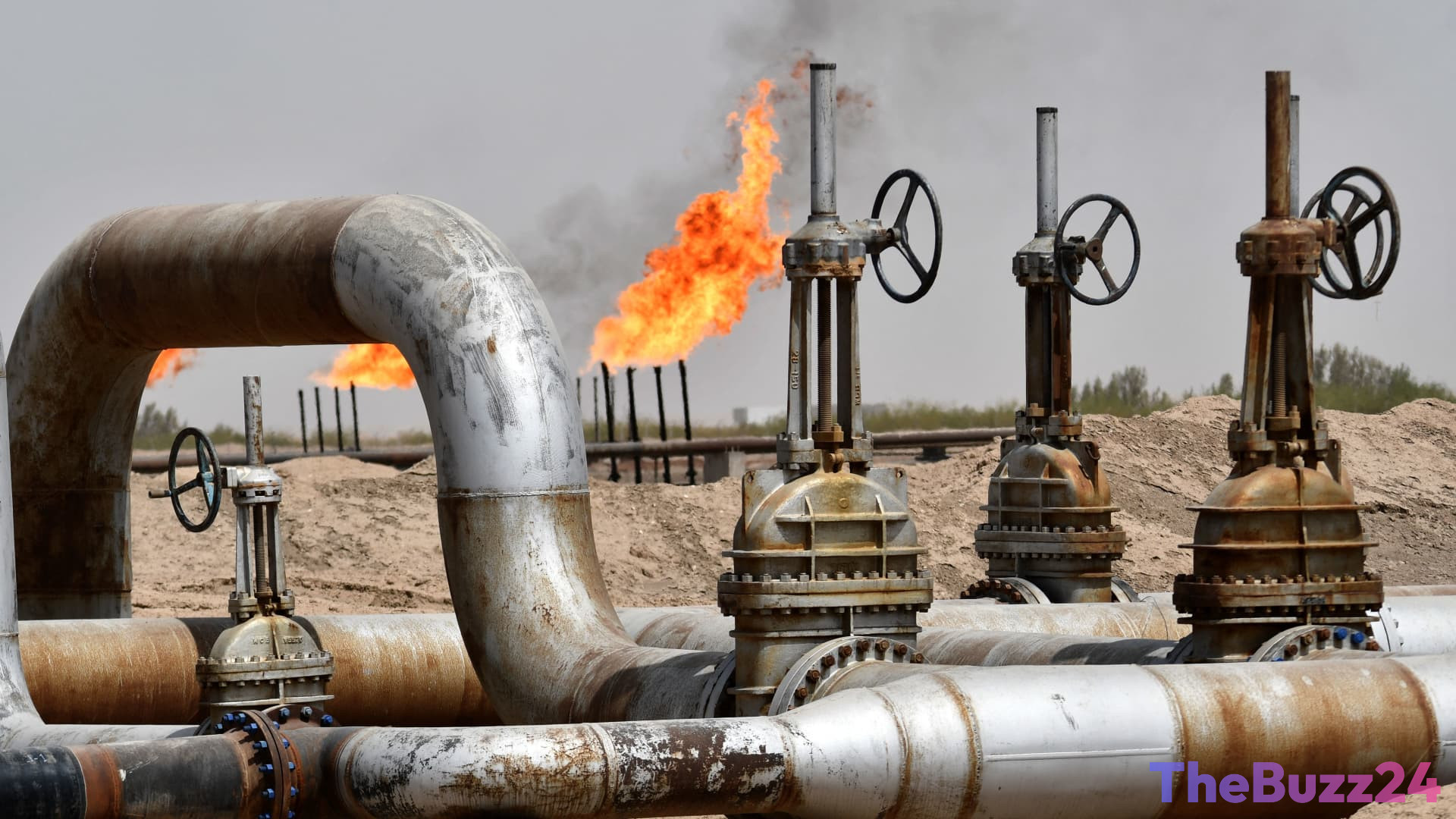
Middle Eastern oil producers are aggressively expanding their pipeline infrastructure to bypass the volatile Strait of Hormuz, a critical maritime chokepoint currently plagued by frequent attacks on commercial tankers. With seven major pipeline projects either under construction or in the planning phases, regional capacity is projected to surge to over 14 million barrels per day by the end of 2028. This expansion, which could cover more than 60 percent of the Gulf states’ pre-war export volumes, represents a massive financial and geopolitical effort to secure global energy supplies.
Key regional players are leading this infrastructure push. The United Arab Emirates is working to double its export capacity outside the Strait of Hormuz by constructing a second pipeline to the Port of Fujairah on the Gulf of Oman. Meanwhile, Saudi Arabia is exploring a 2-million-barrel-per-day expansion of its East-West pipeline to the Red Sea. Iraq, which has seen its production plummet from 4.2 million barrels per day to 1.9 million due to shipping disruptions, is also receiving international support to rebuild a crucial northern pipeline running from Kirkuk through Syria to the Mediterranean Sea.
Despite these massive investments, energy analysts warn that pipelines are not a foolproof solution to the region’s security vulnerabilities. Land-based infrastructure remains highly susceptible to low-cost, asymmetric attacks. Previous incidents, such as a drone strike on a Saudi pumping station that slashed throughput by 700,000 barrels per day, underscore this reality. Rather than completely replacing maritime routes, these pipelines function primarily as geopolitical hedges that remain within reach of hostile actors capable of targeting pumping stations, storage terminals, and loading facilities.
The threat is further compounded by geopolitical tensions surrounding alternative routes. Iran and its Houthi allies in Yemen have threatened to shut down the Bab el-Mandeb Strait, a vital passage connecting the Red Sea to global markets. Such a blockade would effectively neutralize Saudi Arabia’s efforts to divert crude to its Yanbu export terminal, demonstrating that shifting oil from sea to land simply relocates the geopolitical bottleneck rather than eliminating it.
Key Takeaways
- Middle East nations are developing seven pipeline projects to bypass the Strait of Hormuz, aiming to handle over 14 million barrels per day by 2028.
- Despite bypassing maritime chokepoints, land pipelines remain highly vulnerable to asymmetric drone and missile attacks targeting pumping stations and terminals.
- Threats to alternative routes like the Bab el-Mandeb Strait could still block diverted oil flows, proving that pipelines are geopolitical hedges rather than absolute solutions.
Editor’s Analysis & Impact
The aggressive pipeline expansion in the Middle East highlights a fundamental shift in global energy security strategy, transitioning from reliance on open sea lanes to land-based corridors. However, this transition does not eliminate geopolitical risk; it merely changes its form. While pipelines offer temporary relief during maritime crises, their fixed nature makes them easy targets for asymmetric warfare, as seen in previous drone strikes on Saudi infrastructure. For global markets, this means the risk premium on crude oil will remain elevated despite new infrastructure. Investors and importing nations must realize that physical diversification of routes does not equal immunity from supply disruptions. Ultimately, the stability of Middle Eastern oil exports will continue to depend on regional political stability rather than engineering solutions.
Frequently Asked Questions
Q: Why are Middle Eastern countries building pipelines to bypass the Strait of Hormuz?
A: Countries are building these pipelines to reduce their reliance on the Strait of Hormuz, where frequent attacks on oil tankers threaten seaborne crude exports and disrupt global energy markets.
Q: What are the main vulnerabilities of these new pipelines?
A: While they avoid sea-lane disruptions, pipelines are highly vulnerable to land-based asymmetric attacks, including drone and missile strikes on pumping stations, storage facilities, and export terminals.
Q: How does the threat to the Bab el-Mandeb Strait impact these pipeline strategies?
A: A closure of the Bab el-Mandeb Strait would block oil diverted to Red Sea ports like Yanbu, effectively neutralizing the benefits of pipelines designed to bypass the Persian Gulf.
AI Disclosure: This article is based on verified data and official reports. Our Team and AI have cross-referenced every financial detail with primary sources to ensure total accuracy.
More from this Category