Stagnation and High Costs: The Summer Slump Gripping the U.S. Housing Market
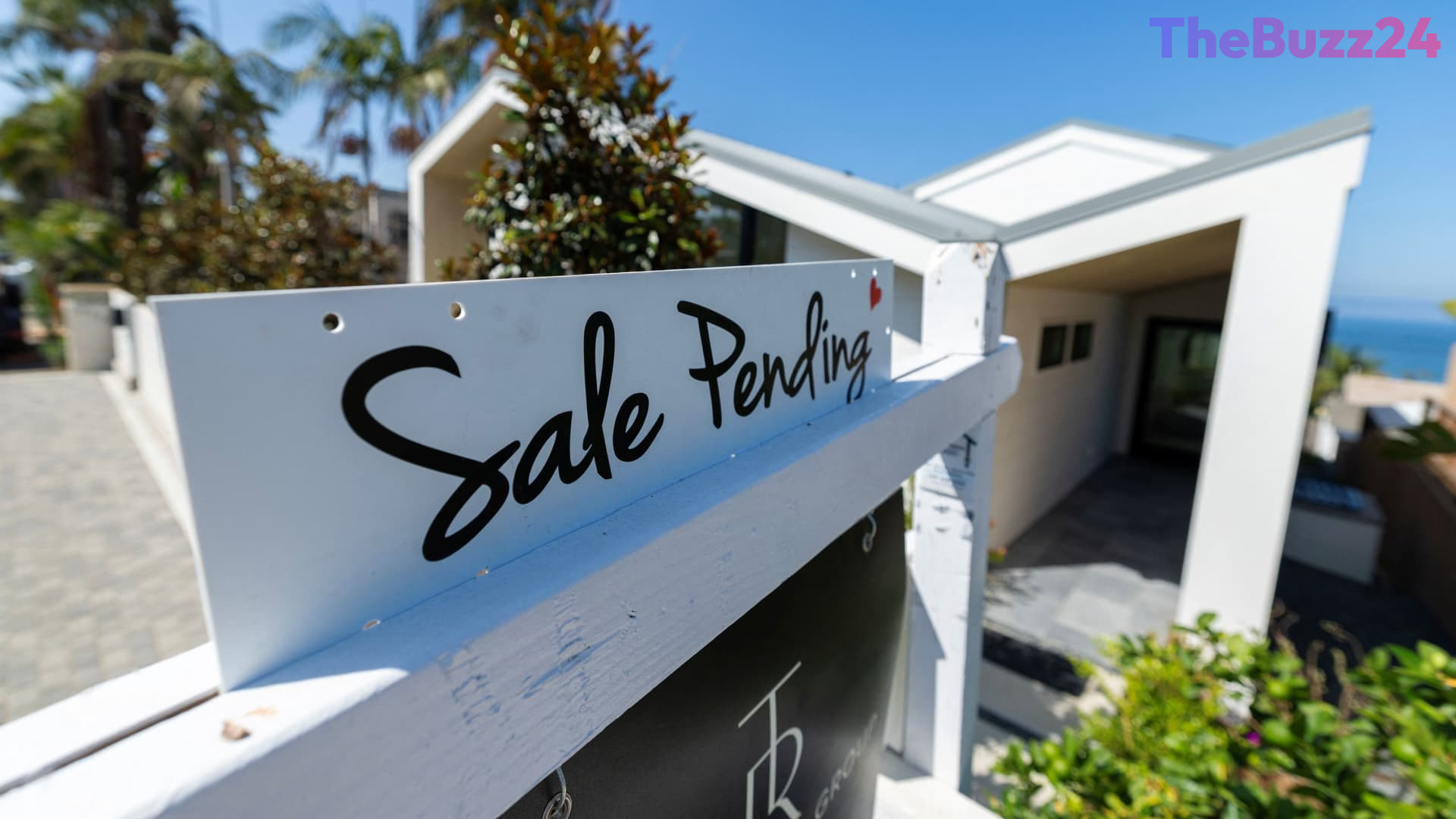
The U.S. housing market is facing a significant downturn this summer as a combination of record-high prices and elevated mortgage rates stifles activity. Recent data indicates that pending home sales, which track signed contracts on existing properties, plummeted by 5.4% in June compared to the previous month. This decline, which fell well below market expectations, highlights a growing reluctance among buyers to enter a market defined by prohibitive costs.
Simultaneously, the construction sector is signaling deep pessimism. Sentiment among single-family homebuilders has dropped to its lowest point in nearly a year, remaining in negative territory for 15 consecutive months. Builders are increasingly forced to resort to price cuts and sales incentives to move inventory, as the cost of land, materials, and skilled labor continues to climb. With 37% of builders reporting price reductions in July, the industry is clearly struggling to balance profitability with the reality of a cooling buyer pool.
Mortgage rates, which hovered around 6.64% for the 30-year fixed loan throughout June, remain a primary barrier for potential homeowners. First-time buyers, in particular, are finding themselves priced out of the market as median home prices continue to hit record highs due to persistent supply shortages. While new federal legislation aims to streamline permitting and reduce regulatory hurdles, experts suggest that the structural issues within the housing sector will require more aggressive policy interventions at the state and local levels to restore affordability.
Key Takeaways
- Pending home sales dropped 5.4% in June, signaling a sharp decline in buyer activity due to affordability constraints.
- Homebuilder sentiment has remained in negative territory for 15 straight months, with nearly 40% of builders cutting prices to attract buyers.
- Record-high median home prices combined with mortgage rates near 6.64% continue to create a difficult environment for first-time homebuyers.
Editor’s Analysis & Impact
The housing market currently acts as a significant drag on the broader U.S. economy, representing nearly 15-18% of total economic activity. The current ‘lock-in’ effect, where high interest rates discourage existing homeowners from selling, has created a supply-side bottleneck that keeps prices artificially high despite waning demand. Looking ahead, the industry faces a precarious period; unless mortgage rates see a meaningful correction or supply-side reforms significantly lower construction costs, the market is likely to remain stagnant. The reliance on sales incentives by builders suggests that profit margins are being squeezed, which could lead to a slowdown in new housing starts. Long-term recovery will depend heavily on whether legislative efforts to increase housing supply can outpace the inflationary pressures currently defining the sector.
Frequently Asked Questions
Q: Why are home prices still rising if sales are falling?
A: Home prices remain high primarily due to a persistent shortage of housing inventory. Even with lower demand, the lack of available homes for sale keeps upward pressure on prices.
Q: What are builders doing to combat the current market slump?
A: Builders are increasingly using sales incentives and price cuts to attract buyers, with 37% of builders reporting price reductions in July to offset the impact of high interest rates and construction costs.
AI Disclosure: This article is based on verified data and official reports. Our Team and AI have cross-referenced every financial detail with primary sources to ensure total accuracy.
More from this Category