Todd Blanche’s Attorney General Nomination Faces Senate Hurdles Over Transparency and Past DOJ Policies
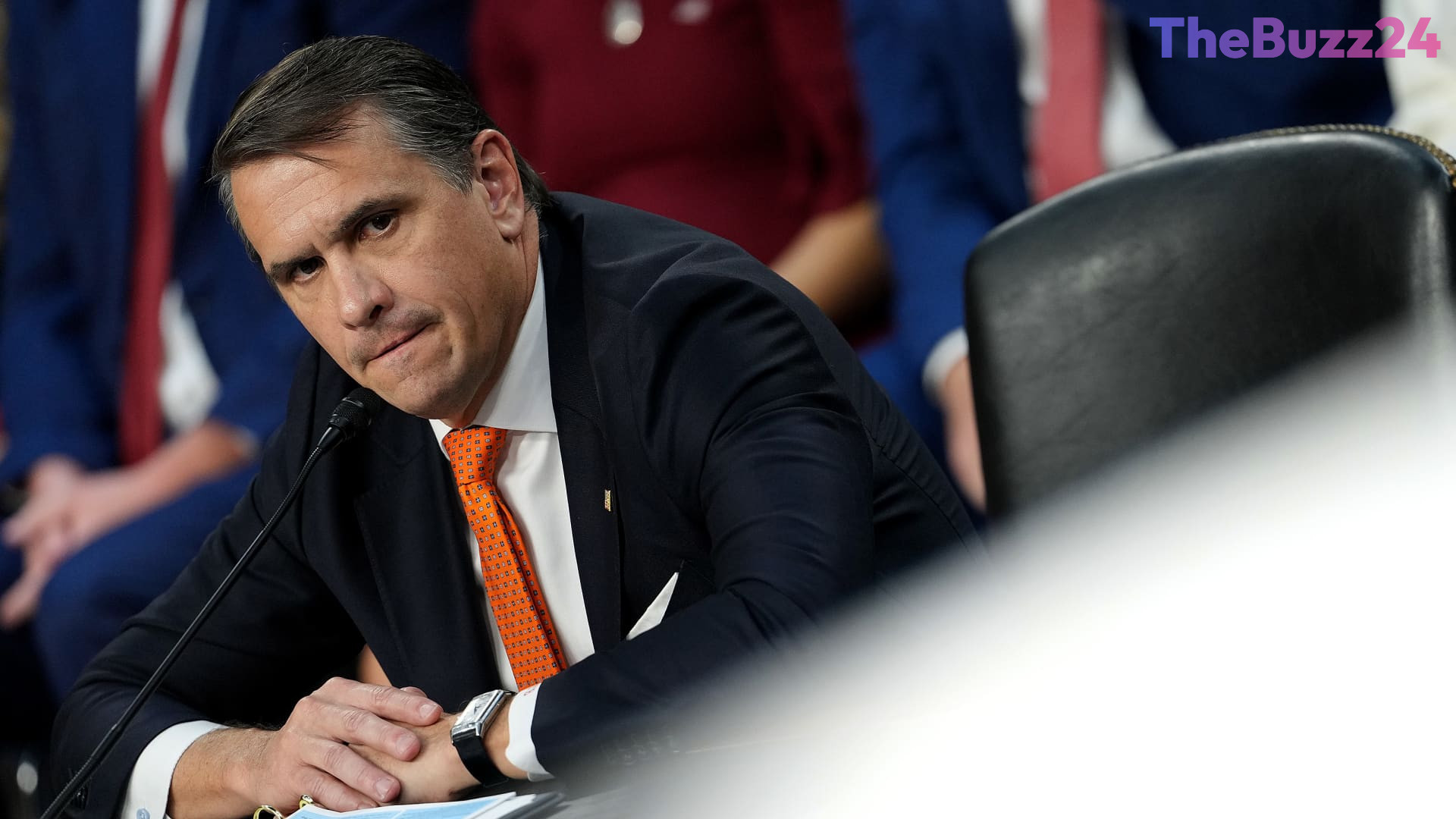
The nomination of Todd Blanche for U.S. Attorney General has encountered significant resistance within the Senate Judiciary Committee, as key Republican senators remain undecided on his confirmation. Senators John Cornyn and Thom Tillis have expressed reservations that could potentially stall the nomination process, preventing it from reaching a full Senate vote. The hesitation stems from lingering concerns regarding a controversial $1.8 billion Department of Justice fund, previously labeled an ‘Anti-Weaponization’ initiative, which critics fear could be revived despite assurances that it has been dismantled.
Senator Thom Tillis has explicitly tied his support to the nominee’s willingness to engage directly with survivors of the late sex offender Jeffrey Epstein. Following the senator’s public demand, Blanche arranged a meeting with a group of Epstein victims at the Department of Justice. This move comes amid intense scrutiny regarding Blanche’s previous leadership role, during which the DOJ released files that allegedly exposed the identities of numerous victims, drawing sharp criticism from survivors who have testified against his confirmation.
Beyond the concerns of victim advocacy, the debate over the $1.8 billion fund remains a primary point of contention. Senator Cornyn has repeatedly questioned the legal finality of the fund’s closure, noting that the settlement agreement governing the fund could theoretically be modified by the involved parties. While Blanche has maintained that the fund is defunct, skeptics in the Senate are demanding more concrete, written guarantees to ensure the initiative cannot be resurrected in the future. As the committee weighs these factors, the path forward for the nominee remains uncertain.
Key Takeaways
- Senators John Cornyn and Thom Tillis are currently undecided on Todd Blanche’s nomination, creating a potential bottleneck in the Senate Judiciary Committee.
- The confirmation process is being complicated by concerns over a $1.8 billion DOJ fund and the handling of sensitive victim information during Blanche's tenure.
- Blanche has initiated meetings with Epstein survivors in an effort to address criticisms regarding the exposure of victim identities in previous DOJ document releases.
Editor’s Analysis & Impact
The uncertainty surrounding Todd Blanche’s nomination highlights a growing friction between the executive branch and legislative oversight, particularly regarding the use of discretionary funds and institutional transparency. The focus on the ‘Anti-Weaponization’ fund suggests that the Senate is increasingly wary of executive actions that bypass traditional budgetary controls. Furthermore, the involvement of Epstein survivors in the confirmation process underscores a shift in political accountability, where nominees are now being held to higher standards of victim sensitivity and administrative conduct. If Blanche fails to secure the support of these key Republican senators, it could signal a broader trend of legislative pushback against executive appointments that are perceived as lacking sufficient safeguards against future policy reversals or ethical lapses.
Frequently Asked Questions
Q: Why are senators concerned about the $1.8 billion DOJ fund?
A: Senators are concerned that the fund, which was created as part of a lawsuit settlement, lacks sufficient legal finality and could be revived, potentially being used for purposes outside of standard oversight.
Q: What role do Epstein survivors play in the confirmation process?
A: Survivors have testified against Blanche, citing his role in the release of documents that identified victims. Senator Tillis has made a meeting between Blanche and these survivors a prerequisite for his consideration of the nomination.
AI Disclosure: This article is based on verified data and official reports. Our Team and AI have cross-referenced every financial detail with primary sources to ensure total accuracy.
More from this Category