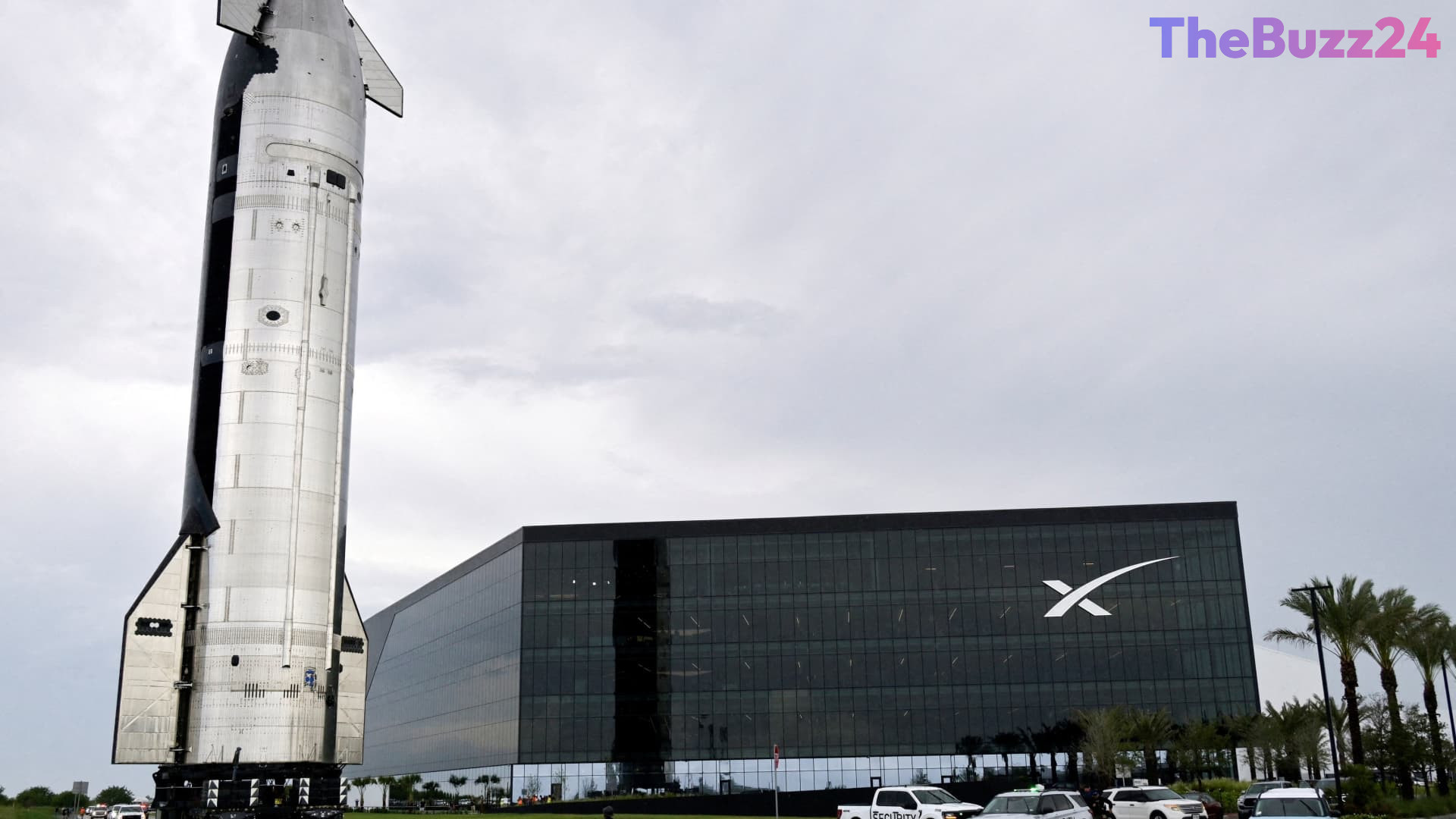
Starship Test Abort Sends SpaceX Shares Lower Amid Post-IPO Volatility
SpaceX experienced a setback with its Starship program on Thursday when a critical test flight was aborted at the last second due to an engine ignition failure. This incident immediately impacted the company’s stock, which saw a decline on Friday, extending a recent losing streak for the aerospace giant.
The highly anticipated launch of the Starship mega-rocket from Texas was scrubbed after an automatic system detected an issue with the engines. Billionaire founder Elon Musk confirmed on X that “some of the engines didn’t start,” necessitating the abort and the offloading of propellant. Musk later indicated that two Raptor engines would be replaced, with a subsequent launch attempt tentatively scheduled for early the following week.
Investors are closely monitoring SpaceX’s performance, particularly after its record-breaking initial public offering (IPO) in June, which raised an unprecedented $85.7 billion with shares priced at $135. Since its market debut, the company’s stock has experienced significant fluctuations. The recent abort contributed to shares falling approximately 4% on Friday, pushing them further below the IPO price and putting them on track for a sixth consecutive day of losses.
This was the first test flight of Starship V3 since the company’s blockbuster IPO. Previous attempts have also faced challenges, including a May test where the Starship upper stage veered towards the Indian Ocean and the Super Heavy booster failed to achieve a controlled landing after multiple Raptor engines malfunctioned. The U.S. Federal Aviation Administration (FAA) had investigated that mishap but recently cleared SpaceX to continue its test trials, underscoring the iterative and often challenging nature of advanced rocket development.
Key Takeaways
- SpaceX's Starship test flight was aborted due to an engine ignition failure, leading to a decline in the company's stock.
- Elon Musk confirmed the issue, stating two Raptor engines would be replaced, with a new launch attempt planned for early next week.
- The incident comes amidst heightened investor scrutiny following SpaceX's record-breaking June IPO, with shares experiencing volatility and a recent losing streak.
Editor’s Analysis & Impact
The recent Starship test abort, while a temporary setback, highlights the inherent risks and complexities in advanced aerospace development. For SpaceX, a company still in its early stages of public trading post-IPO, such events can trigger short-term stock volatility as investors react to operational challenges. However, the rapid identification of the issue and the swift announcement of corrective measures by Elon Musk demonstrate the company’s agile engineering approach.
Looking ahead, the successful execution of future Starship tests is paramount for maintaining investor confidence and validating SpaceX’s long-term vision for lunar and Martian missions. While delays are inevitable in this industry, consistent progress and transparent communication will be key to mitigating market anxieties and solidifying its leadership position against emerging competitors.
Frequently Asked Questions
Q: What caused the recent Starship test flight abort?
A: The test flight was aborted due to an engine ignition failure, as confirmed by Elon Musk, where some of the Raptor engines did not start as expected.
Q: How has SpaceX's stock reacted to the abort?
A: Following the abort, SpaceX's shares fell approximately 4% on Friday, dropping further below its IPO price of $135 and contributing to what was projected to be a six-day losing streak.
Q: What are SpaceX's next steps for the Starship program after this incident?
A: Elon Musk indicated that two Raptor engines would be removed and replaced, with the company planning another launch attempt for early next week.
AI Disclosure: This article is based on verified data and official reports. Our Team and AI have cross-referenced every financial detail with primary sources to ensure total accuracy.
More from this Category