Regional Tensions Surge as U.S.-Iran Conflict Spreads Across Middle East
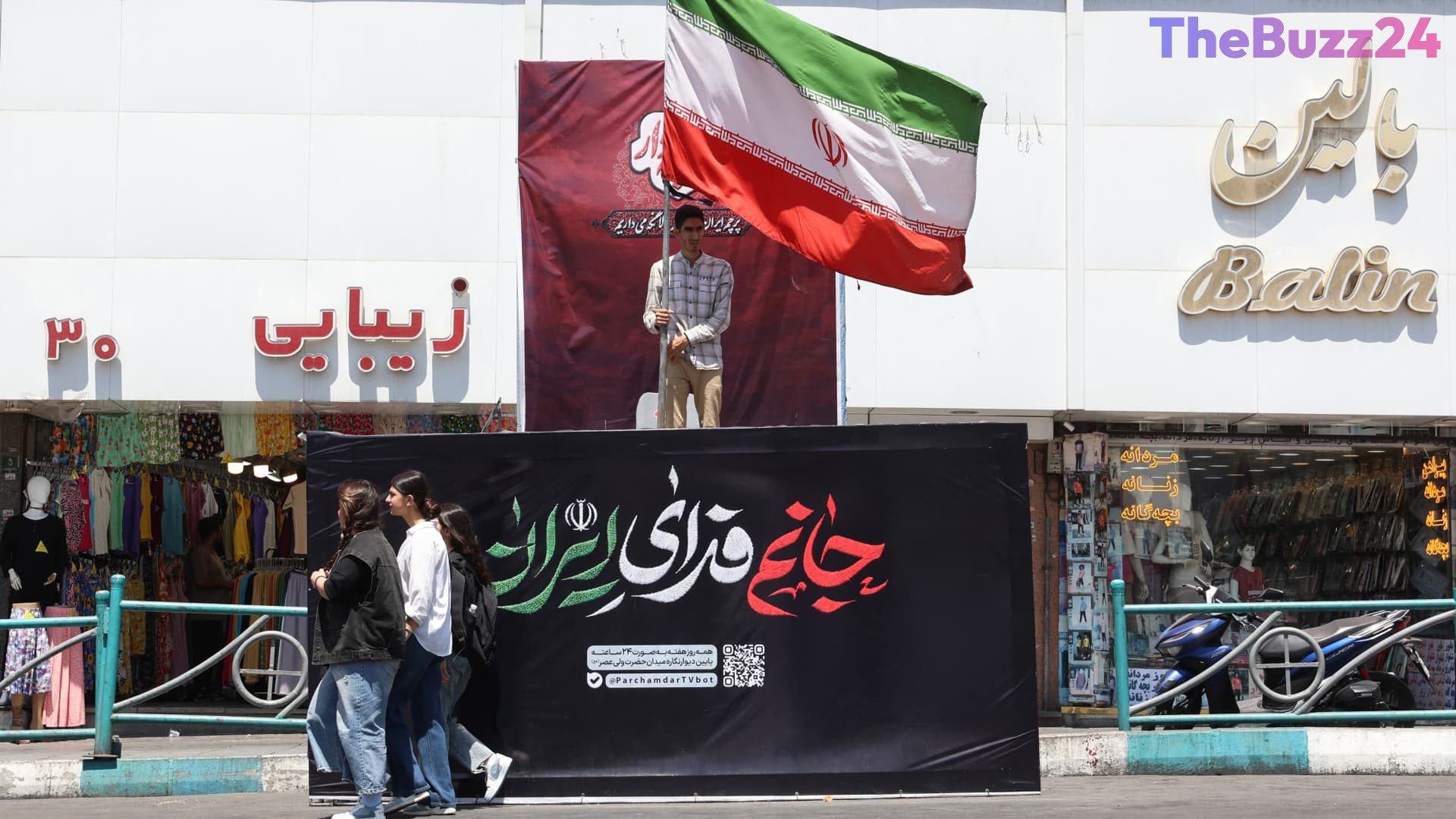
The conflict between the United States and Iran has entered a volatile new phase, with hostilities expanding beyond their borders to include strikes in Syria, Bahrain, and Kuwait. Following a sixth consecutive night of U.S. military operations targeting Iranian air defenses and logistics infrastructure, Iran has retaliated by launching attacks against U.S. military assets and regional infrastructure. The escalation marks a significant breakdown of the fragile truce established just last month, which was intended to stabilize the Strait of Hormuz.
Reports from Iranian state media allege that recent U.S. airstrikes have resulted in civilian casualties and damage to critical infrastructure, including transportation hubs and airports. Simultaneously, Iranian forces have claimed responsibility for strikes on a U.S. command center in Syria and have targeted facilities in Bahrain and Kuwait. Notably, a power and water desalination plant in Kuwait sustained significant damage, raising concerns about the impact on regional utility stability. Defense forces in Bahrain, Jordan, and Qatar reported intercepting incoming Iranian missiles, underscoring the widening geographic scope of the confrontation.
President Donald Trump has maintained an optimistic outlook regarding the campaign, publicly asserting that the U.S. is making significant progress and that the results of the military strategy will soon be evident. However, geopolitical analysts warn that the current trajectory risks trapping both nations in a protracted conflict. As military operations intensify, global energy markets have reacted sharply, with Brent crude and West Texas Intermediate futures both seeing substantial gains, reflecting investor anxiety over the potential for long-term supply chain disruptions in the region.
Key Takeaways
- The U.S.-Iran conflict has expanded into a regional crisis, with reported strikes occurring in Syria, Bahrain, and Kuwait.
- Critical civilian infrastructure, including a major water desalination plant in Kuwait, has been damaged during the exchange of fire.
- Global oil prices have surged by over 11% this week as markets react to the escalating instability in the Middle East.
Editor’s Analysis & Impact
The rapid expansion of the U.S.-Iran conflict represents a critical inflection point for global security and economic stability. By moving beyond direct bilateral strikes to involve regional allies like Kuwait and Bahrain, the conflict threatens to destabilize essential infrastructure and energy supply chains. The market’s immediate reaction—a sharp rise in crude oil prices—highlights the vulnerability of global trade to regional volatility. From a strategic perspective, the transition from a ‘cold’ to a ‘hot’ war suggests that diplomatic channels have largely collapsed. The long-term outlook remains grim; unless a new framework for de-escalation is established, the risk of a ‘forever war’ scenario increases, potentially forcing global powers to choose sides and further complicating the international geopolitical landscape.
Frequently Asked Questions
Q: Why are oil prices rising in response to the current conflict?
A: Oil prices are rising due to fears that the conflict could disrupt the flow of crude through the Strait of Hormuz and damage critical energy infrastructure in the Middle East, which is a primary source of global oil supply.
Q: What is the status of the recent truce between the U.S. and Iran?
A: The fragile truce, which was intended to reopen the Strait of Hormuz and halt hostilities, has effectively unraveled as both nations have resumed and expanded their military operations against one another.
AI Disclosure: This article is based on verified data and official reports. Our Team and AI have cross-referenced every financial detail with primary sources to ensure total accuracy.
More from this Category