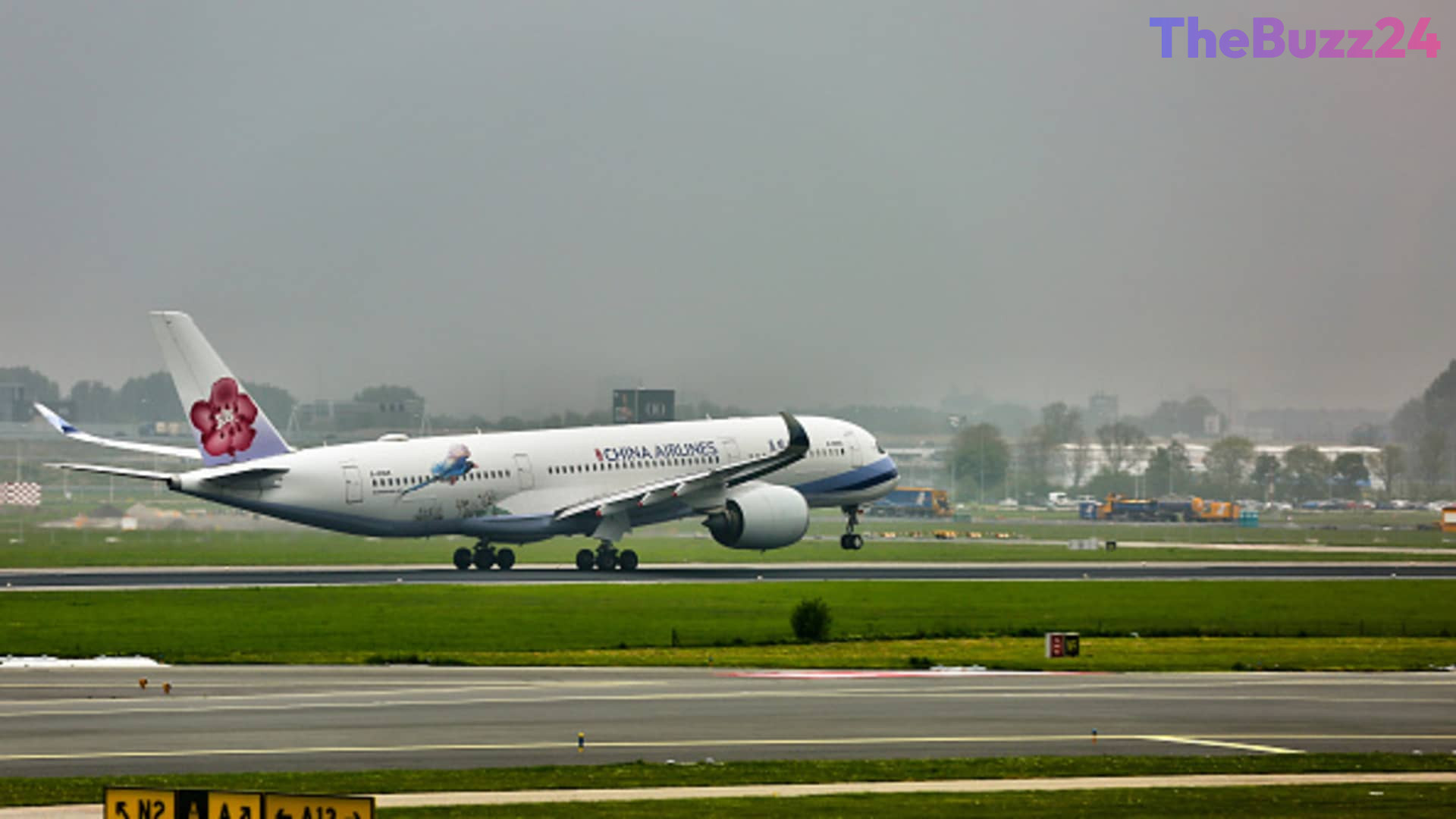
Air China and Shenzhen Airlines Secure Major Fleet Expansion with 55-Jet Airbus Order
Air China and its subsidiary, Shenzhen Airlines, have finalized a significant agreement to acquire 55 new aircraft from Airbus. The deal, which carries a combined list price of $12.4 billion, represents a strategic move by the Chinese flag carrier to modernize its fleet and bolster operational capacity as the aviation sector continues its post-pandemic recovery.
The procurement is divided between the two carriers, with Air China set to receive 15 A350-900 wide-body jets, while Shenzhen Airlines will add 40 narrow-body A320neo-family aircraft to its fleet. Deliveries for the A350s are scheduled to take place between 2030 and 2032, while the A320neo units are expected to arrive between 2029 and 2032.
While the headline figure reflects list prices, the airlines noted that the actual acquisition costs will be lower due to standard industry discounts provided by the manufacturer. The companies plan to finance these purchases through a combination of internal capital, commercial bank loans, and various other financial instruments. This investment is intended to optimize route networks and improve fuel efficiency, positioning the airlines to better compete in both domestic and international markets.
Key Takeaways
- Air China and Shenzhen Airlines are purchasing 55 Airbus jets for a total list price of $12.4 billion.
- The order includes 15 wide-body A350-900s and 40 narrow-body A320neo-family aircraft.
- Deliveries are staggered between 2029 and 2032 to support fleet modernization and operational efficiency.
Editor’s Analysis & Impact
This massive order underscores the aggressive fleet modernization strategy currently being pursued by major Chinese carriers. By securing long-term delivery slots for both wide-body and narrow-body aircraft, Air China is positioning itself to capture future growth in both international long-haul travel and domestic medium-haul demand. The move also highlights the ongoing competitive landscape between Airbus and Boeing in the Chinese market, with Airbus continuing to secure significant market share. From an economic perspective, the reliance on a mix of internal funding and commercial loans suggests a stable financial outlook for these carriers. As these fuel-efficient models enter service, the airlines will likely see a reduction in operational costs, providing a competitive edge in an industry where margins are heavily influenced by fuel prices and fleet maintenance efficiency.
Frequently Asked Questions
Q: Why are the actual transaction prices lower than the $12.4 billion list price?
A: It is standard practice in the aviation industry for manufacturers to offer significant discounts on large-scale aircraft orders, meaning the final purchase price is typically lower than the published list price.
Q: What is the primary goal of this aircraft acquisition?
A: The acquisition aims to modernize the airlines' fleets, optimize route networks, improve fuel efficiency, and increase overall operational capacity to meet rising travel demand.
AI Disclosure: This article is based on verified data and official reports. Our Team and AI have cross-referenced every financial detail with primary sources to ensure total accuracy.
More from this Category