Boeing CEO Prioritizes Financial Stability Over New Aircraft Development
Boeing CEO Kelly Ortberg has indicated that the aerospace giant will require at least two more years to stabilize its financial position before committing to the development of a new commercial jet. This strategic shift emphasizes a focus on internal recovery and operational reliability rather than rushing to replace the company’s existing narrow-body lineup.
According to Ortberg, the decision to delay new aircraft programs is driven by feedback from airline customers who are urging the manufacturer to prioritize the production quality and consistency of current models. The company is currently navigating a recovery phase following a series of high-profile manufacturing challenges and safety concerns that have impacted its reputation and bottom line over the past year.
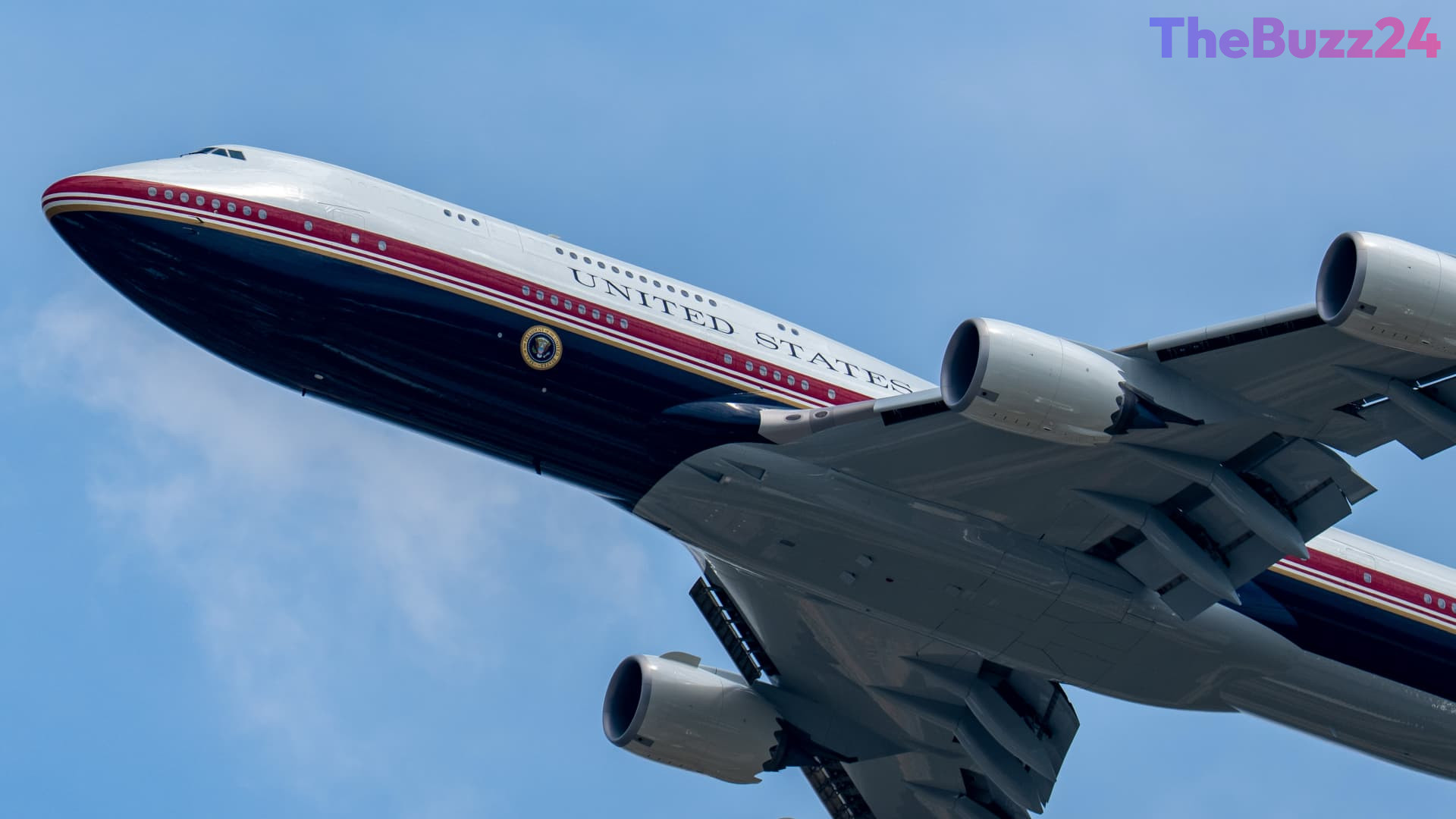
Beyond financial health, Ortberg noted that any future aircraft program must be supported by mature technology and clear market demand. While a new jet is eventually necessary to remain competitive against the Airbus A320 family, Boeing is currently focused on clearing internal hurdles. Meanwhile, the company is also dedicating additional resources and personnel to the VC-25B program, commonly known as Air Force One, in an effort to meet its revised 2028 delivery schedule.
Key Takeaways
- Boeing is delaying the launch of a new commercial jet for at least two years to focus on financial recovery and production stability.
- Airline customers have explicitly requested that Boeing prioritize the reliability of its current aircraft lineup over new model development.
- The company is increasing engineering and production staff to ensure the next-generation Air Force One project meets its 2028 delivery deadline.
Editor’s Analysis & Impact
Boeing’s decision to pause new aircraft development reflects a pragmatic, albeit difficult, pivot toward operational excellence. By prioritizing the stabilization of its existing supply chain and manufacturing processes, the company is attempting to rebuild trust with both regulators and airline operators. This ‘back to basics’ approach is essential for long-term viability, especially as Airbus continues to dominate the narrow-body market. However, the delay creates a strategic vulnerability; as Airbus eyes a 2030 timeline for its next-generation aircraft, Boeing risks falling further behind in technological innovation. The success of this strategy hinges on whether the company can resolve its quality control issues quickly enough to regain market share before the competitive gap becomes insurmountable. Investors will likely view this conservative timeline as a necessary sacrifice for long-term structural health.
Frequently Asked Questions
Q: Why is Boeing delaying the development of a new commercial jet?
A: Boeing is prioritizing the repair of its financial health and the improvement of production reliability for its current aircraft lineup, as requested by its airline customers.
Q: What is the current status of the Air Force One project?
A: The VC-25B program, which has faced significant delays, is now being supported by increased engineering and production staff to ensure a delivery target of 2028.
AI Disclosure: This article is based on verified data and official reports. Our Team and AI have cross-referenced every financial detail with primary sources to ensure total accuracy.
More from this Category