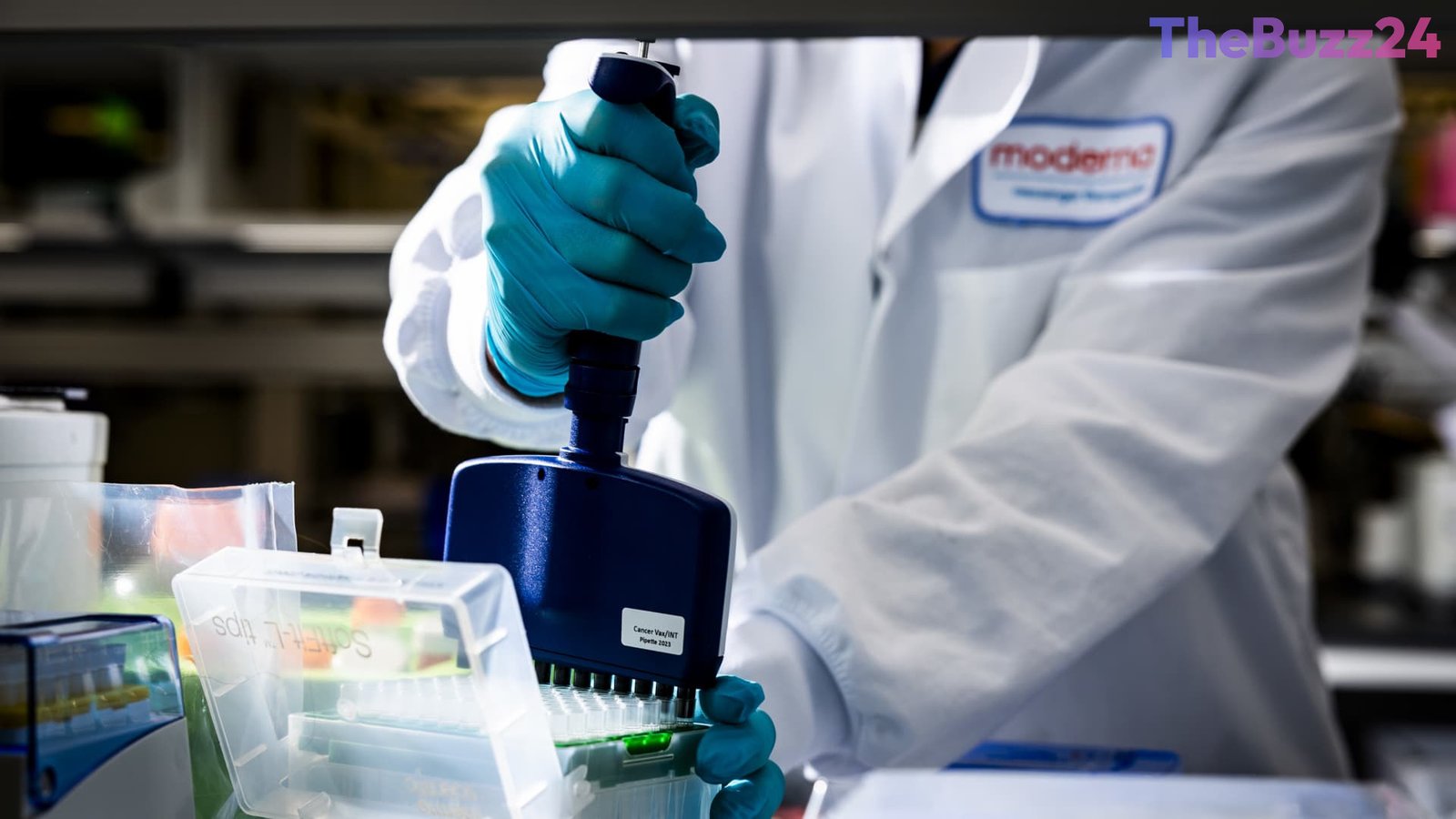
The Biotech Renaissance: How Innovation and AI Are Driving a New Market Boom
The biotechnology sector is currently experiencing a significant resurgence, characterized by robust stock performance and a wave of groundbreaking clinical advancements. After a period of stagnation following the initial pandemic-era surge, the industry has found new momentum. Major indices, such as the iShares Biotechnology ETF, have posted substantial double-digit gains throughout 2025, signaling a renewed investor appetite for companies pushing the boundaries of modern medicine.
This growth is largely attributed to a convergence of sophisticated technologies, including mRNA, genomics, and the integration of artificial intelligence in drug discovery. Companies are now better equipped to understand disease biology, leading to a more efficient pipeline of novel treatments. From personalized cancer vaccines to next-generation obesity medications, the industry is successfully moving beyond traditional drug-making methods. Furthermore, the sector is benefiting from a steady stream of FDA approvals and a high volume of mergers and acquisitions as larger pharmaceutical firms seek to bolster their pipelines against looming patent expirations.
While the industry remains inherently risky due to the long development cycles and high failure rates of experimental drugs, the current outlook is increasingly optimistic. The application of AI is particularly transformative, allowing researchers to build predictive models that accelerate the path from discovery to clinical trials. As companies like Moderna, Eli Lilly, and various small-cap innovators continue to report positive trial data, the biotech sector is positioning itself as a cornerstone of long-term healthcare investment, driven by the promise of precision medicine and more effective, patient-friendly therapies.
Key Takeaways
- The biotech sector is undergoing a powerful innovation cycle fueled by advancements in mRNA, genomics, and AI-driven drug discovery.
- Major pharmaceutical companies are aggressively pursuing M&A activity to replenish their pipelines as they face significant patent expirations by 2030.
- While the sector remains volatile, the integration of AI is reducing capital requirements for drug development and increasing the success rate of novel therapies.
Editor’s Analysis & Impact
The current biotech rally represents a fundamental shift in how the industry operates. By moving away from the ‘fallow period’ that followed the pandemic, the sector has matured into an era of precision and efficiency. The integration of AI is not merely a buzzword; it is a structural change that lowers the barrier to entry for drug discovery and reduces the time-to-market for complex treatments. Looking ahead, the ‘patent cliff’ facing Big Pharma will likely sustain high levels of M&A activity, providing a floor for valuations. Investors should remain cautious of the inherent binary risks associated with clinical trials, but the broader trend suggests that biotech is transitioning from a speculative growth sector to a critical pillar of the global healthcare economy.
Frequently Asked Questions
Q: Why is AI considered a game-changer for the biotech industry?
A: AI allows researchers to create predictive models that can identify promising drug candidates much faster than traditional methods, significantly reducing the time and capital required to reach clinical trials.
Q: What is the 'patent cliff' and how does it affect biotech stocks?
A: The patent cliff refers to a period where many blockbuster drugs lose their patent exclusivity, allowing for cheaper generic or biosimilar competition. This forces large pharmaceutical companies to acquire smaller, innovative biotech firms to maintain their revenue growth.
AI Disclosure: This article is based on verified data and official reports. Our Team and AI have cross-referenced every financial detail with primary sources to ensure total accuracy.
More from this Category