Climate Volatility: Why Commodity Markets Are Bracing for a Weather-Driven Shock
Global commodity markets are facing a period of heightened uncertainty as analysts warn that current pricing models may be failing to account for the structural impact of extreme weather. With Europe enduring persistent heatwaves and meteorologists predicting a potentially powerful El Niño event, the stability of global supply chains for food and energy is under significant pressure. Experts suggest that the market is currently underestimating the long-term volatility associated with these climate shifts, which are increasingly moving from cyclical occurrences to permanent structural challenges.
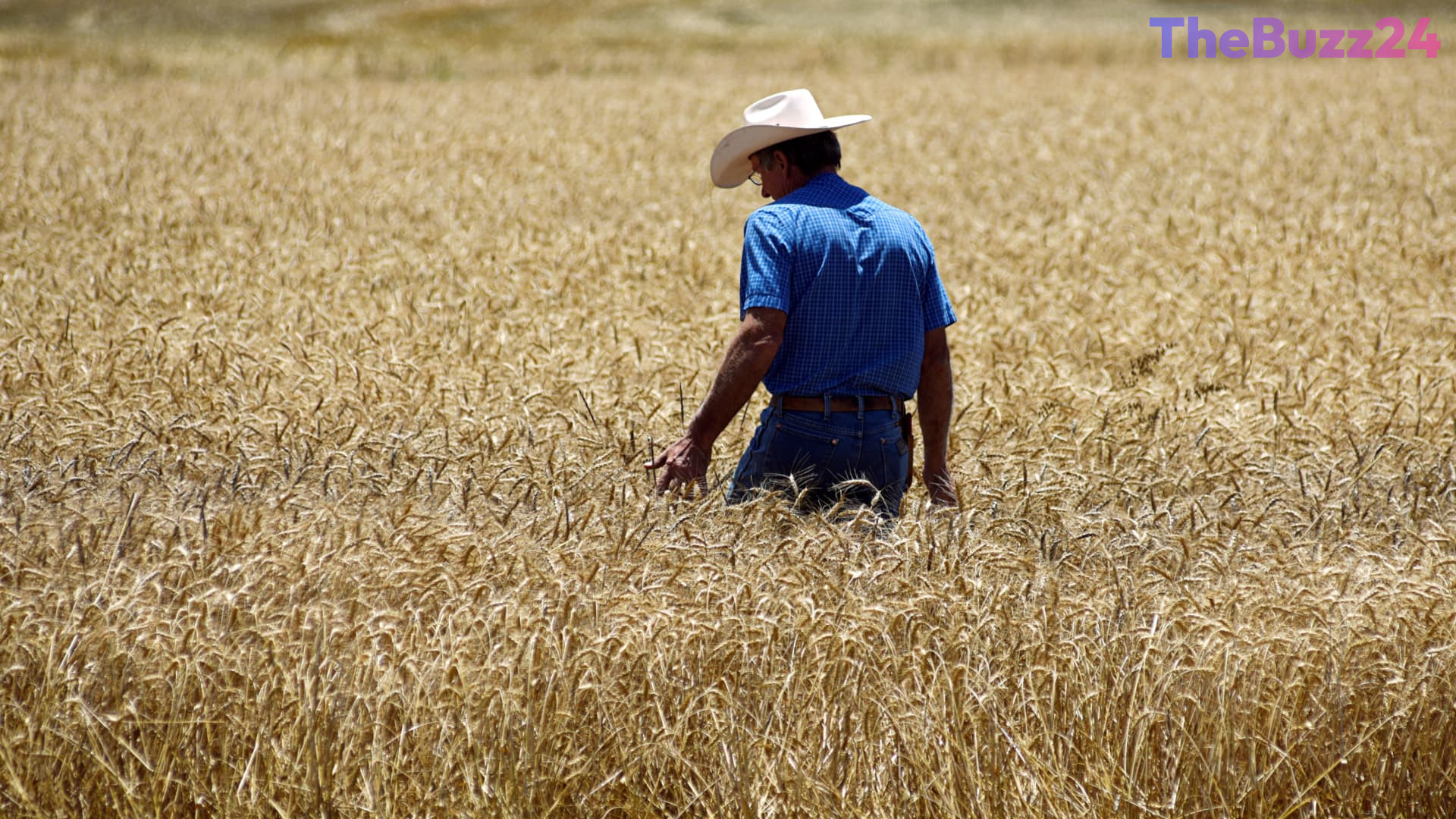
The agricultural sector is widely considered the most vulnerable to these environmental changes. Crops such as coffee, cocoa, wheat, and corn are highly sensitive to temperature fluctuations during critical growth phases like pollination and flowering. Recent data indicates that agricultural commodity prices have already begun to climb, with some staples seeing significant weekly gains. Projections suggest that if the anticipated El Niño intensifies, crop yields could drop by as much as 12% in affected regions, potentially pushing food inflation into double digits within the next few years.
Beyond agriculture, the energy and industrial metals sectors are also navigating complex risks. While a warmer winter could theoretically lower demand for natural gas, the production of essential metals like copper and aluminum faces its own set of hurdles. Copper extraction is heavily dependent on water availability, while aluminum smelting requires vast amounts of electricity. As global demand for power increases due to cooling needs and the expansion of energy-intensive technologies, the competition for scarce water and power resources is expected to intensify, further complicating the commodity landscape.
Investment strategists are now urging a shift in how climate risk is integrated into asset valuation. Treating these weather events as isolated incidents is increasingly viewed as a dangerous oversight. As the world faces an arc of recurring climate shocks, the ability to predict and hedge against these environmental variables will likely become a defining factor in the performance of commodity-linked investments and global food security.
Key Takeaways
- Agricultural yields for staples like corn, coffee, and cocoa are at risk of significant declines due to heat stress and drought caused by El Niño.
- Commodity markets are currently underpricing climate volatility, treating structural environmental shifts as temporary, isolated events.
- Industrial metals production, particularly copper and aluminum, faces supply constraints due to increased competition for water and electricity resources.
Editor’s Analysis & Impact
The intersection of climate change and commodity pricing represents a fundamental shift in global economic risk management. For decades, markets have relied on historical weather patterns to forecast supply and demand; however, the emergence of ‘super’ weather events renders these models increasingly obsolete. The transition from cyclical weather patterns to structural climate instability means that price spikes in food and energy may become more frequent and severe. Investors must now account for ‘climate alpha’—the ability to navigate resource scarcity driven by environmental degradation. Looking ahead, we expect a decoupling of commodity prices from traditional macroeconomic indicators, with weather-resilience becoming a primary driver of valuation. Companies that fail to secure sustainable supply chains or adapt to energy-water competition will likely face significant margin compression, while those investing in climate-resilient infrastructure may gain a distinct competitive advantage.
Frequently Asked Questions
Q: Why is El Niño considered a threat to commodity prices?
A: El Niño raises sea surface temperatures, leading to extreme weather patterns like droughts and heavy rainfall. These conditions disrupt crop growth cycles, reduce yields, and increase production costs for energy-intensive metals, all of which drive up market prices.
Q: How does climate change affect the production of metals like copper and aluminum?
A: Copper production is highly water-intensive, making it vulnerable to drought. Aluminum production relies heavily on electricity; as power becomes more expensive or scarce due to cooling demands and environmental factors, the cost of smelting rises significantly.
AI Disclosure: This article is based on verified data and official reports. Our Team and AI have cross-referenced every financial detail with primary sources to ensure total accuracy.
More from this Category