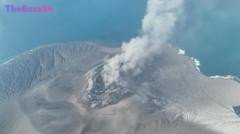
Anak Krakatau Eruption Halts Flights, Stranding Over 340,000 Passengers in Indonesia
A significant eruption from the Anak Krakatau volcano has caused widespread travel chaos across Indonesia, leaving an estimated 340,000 passengers stranded and disrupting nearly 3,000 flights. The volcano, situated approximately 150 kilometers from the capital Jakarta, began its activity late Friday, spewing lava fountains and volcanic ash that reached the capital and the Lampung province. The seismic activity continued throughout the weekend, prompting extended airport closures.
Jakarta’s Soekarno-Hatta International Airport, the nation’s busiest, announced it would not reopen as initially planned due to the persistent volcanic ash cloud. Flights are now expected to resume no earlier than Monday evening. Halim Perdanakusuma, a secondary airport handling both civilian and military traffic, will also remain closed until this time. The prolonged disruption has led to long queues at Soekarno-Hatta, with passengers desperately seeking refunds and information on rescheduled flights.
Travelers recounted scenes of confusion and frustration as flights were repeatedly postponed. Many passengers, like Finna, who was trying to return to Jakarta from East Java, found themselves caught in a cycle of uncertainty, with airport information screens becoming the focal point of attention. Some, unwilling to wait, resorted to alternative, lengthy travel arrangements, such as intercity trains, to reach their destinations.
International visitors have also been significantly impacted. A Malaysian couple on honeymoon in Bali faced an unexpected extension of their trip, with their next available flight not until September 11. They expressed concern over their limited funds and the unexpected need to extend their stay for several days. Authorities have warned that the volcano’s activity remains high, with ash plumes reaching altitudes of up to 15,000 meters. While no tsunami warning has been issued, a 3-kilometer exclusion zone around the crater has been established, and maritime traffic in the Sunda Strait has been restricted.
Key Takeaways
- Anak Krakatau volcano eruption has caused widespread flight disruptions in Indonesia, stranding over 340,000 passengers.
- Major airports, including Jakarta's Soekarno-Hatta International, have extended closures due to volcanic ash, impacting nearly 3,000 flights.
- The volcano's continued activity poses a high risk of further eruptions, with authorities establishing an exclusion zone and monitoring ash plumes.
Editor’s Analysis & Impact
The eruption of Anak Krakatau highlights the significant vulnerability of Indonesia’s extensive air travel network to natural disasters. The prolonged closure of major airports not only causes immediate disruption and financial strain for tens of thousands of travelers but also impacts tourism and business operations. The event underscores the need for robust contingency planning and real-time monitoring systems for volcanic activity in regions prone to such geological events. The economic ripple effects, from lost tourism revenue to the costs associated with flight cancellations and rebookings, are substantial. As the volcano remains active, the outlook suggests continued uncertainty for air travel in the affected region, potentially requiring longer-term adjustments to flight schedules and passenger expectations.
Frequently Asked Questions
Q: What caused the flight disruptions in Indonesia?
A: The flight disruptions were caused by the eruption of the Anak Krakatau volcano, which released significant amounts of volcanic ash into the airspace, making it unsafe for aircraft.
Q: How long are the airports expected to be closed?
A: Major airports, including Jakarta's Soekarno-Hatta International, have extended their closures, with flights expected to resume no earlier than Monday evening. However, the duration is subject to the ongoing volcanic activity and ash dispersal.
Q: Is there a risk of a tsunami?
A: Authorities have confirmed that there is no tsunami warning linked to the recent activity of Anak Krakatau. However, a 3-kilometer exclusion zone around the active crater has been put in place for safety.
AI Disclosure: This article is based on verified data and official reports. Our Team and AI have cross-referenced every financial detail with primary sources to ensure total accuracy.
More from this Category