Volcanic Eruption Triggers Major Aviation Chaos Across Southeast Asia
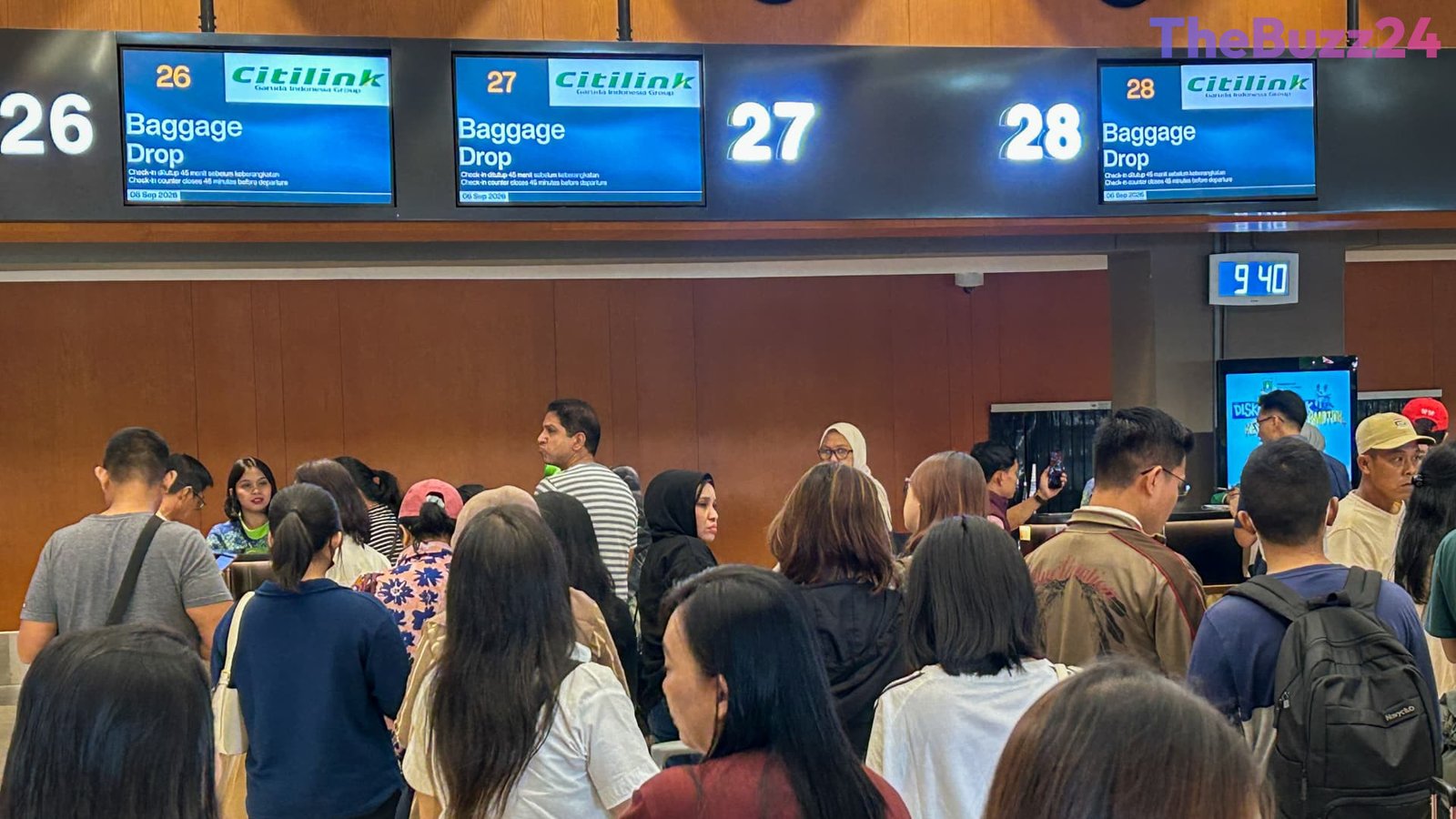
A significant volcanic eruption from Mount Anak Krakatau has caused widespread travel disruption across Southeast Asia, forcing the temporary closure of Jakarta’s Soekarno-Hatta International Airport. The eruption, which began late Friday and persisted for over 24 hours, sent plumes of volcanic ash into the atmosphere, creating hazardous conditions for aviation that grounded hundreds of flights throughout the weekend and into Monday.
As of Sunday morning, officials reported that at least 373 flights were impacted by the ash cloud, with more than 200 of those disruptions occurring at Soekarno-Hatta, the region’s second-busiest aviation hub. Major carriers, including Singapore Airlines and its budget subsidiary Scoot, were forced to cancel numerous routes connecting Singapore and Jakarta as safety protocols were enacted to protect aircraft from the abrasive and potentially damaging volcanic debris.
Meteorological data indicated that ash reached altitudes of up to 50,000 feet, spreading across Jakarta and extending toward the Indian Ocean. While the continuous phase of the eruption has subsided, Indonesian authorities have maintained a Level III ‘Alert’ status. A three-kilometer exclusion zone remains in effect around the volcano, as experts warn that the potential for further activity, including lava flows and heavy ashfall, remains high in the coming days.
Key Takeaways
- Mount Anak Krakatau's 25-hour eruption caused the cancellation of hundreds of flights, significantly impacting operations at Jakarta's Soekarno-Hatta International Airport.
- Volcanic ash reached altitudes of 50,000 feet, forcing major regional airlines to ground services due to safety concerns.
- Authorities have maintained a Level III alert status and a 3-kilometer exclusion zone, warning that further volcanic activity remains a distinct possibility.
Editor’s Analysis & Impact
The disruption caused by Mount Anak Krakatau highlights the extreme vulnerability of modern aviation infrastructure to geological events. Because volcanic ash can cause catastrophic engine failure and damage flight control systems, even minor eruptions can lead to massive logistical bottlenecks that ripple through international travel networks. From a market perspective, these events underscore the necessity for airlines to maintain robust contingency planning and flexible rebooking policies. As climate and geological monitoring technology improves, the industry is becoming better at predicting these hazards; however, the economic impact remains significant. Future outlooks suggest that as air traffic density increases in Southeast Asia, airports will need to invest in more advanced ash-detection systems and regional coordination protocols to minimize the duration of groundings during future volcanic episodes.
Frequently Asked Questions
Q: Why is volcanic ash dangerous for airplanes?
A: Volcanic ash is composed of tiny, jagged particles of rock and glass that can melt inside jet engines, causing them to stall or fail. It can also clog cooling systems and damage cockpit windows and sensors.
Q: Is it safe to travel to Jakarta now?
A: While the continuous eruption has ended, the volcano remains at an 'Alert' level. Travelers should check with their specific airline for the latest flight status and monitor local government advisories for updates on air quality and safety.
AI Disclosure: This article is based on verified data and official reports. Our Team and AI have cross-referenced every financial detail with primary sources to ensure total accuracy.
More from this Category