Canva Enters the AI Art Race with Proprietary Image Generation Model ‘Canva Craft’
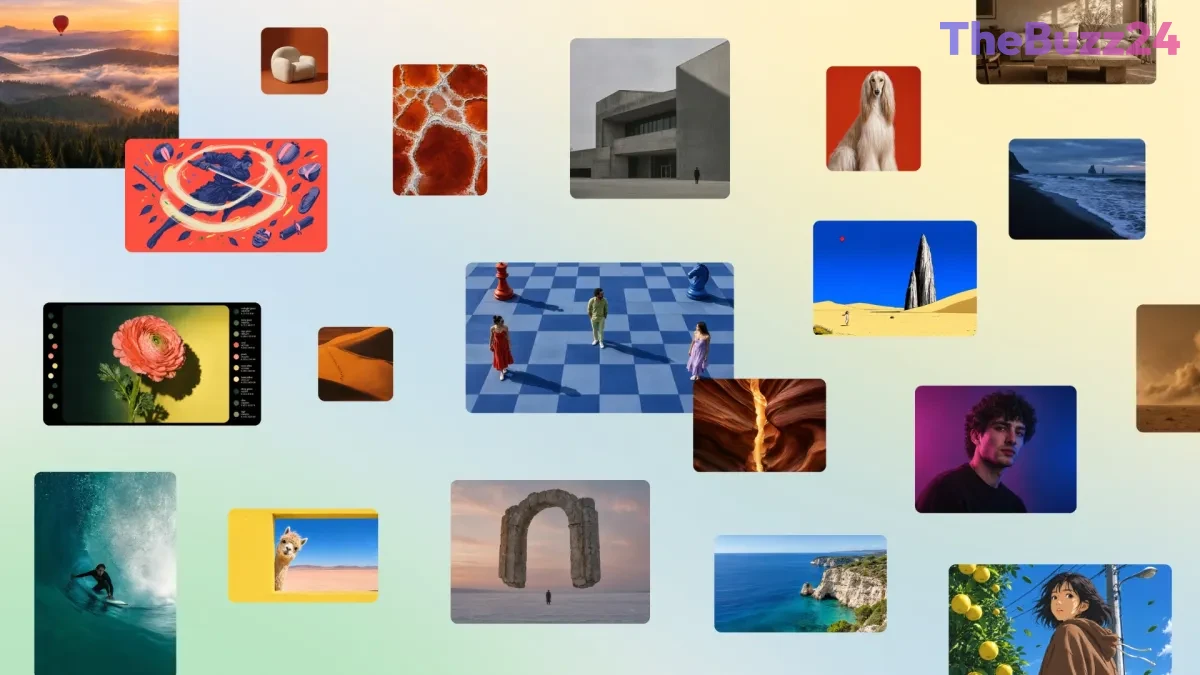
Popular visual design platform Canva has officially launched its very first proprietary image generation model, named Canva Craft. Built entirely by the company’s dedicated research team—with contributions from recent acquisition Leonardo.ai—the new tool is designed to go head-to-head with competing generative models from major tech giants like Google, OpenAI, ByteDance, and Meta.
Canva Craft utilizes an innovative two-stage generation process to maximize precision and usability. During the initial phase, the model interprets user prompts to meticulously map out spatial relationships, element scale, and visual hierarchy. In the second phase, it produces high-definition images up to 2K resolution across 30 distinct aspect ratios tailored for various digital platforms. This architecture enables the creation of sharp details and legible text, while also allowing users to execute targeted edits without inadvertently altering the rest of the visual composition.
Unlike traditional AI models trained primarily on raw photographs, Canva Craft was trained using professionally crafted human designs sourced from Canva’s extensive library, including posters, infographics, and typography-heavy layouts. This design-first approach enables seamless integration with Canva Magic, allowing generated assets to be instantly converted into fully editable, layered designs. Furthermore, the model is now available to all users via the Dream Lab tab and will soon roll out to third-party integrations like ChatGPT and Gemini.
By developing its own native technology, Canva aims to reduce reliance on external APIs and lower long-term operational costs while gaining tighter control over output quality and rendering speed. As the company continues to refine its ecosystem, it plans to introduce two additional, highly optimized variants—Craftfast and Craft-ultrafast—in the near future to further expand its generative AI capabilities.
Key Takeaways
- Canva has launched its first proprietary image generation model, Canva Craft, to compete with tech giants like Google and OpenAI.
- The model is trained on professional human designs rather than photographs, enabling legible text and precise localized editing.
- Generated assets can be instantly transformed into layered files, with upcoming plans for third-party chatbot integrations.
Editor’s Analysis & Impact
The introduction of Canva Craft represents a pivotal strategic maturation for Canva as it transitions from a software aggregator to a foundational AI technology provider. By weaning itself off third-party image generation APIs, Canva is not only optimizing its unit economics and operating margins but also locking users deeper into its proprietary ecosystem. Training the model on layout-rich human designs rather than stock photography directly addresses the historical weakness of AI art generators: text rendering and structural composition. Looking ahead, this proprietary stack positions Canva uniquely in the enterprise and creator markets, allowing it to offer end-to-end design workflows that general-purpose AI models cannot easily replicate. However, the company must successfully balance these heavy technological investments with broader macroeconomic headwinds and fluctuating market valuations.
Frequently Asked Questions
Q: What is Canva Craft?
A: Canva Craft is Canva's first proprietary image generation model developed by its in-house research team and Leonardo.ai researchers to create detailed images and legible text from user prompts.
Q: How is Canva Craft different from other AI image generators?
A: Unlike many models trained primarily on photographs, Canva Craft was trained using human-designed templates from Canva's library, allowing it to handle typography and layout structures more effectively.
Q: Where can users access Canva Craft?
A: All Canva users can access the new model directly through the platform's Dream Lab tab, and the model will soon be integrated into third-party chatbots via APIs.
AI Disclosure: This article is based on verified data and official reports. Our Team and AI have cross-referenced every financial detail with primary sources to ensure total accuracy.
More from this Category