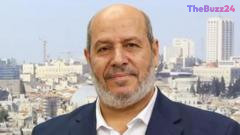
Hamas Appoints Khalil al-Hayya as New Political Bureau Chief
Hamas has officially appointed Khalil al-Hayya as its new overall leader, marking a significant transition for the organization as it navigates the aftermath of the prolonged conflict in Gaza. Al-Hayya, who previously managed the group’s operations in Gaza from exile, is widely regarded as a hardline figure who maintains close ideological ties to the movement’s former leadership. His elevation to the top position follows a contentious internal election process that highlighted deep strategic divisions within the group’s ranks.
As the primary negotiator for Hamas in indirect ceasefire discussions held in Egypt and Qatar, al-Hayya has long been a central figure in the group’s diplomatic efforts. His path to leadership was solidified after a two-round electoral process, where he ultimately surpassed former political bureau chief Khaled Meshaal. The election underscored a shift in power toward those who have remained directly involved in the Gaza conflict, rather than the more traditional, long-standing leadership based abroad.
The organization currently faces one of the most precarious periods in its history, with much of its infrastructure dismantled and its senior leadership significantly depleted by ongoing military operations. Supporters of al-Hayya argue that the movement must remain steadfast in its refusal to disarm without clear, guaranteed paths toward Palestinian statehood. This stance contrasts with more pragmatic factions within the group that have suggested a potential pivot away from armed confrontation in favor of political restructuring.
Despite facing repeated attempts on his life, including an air strike in Doha in September 2025 that resulted in the deaths of several associates and family members, al-Hayya has maintained his influence. As he steps into this new role, the international community remains focused on whether his leadership will signal a continuation of the current stalemate or a shift in the group’s approach to the ongoing regional crisis.
Key Takeaways
- Khalil al-Hayya has been elected as the new leader of Hamas following a two-round internal vote.
- The election reflects a strategic divide between hardliners favoring continued resistance and those advocating for a more pragmatic political approach.
- Hamas continues to reject disarmament demands, insisting on guaranteed political paths to statehood as a prerequisite for any long-term resolution.
Editor’s Analysis & Impact
The appointment of Khalil al-Hayya signals that Hamas is doubling down on its hardline stance rather than pivoting toward the pragmatic diplomacy advocated by figures like Khaled Meshaal. By choosing a leader deeply embedded in the Gaza conflict, the organization is signaling to its base and its adversaries that it intends to maintain its core ideological objectives despite severe military and structural degradation. From a geopolitical perspective, this transition likely complicates future ceasefire negotiations, as al-Hayya has historically been a staunch proponent of linking disarmament to explicit political concessions. The broader implication is a prolonged period of instability, as the group attempts to reorganize under intense external pressure while resisting international demands for demilitarization. The future outlook suggests that the conflict will remain deadlocked, with little room for diplomatic breakthroughs in the near term.
Frequently Asked Questions
Q: Who is Khalil al-Hayya?
A: Khalil al-Hayya is the newly elected leader of Hamas's political bureau, known for his role as the group's chief negotiator in ceasefire talks and his hardline stance on the conflict with Israel.
Q: Why was the Hamas leadership election significant?
A: The election was significant because it exposed a strategic divide between those who want to continue the current path of armed resistance and those who believe the group should adopt a more pragmatic political strategy to survive the aftermath of the Gaza war.
AI Disclosure: This article is based on verified data and official reports. Our Team and AI have cross-referenced every financial detail with primary sources to ensure total accuracy.
More from this Category