How Ukrainian Drone Warfare Crippled Russia’s Diesel Dominance and Upended Global Energy Markets
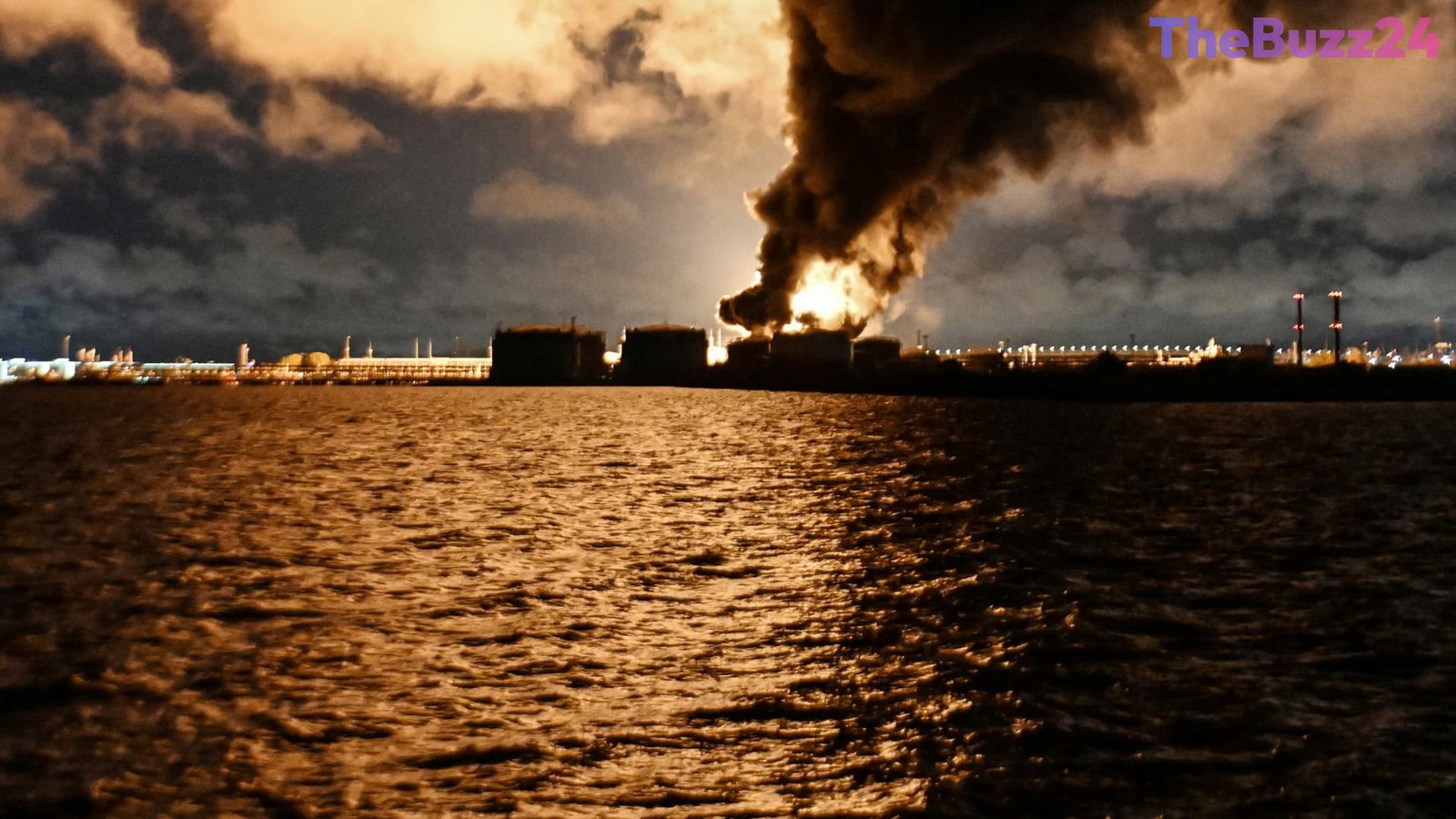
A sweeping campaign of long-range Ukrainian drone strikes has severely disrupted Russia’s oil refining sector, effectively dismantling the capabilities of the world’s second-largest diesel exporter. Deploying coordinated swarms of hundreds of unmanned aerial vehicles, Kyiv has shifted its tactical focus toward deeply embedded infrastructure and technologically complex refinery units that are exceptionally difficult to repair or replace under international sanctions.
The escalation in attacks has triggered a dramatic plunge in Russian fuel shipments, with export volumes dropping by more than 75% compared to the previous year. This compounding deficit has sent global diesel prices soaring, placing immense pressure on domestic economies already strained by parallel conflicts and shipping disruptions in the Middle East. Despite diplomatic efforts to broker regional energy truces aimed at stabilizing fuel supplies, ongoing hostilities and strategic targeting of secondary refining equipment have kept global markets heavily constrained.
Energy analysts warn that the structural damage inflicted upon critical processing facilities ensures that supply shortages will persist for the foreseeable future. With alternative replacement parts requiring months of procurement through complex international channels, Russia’s ability to restore previous production levels remains severely hampered. As refiners worldwide operate at maximum capacity to bridge the widening supply gap, consumers face prolonged periods of elevated fuel costs while the geopolitical landscape of global energy trade continues to shift.
Key Takeaways
- Ukrainian drone strikes have reduced Russia's diesel exports by over 75%, severely impacting the world's second-largest supplier.
- Kyiv has strategically targeted complex, hard-to-replace refinery equipment, bypassing simple fuel tanks to cause long-term operational damage.
- Global diesel prices have surged significantly due to simultaneous supply disruptions stemming from conflicts in Eastern Europe and the Middle East.
Editor’s Analysis & Impact
The systematic targeting of complex refining infrastructure by Ukraine marks a fundamental shift in modern resource warfare, proving that asymmetric drone tactics can successfully neutralize a major geopolitical energy superpower. By focusing on secondary processing units rather than easily patchable storage tanks, the strikes have created prolonged bottlenecks that transcend temporary ceasefires. This disruption, compounded by maritime conflicts in the Middle East, has exposed the extreme fragility of global fuel supply chains. In the broader economic outlook, energy markets must price in a permanent risk premium for refined products well into the future, as neither U.S. domestic capacity nor alternative international suppliers can rapidly fill a million-barrel-per-day deficit. Consequently, energy inflation will likely remain a persistent macroeconomic headwind, influencing political landscapes and compelling governments to rethink strategic fuel reserves and energy security protocols.
Frequently Asked Questions
Q: Why are Ukrainian drone strikes so effective against Russian refineries?
A: Ukraine has scaled up its operations to deploy hundreds of drones simultaneously and has learned to target complex secondary refining equipment. Because this specialized machinery requires extensive procurement processes and faces international sanctions, it is extremely difficult for Russia to replace quickly.
Q: How have the strikes impacted global diesel prices?
A: The reduction in Russian diesel exports—coupled with separate supply disruptions in the Middle East—has slashed global diesel supplies by roughly one million barrels per day. This substantial shortfall has pushed fuel prices up significantly worldwide.
Q: Can other global refiners make up for the lost Russian diesel?
A: U.S. and international refiners are already operating at maximum capacity to help close the gap, but they cannot fully compensate for the massive deficit caused by lost refining capacity in both Russia and the Middle East.
AI Disclosure: This article is based on verified data and official reports. Our Team and AI have cross-referenced every financial detail with primary sources to ensure total accuracy.
More from this Category