Rising Middle East Tensions Reignite Global Inflation Concerns
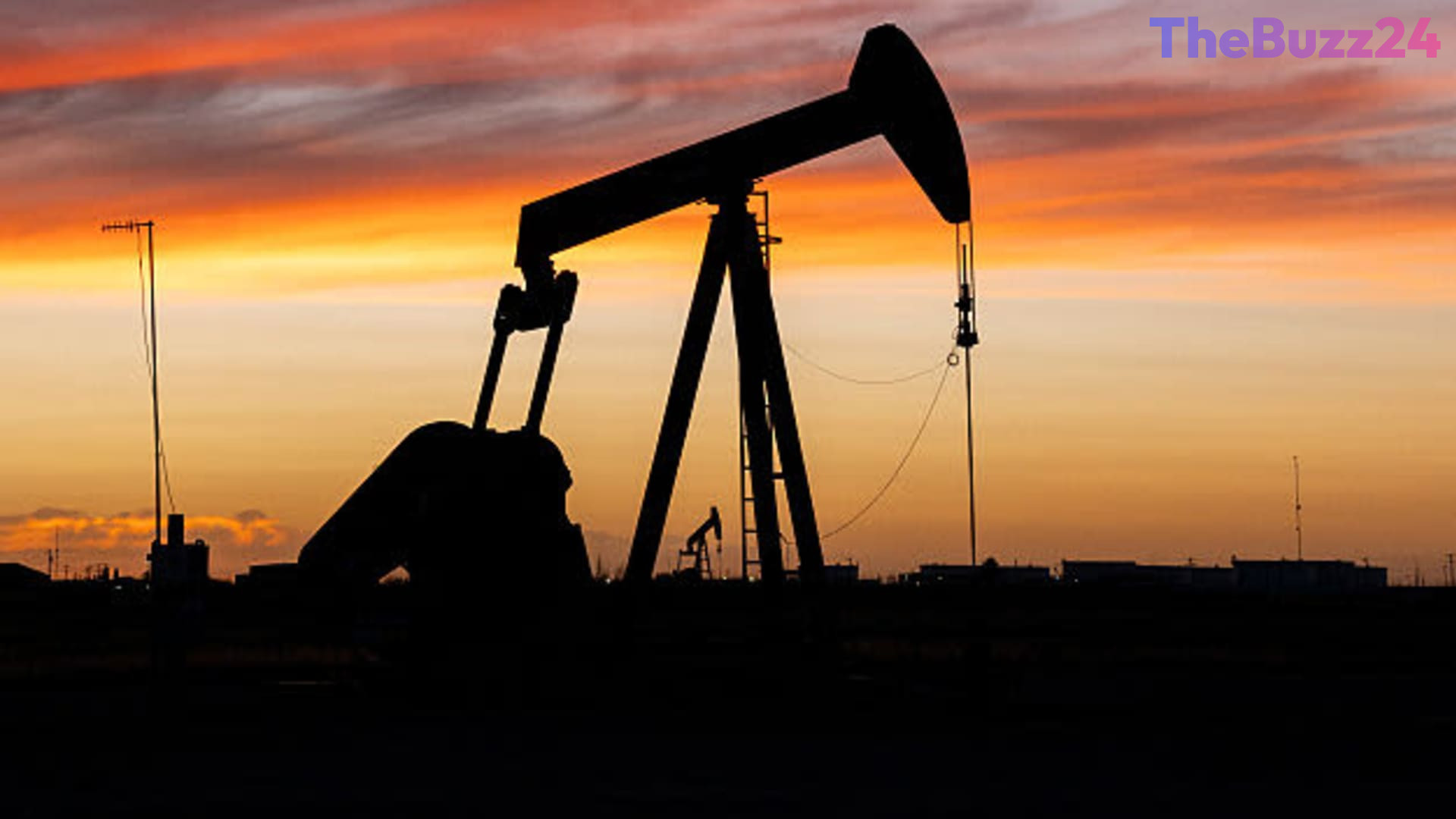
Global markets are bracing for a potential resurgence in inflation as escalating geopolitical tensions in the Middle East keep oil prices at elevated levels. Analysts warn that the ongoing conflict is creating a precarious environment for the global economy, threatening to undo recent progress made in cooling price pressures. The energy-sensitive nature of the current crisis suggests that countries heavily reliant on imports, particularly across Europe and parts of Asia, will face the most significant impact on their headline inflation figures.
Financial experts suggest that the Federal Reserve may be forced to maintain a hawkish monetary policy stance for longer than previously anticipated. With labor markets showing signs of stabilization rather than a downturn, a sustained energy shock would likely keep the central bank focused on upside inflation risks. This environment complicates the outlook for equity markets, where recent gains in profit margins for small- and mid-cap companies may struggle to persist if energy costs remain high for multiple quarters.
Investment strategists are now urging a shift toward more balanced portfolios to mitigate the risks posed by these renewed inflationary pressures. As oil markets continue to exhibit volatility, the path toward price stability appears increasingly uncertain. Investors are being advised to diversify their holdings to protect against the potential for prolonged economic strain caused by the intersection of geopolitical instability and persistent energy costs.
Key Takeaways
- Escalating Middle East tensions are keeping oil prices high, fueling renewed global inflation fears.
- Europe and Asia are identified as the regions most vulnerable to the inflationary impact of rising energy costs.
- Analysts expect the Federal Reserve to maintain a hawkish stance until energy markets show signs of relief.
Editor’s Analysis & Impact
The resurgence of inflation fears linked to geopolitical instability highlights the fragility of the current global economic recovery. By keeping energy prices elevated, the Middle East conflict acts as a ‘tax’ on global growth, disproportionately affecting import-dependent economies. From a market perspective, this creates a challenging environment for equities, as higher input costs threaten to compress profit margins that have only recently begun to stabilize. The Federal Reserve’s commitment to a hawkish policy suggests that the ‘higher for longer’ interest rate narrative will persist, potentially dampening consumer spending and business investment. Looking ahead, the primary risk is a feedback loop where energy-driven inflation forces central banks to keep rates restrictive, thereby increasing the risk of a policy-induced slowdown. Investors should prepare for continued volatility as the market recalibrates to a reality where geopolitical risk is a permanent fixture in inflation forecasting.
Frequently Asked Questions
Q: Why does the Middle East conflict impact global inflation?
A: The Middle East is a critical region for global oil production. Conflict in the area often leads to concerns about supply chain disruptions, which drives up the price of oil. Because energy is a fundamental input for transportation and manufacturing, higher oil prices quickly translate into higher costs for goods and services globally.
Q: How does high inflation affect the Federal Reserve's decision-making?
A: The Federal Reserve's primary mandate includes maintaining price stability. When inflation remains high, the Fed typically keeps interest rates elevated or increases them to cool down economic activity and reduce demand, which helps bring prices back toward their target levels.
AI Disclosure: This article is based on verified data and official reports. Our Team and AI have cross-referenced every financial detail with primary sources to ensure total accuracy.
More from this Category