Aviation Milestone: NASA and GE Aerospace Successfully Demonstrate Megawatt-Class Hybrid-Electric Flight
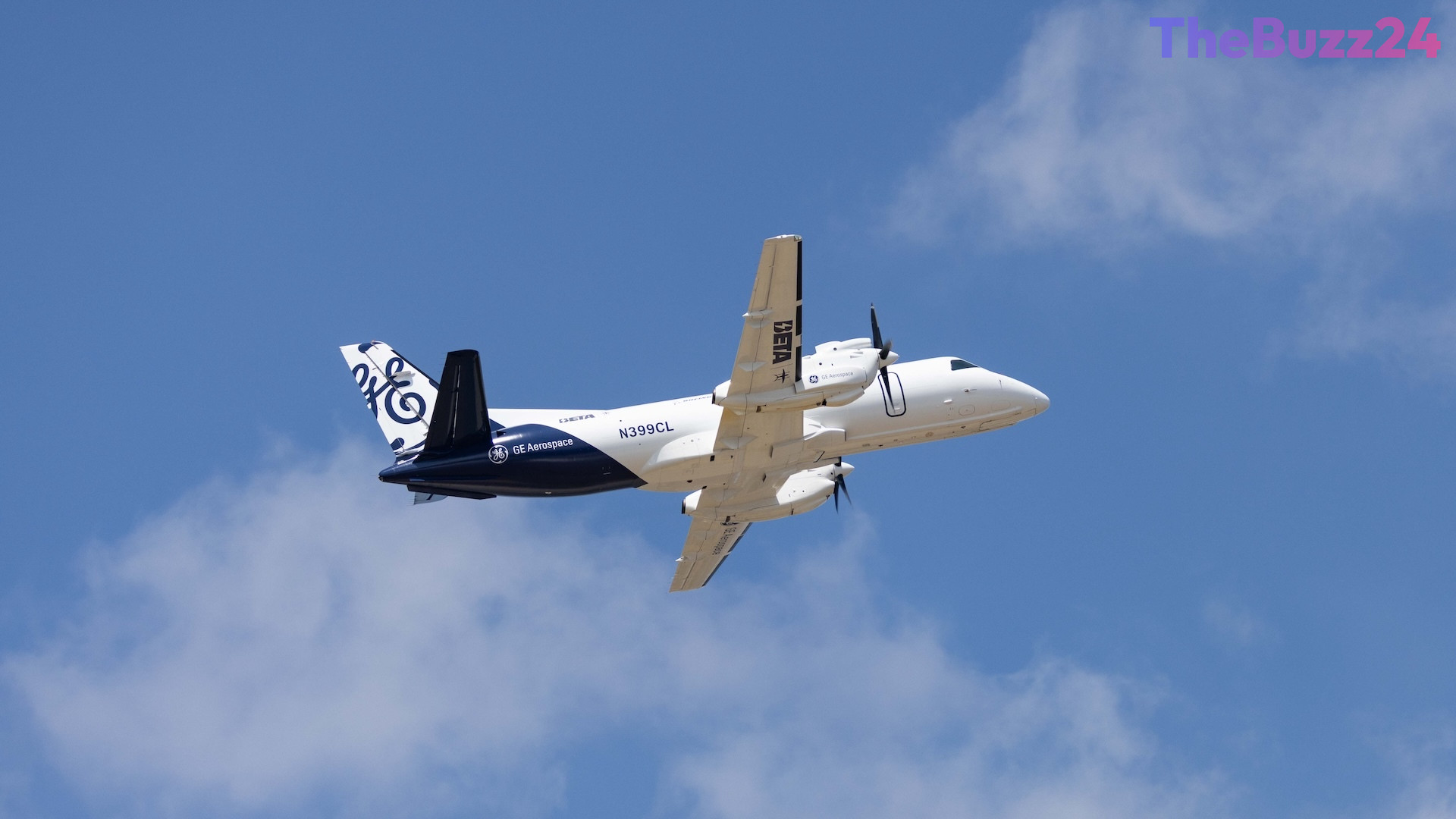
A significant leap in sustainable aviation has been achieved as a modified Saab 340B aircraft successfully completed flight tests powered by a megawatt-class hybrid-electric engine. Developed through a collaborative effort between NASA and GE Aerospace, the propulsion system integrates electric motors, a gas turbine, and advanced energy storage to demonstrate the feasibility of hybrid power for regional-class jet aircraft.
The technology made its public debut at the Farnborough International Air Show following a series of historic test flights that saw the aircraft operate at altitudes exceeding 30,000 feet. This achievement marks the culmination of over 15 years of research, aimed at developing power systems that can significantly reduce fuel consumption and airline operating costs without compromising performance.
Key to this success was the rigorous testing conducted at NASA’s Electric Aircraft Testbed in Ohio, where the system was subjected to simulated high-altitude conditions. By successfully integrating electric propulsion with traditional gas turbine technology, the project addresses long-standing engineering challenges regarding power density, thermal management, and battery efficiency. This milestone provides a foundational blueprint for future commercial aircraft, signaling a shift toward more energy-efficient and environmentally conscious air travel.
Key Takeaways
- NASA and GE Aerospace successfully flight-tested a megawatt-class hybrid-electric engine on a modified Saab 340B aircraft.
- The system is designed to reduce fuel burn and operating costs for regional-class jets by integrating electric motors with traditional gas turbines.
- The project reached a major milestone by becoming the first hybrid-electric aircraft system to demonstrate flight capabilities above 30,000 feet.
Editor’s Analysis & Impact
The successful demonstration of a megawatt-class hybrid-electric engine represents a pivotal moment for the aerospace industry. By proving that hybrid propulsion can function reliably at commercial flight altitudes, NASA and GE Aerospace have effectively de-risked a technology that was previously considered purely theoretical for large aircraft. This development is likely to accelerate the transition toward ‘greener’ aviation, providing a viable pathway for airlines to meet increasingly stringent carbon emission targets. In the coming decade, we can expect this technology to influence the design of next-generation regional jets, potentially lowering ticket prices through reduced fuel dependency. The broader implication is a fundamental shift in aircraft architecture, where electric integration becomes a standard feature rather than an experimental add-on, ultimately reshaping the economics of commercial air transport.
Frequently Asked Questions
Q: What is the primary benefit of the hybrid-electric engine developed by NASA and GE Aerospace?
A: The primary benefit is the reduction of fuel burn and airline operating costs, which helps improve energy efficiency for regional-class aircraft.
Q: How does this hybrid system differ from small electric drones?
A: Unlike small drones that rely solely on batteries, this system is designed for large passenger and cargo planes, utilizing a complex integration of gas turbines, electric motors, and energy storage to handle the massive power requirements of commercial aviation.
AI Disclosure: This article is based on verified data and official reports. Our Team and AI have cross-referenced every financial detail with primary sources to ensure total accuracy.
More from this Category