The Military Conscription Crisis Threatening Israel’s Political Future
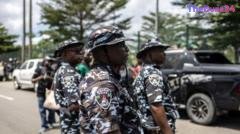
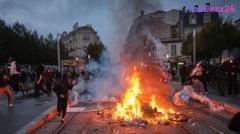
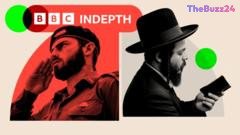
Tensions are escalating across Israel as a deep-seated societal divide over military service comes to a head. Protests have erupted in several cities, with hundreds of ultra-Orthodox men demonstrating against police efforts to enforce conscription for religious students who fail to report for duty. This widening fault line presents a monumental challenge for the nation’s political landscape, particularly as ongoing conflicts strain military resources and test the limits of long-standing government exemptions.
Historically, the ultra-Orthodox, or Haredi, community has maintained an exemption from mandatory military service, a policy originating from the founding days of the state when the population was recovering from the Holocaust. However, as the Haredi demographic expands rapidly—accounting for roughly 14 percent of the population and projected to reach one-third by 2050—the financial and societal costs of these exemptions have drawn intense public scrutiny. Critics argue that while secular and mainstream Israeli citizens bear the heavy burden of prolonged military service and casualties, the ultra-Orthodox remain insulated, focusing instead on full-time religious studies funded largely by state subsidies.
Political alliances are now being intensely tested by this dispute. Prime Minister Benjamin Netanyahu relies heavily on ultra-Orthodox political parties such as United Torah Judaism and Shas to maintain a governing coalition. Yet, with a Supreme Court ruling declaring the blanket military exemptions void, pressure from the political opposition and the broader public to end the special status has intensified significantly. Challengers to the current administration have made military equity a central platform of their campaigns, vowing to cut funding for institutions that refuse the draft.
As the political maneuvering continues, some within the Haredi community have proposed moderate compromises, suggesting alternative service tracks that allow young men to preserve their cultural and religious identity. Nevertheless, leadership remains largely uncompromising, warning that external pressure threatens their way of life. With shifting voter sentiments and potential new political realaments on the horizon, the outcome of this conscription showdown could ultimately reshape Israel’s coalition dynamics and government leadership for years to come.
Key Takeaways
- Ultra-Orthodox exemptions from military service have become a major political flashpoint in Israel amid ongoing conflicts.
- The rapidly growing Haredi population makes up about 14 percent of the country, heightening debates over economic support and civic duty.
- Prime Minister Benjamin Netanyahu's ruling coalition faces severe electoral pressure as opponents campaign heavily on ending draft exemptions.
Editor’s Analysis & Impact
The military conscription crisis involving Israel’s ultra-Orthodox community represents a critical inflection point for the nation’s social contract and political stability. For decades, the accommodation of Haredi exemptions was managed as a niche policy issue, but demographic shifts and prolonged wartime mobilization have transformed it into a mainstream existential debate. The economic and social friction between the secular/mainstream military-contributing majority and the insular ultra-Orthodox sector is no longer sustainable in its current form. Politically, this issue threatens to fracture longstanding coalition equations, potentially ending Netanyahu’s tenure if the opposition successfully capitalizes on public frustration. Long-term, how Israel resolves this tension will dictate its social cohesion, workforce integration of minority communities, and the foundational structure of its national defense model.
Frequently Asked Questions
Q: Why do ultra-Orthodox Jews traditionally receive military exemptions?
A: The exemptions date back to the founding of Israel when the Haredi community was a small minority recovering from the Holocaust, allowing young men to focus entirely on religious studies.
Q: What is the legal status of the draft exemption today?
A: The Israeli Supreme Court ruled that the blanket exemption for ultra-Orthodox men from military service is null and void, sparking widespread protests and fierce political battles.
Q: How does this issue impact Prime Minister Benjamin Netanyahu's government?
A: Netanyahu relies on ultra-Orthodox political parties to maintain a parliamentary majority. However, public anger over the draft exemptions has weakened his coalition's polling numbers and empowered political rivals.
AI Disclosure: This article is based on verified data and official reports. Our Team and AI have cross-referenced every financial detail with primary sources to ensure total accuracy.
More from this Category