High Stakes Midterms: Obama and Trump Intensify Campaign Rhetoric
Former U.S. Presidents Barack Obama and Donald Trump have taken to the campaign trail, delivering impassioned speeches and sharp criticisms as the crucial midterm elections on November 3 draw near. With early voting already underway, both political figures are rallying support for their respective parties, underscoring the high stakes involved in determining control of Congress for the remainder of the current presidential term. The outcome will significantly influence the legislative agenda and the ease with which the sitting president can implement policies.
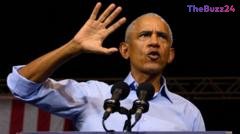
Campaigning for Democratic candidates in Ohio and Michigan, former President Obama launched a scathing critique of the Trump administration. He highlighted concerns over the Iran conflict, which he argued granted Tehran undue influence over the Strait of Hormuz, and pointed to rising consumer prices as evidence of economic mismanagement. Obama characterized the past two years as marked by “chaos and cruelty and corruption and incompetence,” urging voters to use the election as an opportunity to “rein in some of the foolishness.” He also took a lighthearted jab at Trump’s White House redecorations, humorously comparing them to a “Cheesecake Factory” opened by Saddam Hussein. In Ohio, Obama specifically endorsed former Senator Sherrod Brown and gubernatorial candidate Amy Acton, condemning a controversial campaign ad by Republican Vivek Ramaswamy that exploited Acton’s childhood trauma.
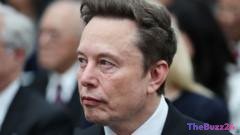
Meanwhile, President Trump held rallies in Georgia, championing his administration’s immigration and tariff policies, which he asserted were ushering in a “golden age of America.” Acknowledging “temporarily high” oil prices, Trump assured supporters that fuel costs would eventually decrease, attributing the nation’s strengthening economy to “massive amounts of money through tariffs.” He pledged a $5,000 payout to every adult American if Republicans secure both chambers of Congress. Trump also directed strong rhetoric at Democrats, accusing them of intending to “loot your wealth” and “annihilate your borders,” and used derogatory language when discussing immigration from certain countries. He cast his ballot in Florida alongside First Lady Melania Trump, emphasizing the importance of Republican victories.
The contrasting messages from these two influential figures underscore the deep political divisions and the critical issues at play in the upcoming elections. From economic stability and foreign policy to immigration and campaign ethics, voters are presented with stark choices that will shape the nation’s direction.
Key Takeaways
- Former Presidents Obama and Trump are actively campaigning for their respective parties ahead of the November 3 midterm elections, highlighting the critical battle for congressional control.
- Obama criticized the Trump administration on economic issues, foreign policy (Iran), and governance, while endorsing Democratic candidates and condemning controversial campaign tactics.
- Trump defended his economic and immigration policies, promised financial incentives, and attacked Democrats with strong rhetoric, emphasizing a "golden age" for America.
Editor’s Analysis & Impact
The intense involvement of both former Presidents Barack Obama and Donald Trump in the midterm campaigns underscores the profound polarization and high stakes of these elections. Economically, the focus on inflation, oil prices, and tariffs indicates that voters’ financial concerns are paramount, and the outcome could significantly influence future fiscal and trade policies. A shift in congressional control could lead to either legislative gridlock or a more streamlined path for the sitting administration’s agenda, impacting sectors from energy to technology. Beyond immediate policy, these midterms serve as a critical gauge of public sentiment, potentially foreshadowing the dynamics of future presidential races. The aggressive rhetoric from both sides suggests a continued era of political contention, making the ability to forge bipartisan consensus increasingly challenging, regardless of which party ultimately prevails.
Frequently Asked Questions
Q: What are the U.S. midterm elections?
A: The U.S. midterm elections are general elections held near the midpoint of a president's four-year term. They typically determine which political party controls the U.S. Congress (the House of Representatives and the Senate), as well as many state and local offices.
Q: What are the main issues being debated by Obama and Trump during their campaigns?
A: Both former presidents are addressing key national concerns. Obama has focused on economic issues like consumer prices and inflation, foreign policy (specifically the Iran conflict), and the overall governance style of the Trump administration. Trump, conversely, has highlighted his administration's immigration and tariff policies, economic growth, and the promise of financial payouts to citizens, while also criticizing Democratic proposals.
Q: Why are former presidents so actively involved in midterm campaigns?
A: Former presidents often remain influential figures within their respective parties. Their active involvement in midterm campaigns helps to energize their party's base, raise funds, and lend credibility and visibility to specific candidates. Their endorsements and criticisms can significantly sway public opinion and underscore the national importance of local and congressional races.
AI Disclosure: This article is based on verified data and official reports. Our Team and AI have cross-referenced every financial detail with primary sources to ensure total accuracy.
More from this Category