FDA Clarifies Cyclospora Investigation Amid Confusion Over Lettuce Testing
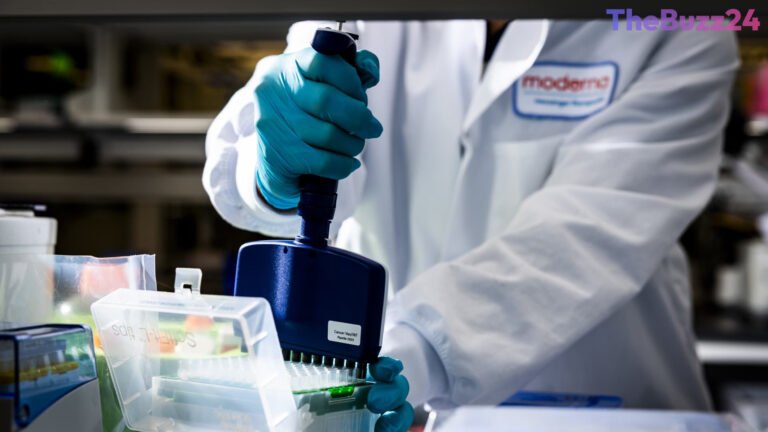
The Food and Drug Administration (FDA) has issued a clarification regarding its ongoing investigation into a widespread cyclosporiasis outbreak, aiming to resolve confusion following a retracted test result. While the agency acknowledged that a specific sample of iceberg lettuce from Taylor Farms initially flagged for the cyclospora parasite was a false positive, it emphasized that this development does not alter its primary findings. The agency maintains that the outbreak remains linked to shredded iceberg lettuce sourced from Taylor Farms facilities in central Mexico.
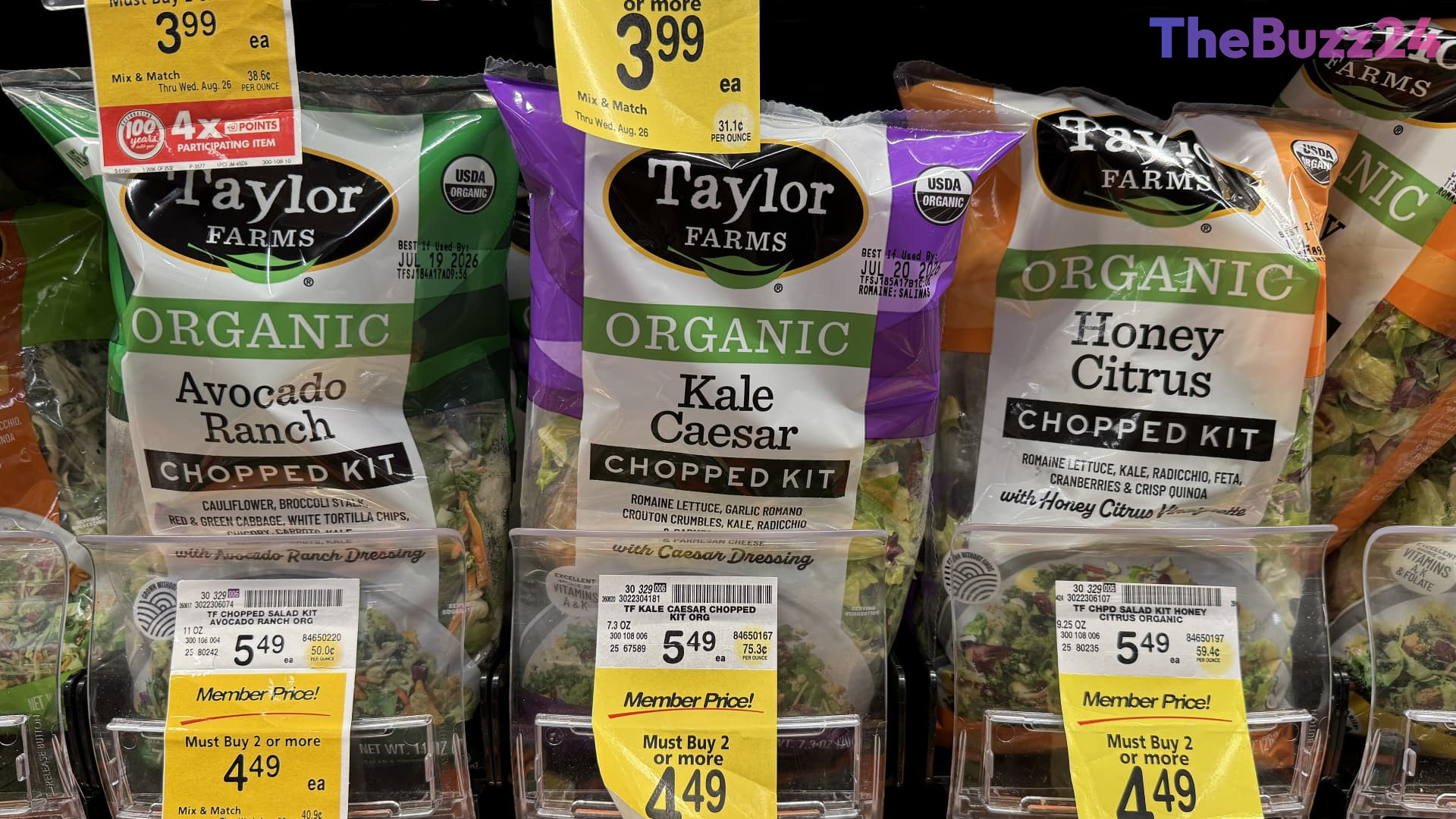
Despite the false positive, the FDA continues to advise consumers to avoid recalled iceberg lettuce products. The investigation, which has seen over 1,600 reported illnesses, remains focused on the supply chain originating from central Mexico. Taylor Farms has committed to continuing its voluntary recall of the implicated products, while major retailers like Walmart have proactively pulled various bagged salad kits from shelves across 27 states as a precautionary measure, despite no confirmed illnesses linked to those specific items.
The restaurant industry is also feeling the impact of the health crisis. Taco Bell, which was among the chains supplied by the affected facilities, has removed the suspected lettuce from its locations and adjusted its supply chain. Data indicates that foot traffic at various restaurant chains, including Taco Bell, Chopt, Panera Bread, and Chipotle, experienced a decline as consumers reacted to the news. Industry experts suggest that while the outbreak may cause short-term financial fluctuations for these companies, long-term damage is not expected, provided that safety protocols are strictly maintained and transparency is prioritized.
Public health officials continue to monitor the situation closely, noting that the nature of the cyclospora parasite makes it particularly difficult to track. Experts warn that because the parasite has a long incubation period and the affected produce has a short shelf life, the investigation remains complex. Health departments in states like Michigan are recommending that consumers opt for whole heads of lettuce rather than pre-washed or bagged salad kits until the situation is fully resolved.
Key Takeaways
- The FDA confirmed a false positive test result for a specific sample of Taylor Farms lettuce but maintains that the broader outbreak is still linked to the company's shredded iceberg lettuce from central Mexico.
- Major retailers, including Walmart, have proactively pulled salad products from shelves, and restaurant chains like Taco Bell have removed the suspected lettuce from their supply chains.
- While the outbreak has caused a temporary decline in restaurant foot traffic, analysts do not anticipate long-term financial damage to the major brands involved.
Editor’s Analysis & Impact
The FDA’s handling of this investigation highlights the inherent volatility in food safety reporting, where a single technical error can trigger widespread consumer anxiety and supply chain disruption. From a market perspective, the immediate impact on foot traffic for major chains like Taco Bell and Chipotle demonstrates how quickly public perception can shift during health scares. However, the industry’s rapid response—characterized by voluntary recalls and proactive product removals—suggests a mature approach to crisis management. Looking ahead, the incident underscores the need for more robust, rapid-testing technologies in the produce supply chain to prevent the ‘false positive’ confusion that complicates public health messaging. While the financial impact is likely to be contained within a one-to-two quarter window, the incident serves as a reminder of the fragility of fresh produce logistics in a globalized market.
Frequently Asked Questions
Q: Is it safe to eat lettuce right now?
A: The FDA continues to advise consumers to avoid any iceberg lettuce that has been subject to the current recall. Consumers are encouraged to check their local health department websites or the FDA's official portal for the most up-to-date list of recalled products.
Q: Why did the FDA report a false positive?
A: In foodborne illness investigations, initial screening signals sometimes fail to be reproduced during rigorous laboratory confirmation testing. The FDA noted that cyclospora is particularly challenging to detect and recreate in a lab setting.
AI Disclosure: This article is based on verified data and official reports. Our Team and AI have cross-referenced every financial detail with primary sources to ensure total accuracy.
More from this Category