Tesla Navigates Mixed Q2 Results While Accelerating AI and Robotaxi Ambitions
Tesla was poised to announce its second-quarter financial results on Wednesday, with analysts anticipating a 14% increase in revenue, projected to reach $25.71 billion. This comes after the electric vehicle giant reported a significant 25% year-over-year surge in auto deliveries for the quarter, marking a rebound following previous annual declines. Despite these positive delivery figures, the company’s stock has faced headwinds, declining by 16% year-to-date, contrasting with an 11% rise in the Nasdaq index.
The automotive manufacturer has been contending with a dynamic market landscape, including fierce competition from international automakers, particularly Chinese brands like BYD, Nio, and Xiaomi, which are introducing affordable yet technologically advanced EVs globally. Tesla has also navigated past periods of declining deliveries and faced consumer boycotts in response to CEO Elon Musk’s public rhetoric. However, the first half of the year saw a boost in European EV sales, partly driven by rising gas prices. In an effort to broaden its appeal, Tesla recently introduced lower-cost versions of its popular Model 3 and Model Y vehicles and expanded the availability of its premium Full Self-Driving (Supervised) system to select European markets.
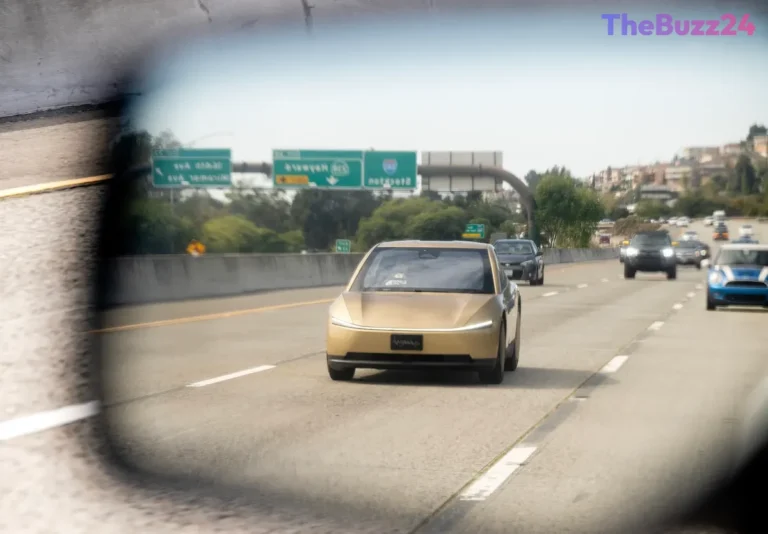
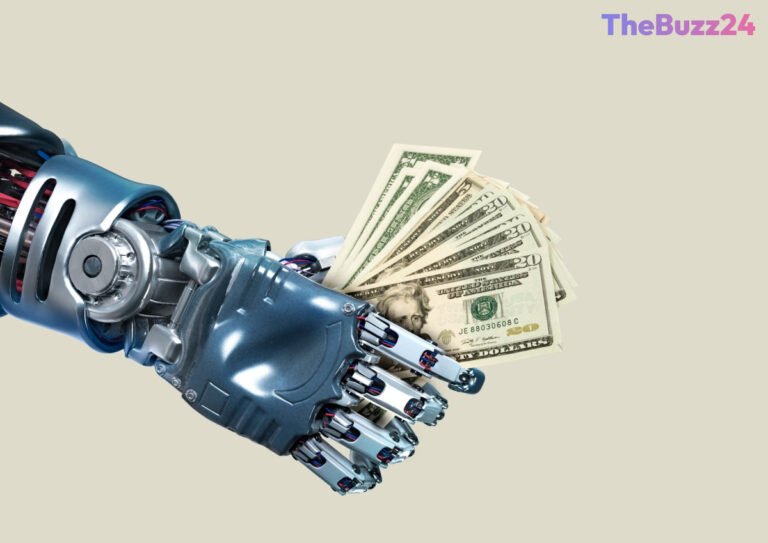
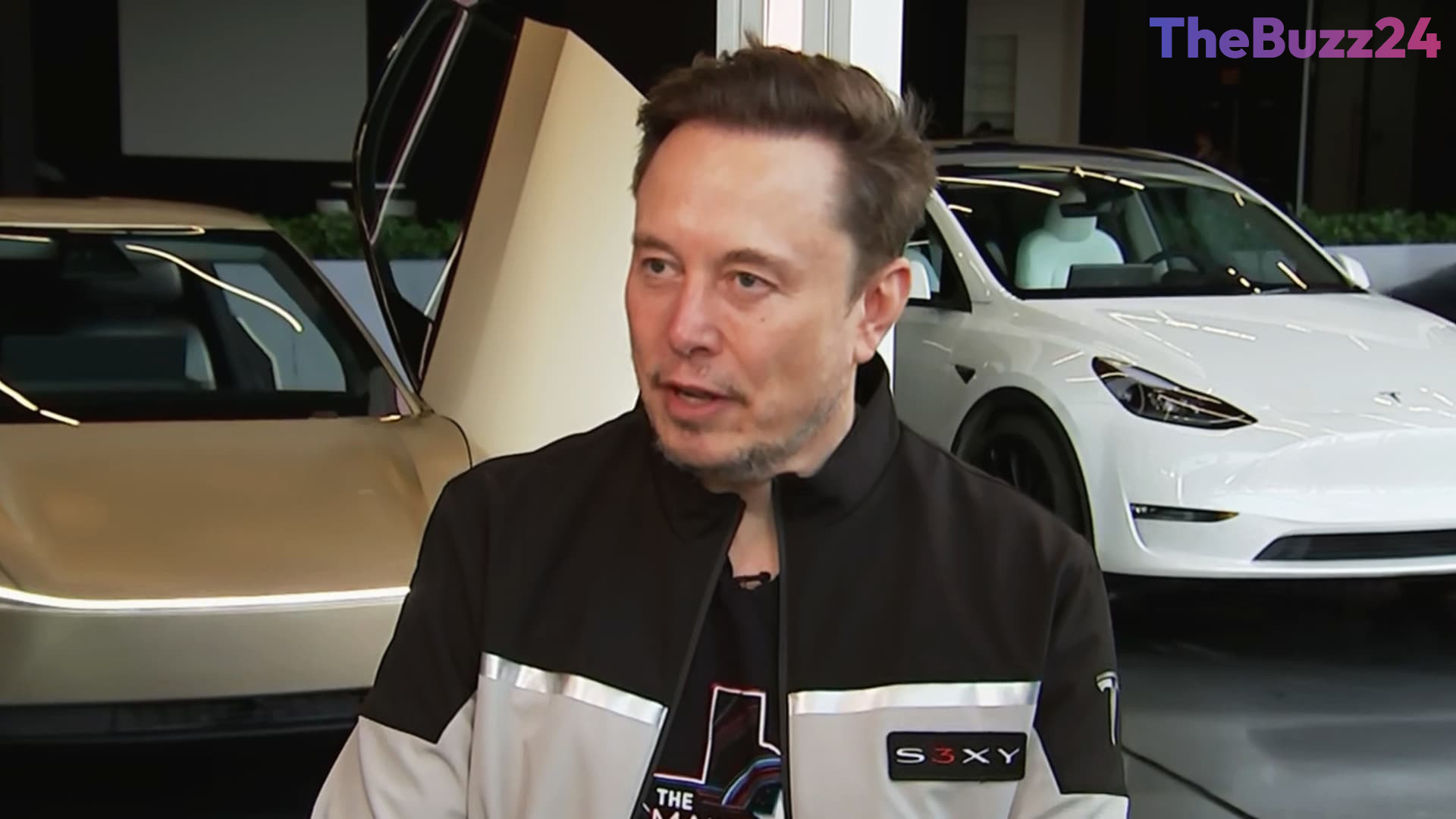
Looking beyond traditional vehicle sales, Elon Musk has increasingly steered Tesla’s strategic focus towards ambitious AI and robotics ventures. A significant emphasis is now placed on the development of a driverless Robotaxi service, dubbed Cybercab, and the production of Optimus humanoid robots. Musk has boldly claimed that Optimus could become the company’s — and potentially the world’s — most impactful product. This pivot, however, comes with its own set of challenges, including past missed targets for Robotaxi deployment and intense competition in both autonomous driving, where it trails companies like Alphabet’s Waymo and Baidu’s Apollo Go, and the nascent humanoid robot market, which includes rivals such as Unitree, Boston Dynamics, and Agility Robotics.
Investors closely monitored Wednesday’s conference call for updates on these advanced robotics and driverless technologies. Further insights were also sought regarding the collaboration between Tesla and SpaceX, particularly concerning the planned Terafab, a massive chip factory slated for joint construction and operation with Intel in Texas.
Key Takeaways
- Tesla's Q2 results show expected revenue growth and a significant rebound in vehicle deliveries, despite a notable decline in its stock price this year.
- The company is navigating intense competition in the global EV market, particularly from Chinese manufacturers, and has expanded its product offerings with lower-cost models and broader FSD availability.
- Elon Musk is increasingly shifting Tesla's strategic focus towards ambitious AI-powered initiatives, including Optimus humanoid robots and the Robotaxi service, though these ventures face significant development hurdles and strong market competition.
Editor’s Analysis & Impact
Tesla’s latest earnings report underscores a pivotal moment for the company, balancing traditional automotive performance with audacious future-tech ambitions. While a rebound in EV deliveries and projected revenue growth signal resilience in its core business, the persistent stock decline reflects investor skepticism regarding the profitability and timelines of its ‘bolder bets’ in AI and robotics. The intensifying competition in the EV sector, particularly from agile Chinese manufacturers, necessitates Tesla’s continued innovation and market adaptation. The strategic pivot towards Optimus and Robotaxi services could redefine Tesla’s identity, transforming it from an EV leader into a broader AI and robotics powerhouse. However, the success of these ventures, which face formidable competition and technological complexities, will be crucial for its long-term valuation and industry leadership, potentially influencing other automakers to diversify their own tech portfolios.
Frequently Asked Questions
Q: What were Tesla's key financial expectations for Q2?
A: Tesla was expected to report approximately $25.71 billion in revenue for the second quarter, representing a 14% year-over-year growth, alongside a 25% increase in vehicle deliveries.
Q: Why has Tesla's stock price declined despite increased deliveries?
A: The stock decline is attributed to several factors, including broader market sentiment, intense competition from other EV manufacturers, and investor skepticism regarding the long-term profitability and ambitious timelines of new ventures like Robotaxi and Optimus robots.
Q: What new strategic directions is Tesla pursuing?
A: Tesla is increasingly focusing on developing AI-powered technologies, including its driverless Robotaxi service (Cybercab) and Optimus humanoid robots, with CEO Elon Musk positioning these as the company's most significant future products.
AI Disclosure: This article is based on verified data and official reports. Our Team and AI have cross-referenced every financial detail with primary sources to ensure total accuracy.
More from this Category