Breakthrough Vision-Restoring Microchip Secures Regulatory Approval in Europe
Science Corporation has achieved a major regulatory milestone after receiving authorization from European medical device regulators to commercialize its groundbreaking vision-restoring implant, known as PRIMA. The innovative technology is designed to assist individuals suffering from severe visual impairment caused by age-related macular degeneration, a condition affecting millions globally by deteriorating light-sensitive retinal cells. Additionally, the United States Food and Drug Administration has granted the system a special designation that paves the way for an expedited review process, raising hopes for treating rare forms of blindness in the near future.
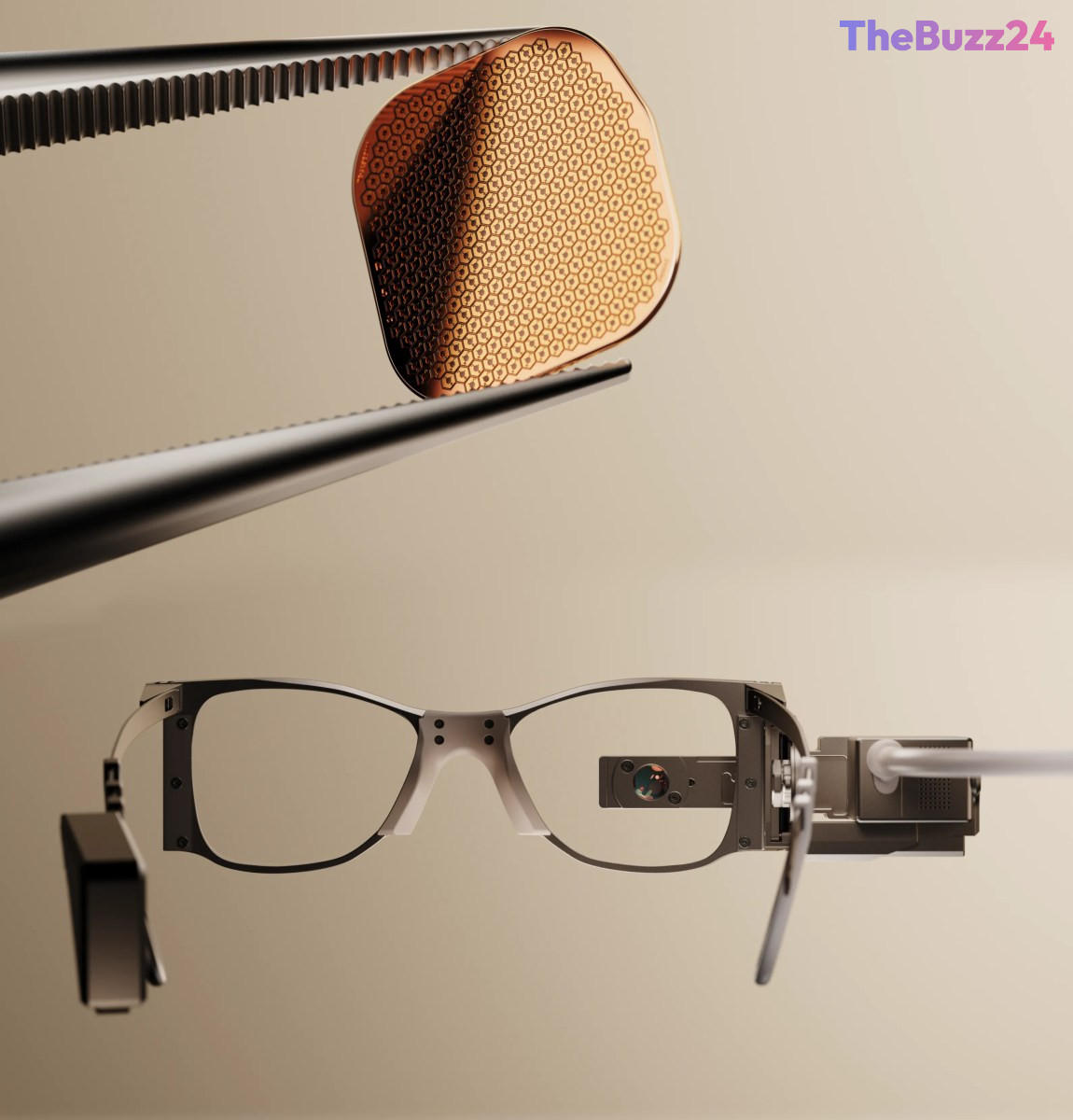
The PRIMA system operates through a streamlined, one-hour outpatient procedure in which a miniature microchip is implanted beneath the patient’s retina. Patients then wear specialized glasses fitted with a camera that captures visual data and transmits it wirelessly to the implanted chip. According to Science Corporation founder and chief executive officer Max Hodak, the technology successfully restores functional sight. Clinical trial participants have demonstrated remarkable outcomes, including reading entire novels, solving crossword puzzles, completing Sudoku games, and drawing detailed artwork.
Hodak, who previously co-founded Neuralink alongside Elon Musk before departing in 2021, established Science Corporation with a vision to develop advanced bio-hybrid neural interfaces. To accelerate commercialization and build a sustainable revenue model, the firm acquired French biotechnology enterprise Pixium in 2024 to refine the PRIMA system. The company aims to begin initial medical procedures in Germany as early as September, with each unit expected to cost several hundred thousand dollars as negotiations with European healthcare providers and insurers continue.
Looking ahead, Science Corporation plans to refine PRIMA’s hardware by shrinking the required glasses and enhancing microchip capabilities. Beyond eye implants, the organization is collaborating with neurosurgery experts at Yale Medical School on direct bio-hybrid brain sensors. Establishing a profitable vision restoration business serves as the foundational pillar for funding these long-term neurotechnology projects, proving that brain-computer interfaces can transition from experimental laboratories into viable commercial products.
Key Takeaways
- European regulatory authorities approved Science Corporation's PRIMA retinal chip to treat age-related macular degeneration.
- The system uses an implanted microchip and camera-equipped glasses to restore functional vision through a brief outpatient surgery.
- Science Corporation plans to commercialize the device in Germany starting in September while seeking expedited approval from the US FDA.
Editor’s Analysis & Impact
The commercial approval of the PRIMA device marks a pivotal shift in the brain-computer interface (BCI) industry, transitioning neurotechnology from speculative research into revenue-generating clinical solutions. For years, BCI ventures have struggled with long development cycles and heavy capital requirements without immediate commercial returns. By commercializing retinal microchips, Science Corporation addresses a massive unmet medical need—age-related macular degeneration—while securing sustainable cash flow to fund advanced bio-hybrid brain interfaces. If successful, this approach could de-risk BCI investments and set a commercial blueprint for competitors. However, high unit costs and complex reimbursement negotiations with health authorities remain critical hurdles for widespread patient adoption.
Frequently Asked Questions
Q: What is the PRIMA device and how does it work?
A: PRIMA is a microchip implant designed to restore vision in patients with retinal degeneration. It requires a one-hour outpatient procedure to place a small chip in the back of the eye, which receives wireless visual signals from camera-equipped glasses worn by the user.
Q: When will the PRIMA retinal implant be available to patients?
A: Science Corporation expects to perform its first commercial procedures in Germany around September, with negotiations currently underway with European healthcare providers regarding device reimbursement.
Q: Who is behind Science Corporation?
A: Science Corporation was founded by Max Hodak, the former president and co-founder of Neuralink, who established the company to develop bio-hybrid brain-computer interfaces and advanced visual prosthetics.
AI Disclosure: This article is based on verified data and official reports. Our Team and AI have cross-referenced every financial detail with primary sources to ensure total accuracy.
More from this Category