Tesla Pushes Back Key Product Launches Amid Soaring Investments and Strategic Shift
Tesla has announced a revised timeline for the volume production of several anticipated products, including the Cybercab, the Tesla Semi, and its Megapack 3 commercial energy-storage solution, now planning to achieve this milestone beyond 2026. The company also removed previous language regarding the Optimus robot reaching volume production, signaling a delay for the humanoid as well.
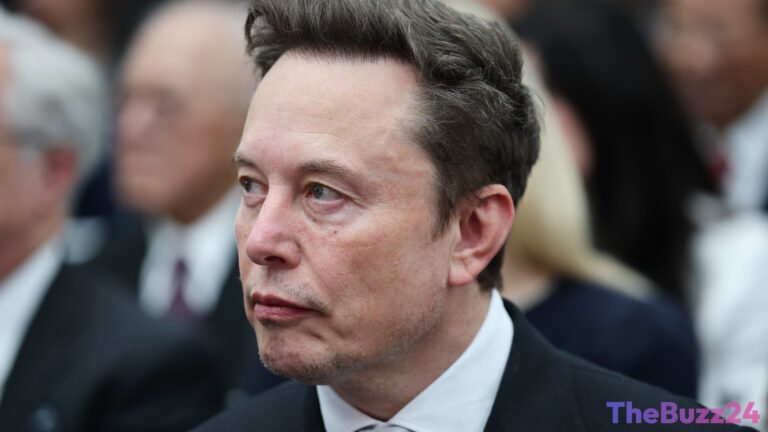
This adjustment comes as the automotive and technology giant reported its second-quarter financial results, revealing a 5% year-over-year drop in net income to $1.1 billion. Despite a significant 26% increase in revenue, reaching $28.2 billion, Tesla’s capital expenditures more than doubled, leading to negative free cash flow. The company attributes the production delays for Cybercab and Semi to efforts to ramp up its proprietary 4680 battery cell production. CEO Elon Musk highlighted the immense challenge of scaling Optimus manufacturing, noting that “everything on the robot is new.”
Tesla’s financial performance was buoyed by robust sales in its core electric vehicle segment, with automotive revenue climbing to $20.5 billion. The company delivered over 480,000 vehicles in the quarter, marking its best sales result since Q3 last year, driven by record demand in numerous international markets. Furthermore, the energy storage and solar division saw a 13% revenue increase to $3.1 billion, and subscriptions for its Full Self-Driving (Supervised) system surged by 56% year-over-year to 1.48 million.
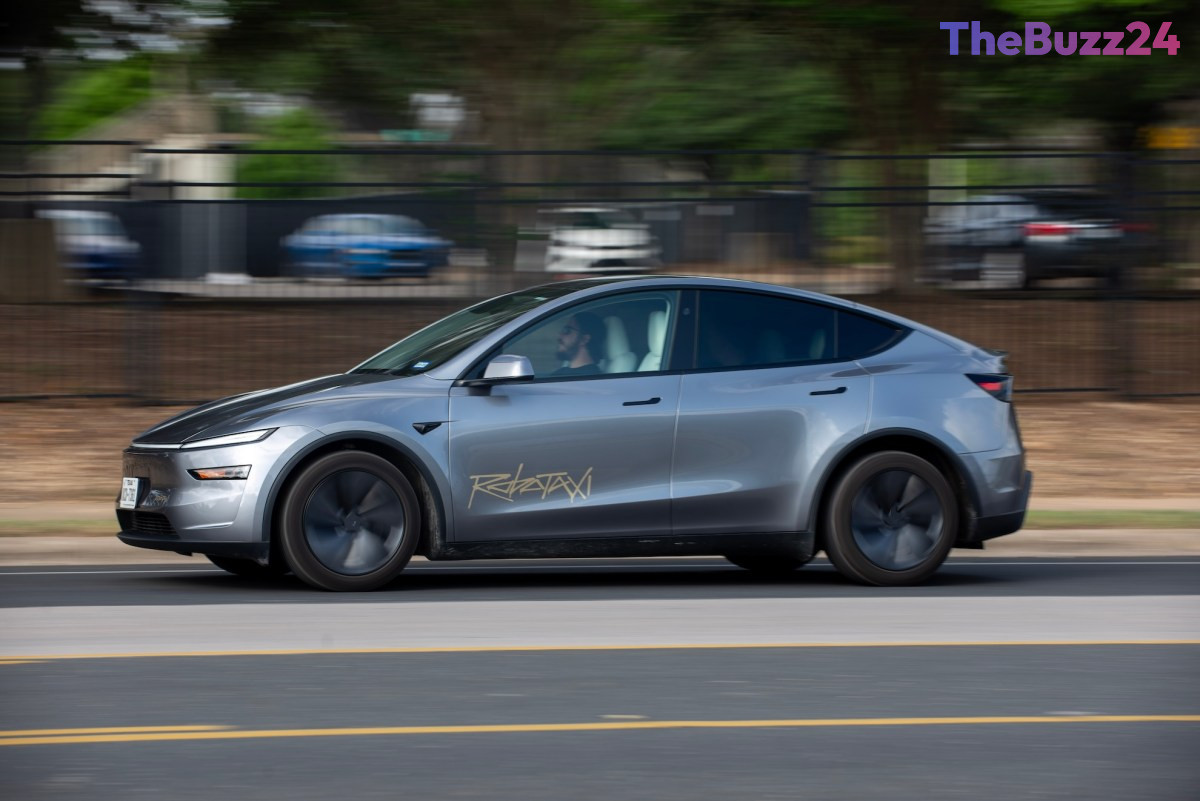
However, the bottom line was impacted by a substantial 47% increase in operating expenses, reaching $4.3 billion, and a negative free cash flow of $1 billion. These figures underscore Tesla’s aggressive investment strategy as it transitions from primarily an EV manufacturer to a leader in AI and robotics. The company projects capital expenditures to reach $25 billion by 2026, a threefold increase from historical spending, as it reallocates resources, including ending Model S and Model X production at its Fremont factory to make way for Optimus development and expanding its Robotaxi service.
Key Takeaways
- Tesla has delayed volume production for its Cybercab, Tesla Semi, Megapack 3, and Optimus robot, pushing timelines beyond 2026.
- Despite a 26% revenue increase to $28.2 billion, driven by strong EV sales and energy storage, net income fell 5% to $1.1 billion due to soaring capital expenditures and operating costs.
- The company is heavily investing in its transition to an AI and robotics leader, with projected capital expenditures of $25 billion by 2026, leading to negative free cash flow in the short term.
Editor’s Analysis & Impact
Tesla’s decision to delay volume production for key new products, while financially challenging in the short term, reflects a strategic pivot towards its long-term vision as an AI and robotics powerhouse. The significant increase in capital expenditures and negative free cash flow indicate a period of intense investment, which could strain investor patience but is crucial for developing next-generation technologies. While the EV market remains competitive, Tesla’s diversification into energy storage and AI/robotics could unlock substantial future growth. The market will closely watch how effectively Tesla manages these ambitious transitions, balancing innovation with financial stability, as the success of Optimus and Cybercab will be pivotal for its future valuation and industry leadership.
Frequently Asked Questions
Q: Which Tesla products have had their volume production timelines delayed?
A: Tesla has delayed volume production for its Cybercab, Tesla Semi, Megapack 3 commercial energy-storage solution, and the Optimus robot, with timelines now extending beyond 2026.
Q: How did Tesla's financial performance fare in the second quarter?
A: Tesla reported a 26% increase in revenue to $28.2 billion, primarily from strong EV sales. However, net income decreased by 5% to $1.1 billion, and the company experienced negative free cash flow of $1 billion due to significantly increased capital expenditures and operating expenses.
Q: What is Tesla's long-term strategic focus?
A: Tesla is actively transitioning from primarily an electric vehicle manufacturer to a leader in artificial intelligence, robotics, and related services, committing substantial capital to achieve this goal, including ending production of older models to make way for new projects like Optimus.
AI Disclosure: This article is based on verified data and official reports. Our Team and AI have cross-referenced every financial detail with primary sources to ensure total accuracy.
More from this Category