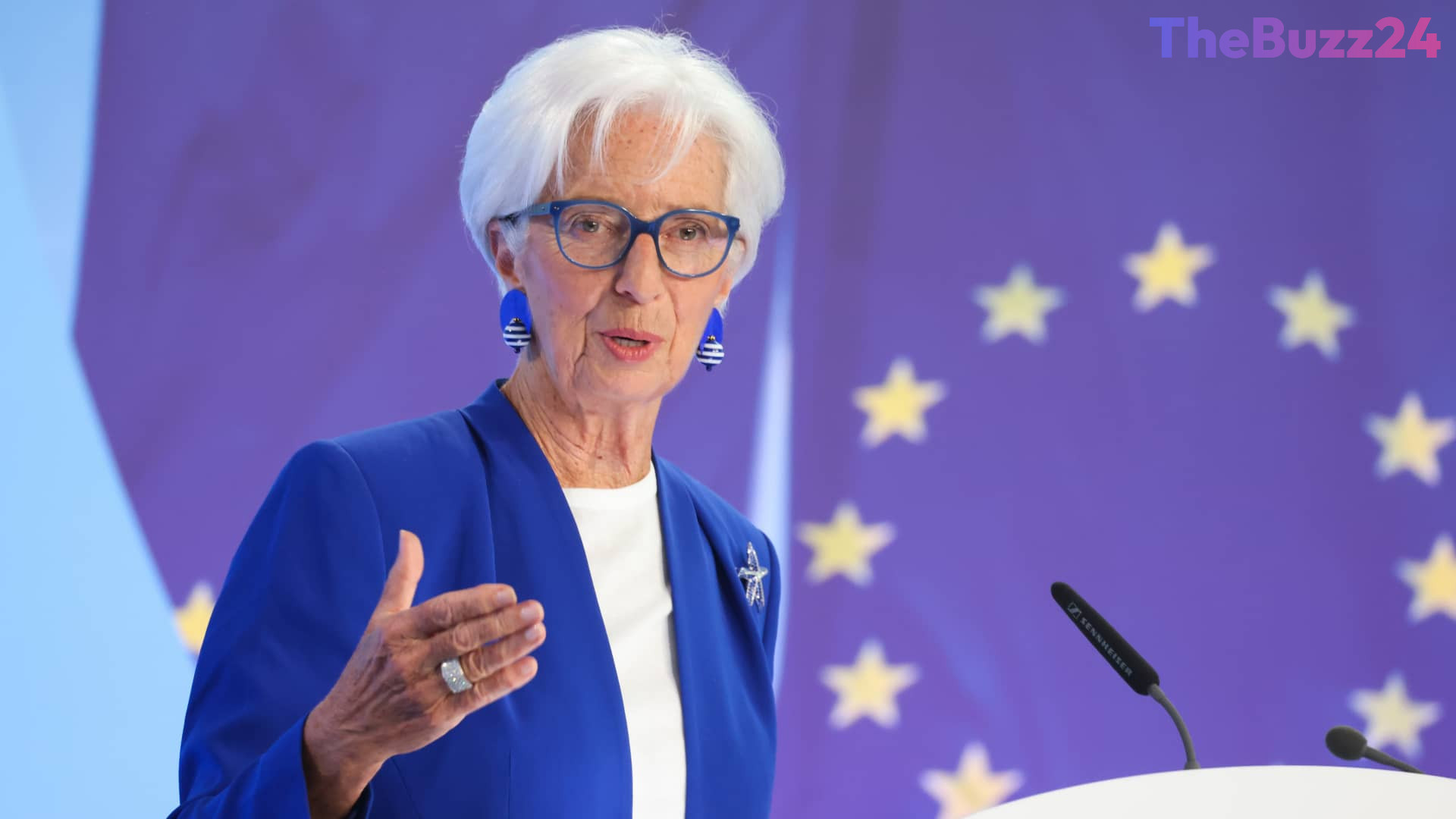
European Central Bank Holds Rates Steady Amid Inflationary Energy Concerns
The European Central Bank (ECB) opted to maintain its main interest rate at 2.25% during its latest policy meeting, a decision that aligned with broader market expectations. Despite the pause, the central bank remains vigilant, signaling that inflationary pressures are expected to persist well above its 2% medium-term target until at least the first half of 2027.
ECB President Christine Lagarde highlighted that the primary driver of this ongoing uncertainty is the volatility in energy markets. Renewed hostilities in the Middle East have sparked concerns over potential supply disruptions, which could keep energy prices elevated for an extended period. Lagarde warned that such sustained costs risk triggering broader inflationary effects, complicating the bank’s efforts to stabilize the eurozone economy.
Market participants are already positioning for further tightening, with many analysts anticipating a 0.25% rate hike as early as September. While the ECB has expressed its readiness to adjust rates as necessary to meet its mandate, the path forward remains complex. The bank must balance the need to curb inflation against the external economic shocks originating from global geopolitical tensions, which continue to weigh heavily on the continent’s growth outlook.
Key Takeaways
- The European Central Bank kept interest rates at 2.25% but signaled that inflation will likely remain above target until 2027.
- Geopolitical tensions in the Middle East are driving energy price volatility, which the ECB identifies as a major risk to price stability.
- Financial markets are currently pricing in a potential 0.25% interest rate increase for September to combat persistent inflationary pressures.
Editor’s Analysis & Impact
The ECB’s current stance reflects a delicate balancing act between managing domestic price stability and navigating external supply-side shocks. By keeping rates steady while explicitly warning of future hikes, the bank is attempting to anchor inflation expectations without prematurely stifling economic activity. The reliance on energy market stability suggests that the ECB’s policy trajectory is no longer purely data-driven by domestic metrics but is increasingly hostage to global geopolitical developments. Looking ahead, the bank faces a challenging environment where ‘second-round effects’—where high energy costs seep into wages and services—could force a more aggressive monetary policy than initially anticipated. Investors should expect continued volatility in European bond markets as the ECB remains in a ‘rate-raising mood’ to combat these persistent structural pressures.
Frequently Asked Questions
Q: Why did the European Central Bank decide to hold interest rates steady?
A: The ECB held rates at 2.25% to align with market expectations while assessing the impact of current inflationary pressures and global energy market volatility.
Q: What is the primary concern regarding inflation in the eurozone?
A: The primary concern is that renewed geopolitical tensions in the Middle East could lead to prolonged energy supply disruptions, causing inflation to remain well above the 2% target for several years.
AI Disclosure: This article is based on verified data and official reports. Our Team and AI have cross-referenced every financial detail with primary sources to ensure total accuracy.
More from this Category