Tesla’s Robotaxi Ambitions Hit a Speed Bump: Paid Miles Decline Amidst Cybercab Data Push
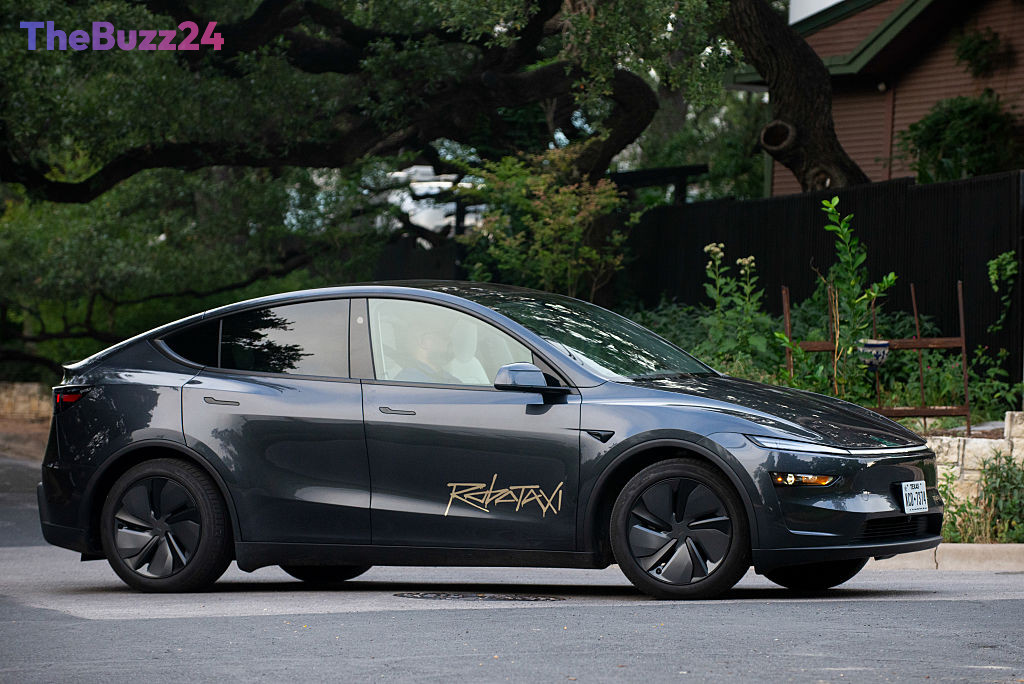
Tesla’s highly anticipated Robotaxi network experienced a significant downturn in paid customer miles during the second quarter, a stark contrast to the company’s aggressive public stance on autonomous vehicle development. Data released by the company reveals a substantial decrease in operational mileage for its Robotaxi fleet, raising questions about the pace and viability of its ambitious autonomous driving future.
This quarterly contraction in paid Robotaxi usage comes at a challenging time for Tesla, as its core business segments have recently underperformed financial expectations, leading to a notable dip in its stock value. Despite expanding its nascent Robotaxi service to six cities across Texas and Florida, the fleet logged approximately 700,000 paid miles in the second quarter, down from about 1.1 million miles in the first quarter—a decline of roughly 36%. This reduction occurred even as the company included mileage from its San Francisco Bay Area operations, where vehicles are supervised and lack full autonomous permits.
Adding to the complexity, CEO Elon Musk indicated during a recent earnings call that Tesla needs to accumulate specific driving data for its upcoming ‘Cybercab’ model before a large-scale deployment can occur. Musk explained that the Cybercab, a purpose-built autonomous vehicle, requires dedicated data collection, unlike Tesla’s existing customer vehicles. This strategy marks a shift from previous assertions that Tesla’s vast fleet of customer cars has been continuously gathering data for future autonomous applications. The company is now emphasizing a cautious approach, citing safety concerns and the potential for negative media attention and regulatory intervention should any incidents occur.
Despite these setbacks, Tesla executives highlighted progress in unsupervised driving miles, which have reportedly grown by approximately 10% weekly. The company also reiterated its commitment to a camera-only autonomy system, challenging industry norms that often rely on lidar and radar sensors. While acknowledging the need for more data, particularly for the Cybercab, Tesla remains optimistic about rapid future scaling of its autonomous services.
Key Takeaways
- Tesla's Robotaxi network saw a 36% decrease in paid customer miles in Q2 compared to Q1.
- The company needs to collect specific driving data for its new Cybercab model before wider deployment.
- Tesla continues to advocate for a camera-only autonomy system, despite industry trends.
Editor’s Analysis & Impact
The recent decline in Tesla’s Robotaxi operational miles, coupled with the strategic pivot towards collecting dedicated Cybercab data, signals a potential recalibration of its autonomous vehicle roadmap. While the company aims for rapid scaling, the emphasis on safety and the need for specific data collection suggest a more measured approach than previously communicated. This development could impact investor confidence, especially given the company’s reliance on future autonomous services for growth. The industry will be watching closely to see if Tesla can navigate these challenges and prove the efficacy and safety of its camera-centric autonomy strategy amidst increasing competition and regulatory scrutiny.
Frequently Asked Questions
Q: Why did Tesla's Robotaxi miles decrease in the second quarter?
A: Tesla's Robotaxi network drove fewer paid miles in the second quarter due to a strategic need to accumulate specific driving data for its upcoming Cybercab model, as explained by CEO Elon Musk. This indicates a shift towards more focused data collection for the purpose-built autonomous vehicle.
Q: What is the Cybercab and why is it important for Tesla's Robotaxi plans?
A: The Cybercab is Tesla's purpose-built, two-seater autonomous vehicle designed to form the core of its future Robotaxi fleet. Accumulating driving data specifically for the Cybercab's chassis is crucial before Tesla can deploy a significant number of these vehicles on public roads.
Q: Does Tesla still believe its existing customer cars are training its Robotaxis?
A: While Tesla previously suggested its fleet of nearly 10 million customer cars was silently collecting data for future robotaxis, the recent emphasis on collecting Cybercab-specific data suggests a more targeted approach is now being prioritized for the development of its dedicated autonomous fleet.
AI Disclosure: This article is based on verified data and official reports. Our Team and AI have cross-referenced every financial detail with primary sources to ensure total accuracy.
More from this Category