DOJ Retreats on Subpoenas for Reporters in Trump Air Force One Leak Probe
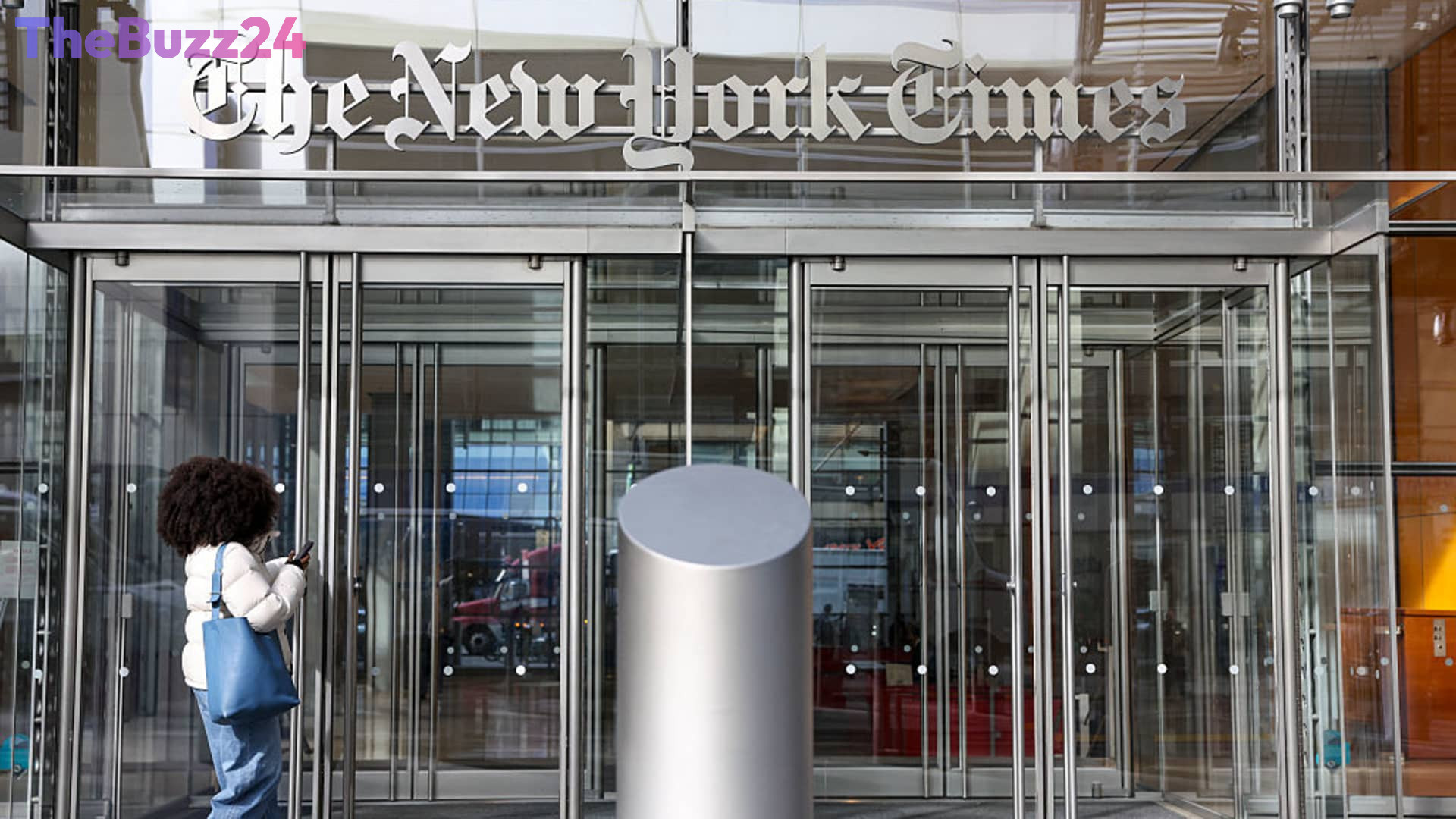
The Department of Justice has withdrawn its subpoenas targeting New York Times reporters who were involved in an article concerning President Donald Trump’s new Air Force One aircraft. Prosecutors informed a federal judge in New York of the decision during a court hearing.
The development occurred in U.S. District Court in Manhattan, where Judge Arun Subramanian was reviewing a motion filed by The Times to quash the subpoenas. The newspaper had previously reported that Trump opted to use the older Air Force One for a flight from Turkey due to security concerns related to escalating hostilities with Iran, rather than utilizing the new Boeing 747-8, which was a donation from Qatar.
Prosecutors had sought grand jury testimony and phone records from the journalists as part of a national security investigation into the alleged leak of sensitive information. However, Judge Subramanian indicated he was prepared to quash the subpoenas himself if the DOJ did not voluntarily withdraw them. The judge later issued an order confirming the DOJ’s voluntary withdrawal, noting that the department committed to seeking court approval in advance if it decided to reissue the subpoenas.
The subpoenas, issued in July, had drawn criticism from The Times, with its deputy general counsel stating that the government’s actions were an unwarranted intrusion on press freedom. The DOJ, in response, defended its actions, asserting the importance of grand jury testimony in national security investigations and expressing frustration with the judge’s intervention, which they argued hindered their investigation into the leak of classified information.
Key Takeaways
- The Department of Justice has withdrawn subpoenas issued to New York Times reporters investigating a leak about President Trump's Air Force One.
- A federal judge indicated he would quash the subpoenas, prompting the DOJ's voluntary withdrawal.
- The DOJ stated the investigation into the leak of classified information remains ongoing.
Editor’s Analysis & Impact
This case highlights the ongoing tension between national security investigations and the protection of journalistic sources and reporting. The DOJ’s decision to withdraw the subpoenas, particularly under judicial pressure, suggests a recognition of the legal and public relations risks associated with targeting journalists. While the investigation into the leak continues, the episode underscores the importance of established legal precedents designed to shield the press from undue government intrusion. The outcome may influence future investigative strategies concerning leaks of sensitive information, potentially reinforcing the need for alternative investigative avenues before resorting to measures that could be perceived as press intimidation.
Frequently Asked Questions
Q: Why did the DOJ issue subpoenas to reporters?
A: The Department of Justice issued subpoenas as part of a national security investigation into the leak of sensitive information concerning President Donald Trump's new Air Force One aircraft.
Q: What was the outcome of the court hearing?
A: The Department of Justice voluntarily withdrew its subpoenas after a federal judge indicated he was prepared to quash them, stating the DOJ had not exhausted other investigative options first.
Q: Will the investigation into the leak continue?
A: Yes, the DOJ has stated that the investigation into the leak of classified information remains ongoing.
AI Disclosure: This article is based on verified data and official reports. Our Team and AI have cross-referenced every financial detail with primary sources to ensure total accuracy.
More from this Category