NASA’s CAPSTONE 02 Mission to Advance Lunar Infrastructure and Deep Space Navigation
NASA is actively collaborating with industry partners to develop the next generation of cislunar infrastructure, a critical step for the agency’s ambitious Artemis program and the establishment of a future Moon Base. Under a contract awarded to Advanced Space, the upcoming CAPSTONE 02 mission is set to demonstrate vital capabilities including rendezvous and proximity operations, autonomous navigation, and cislunar communication, while also characterizing the radiation environment around the Moon.
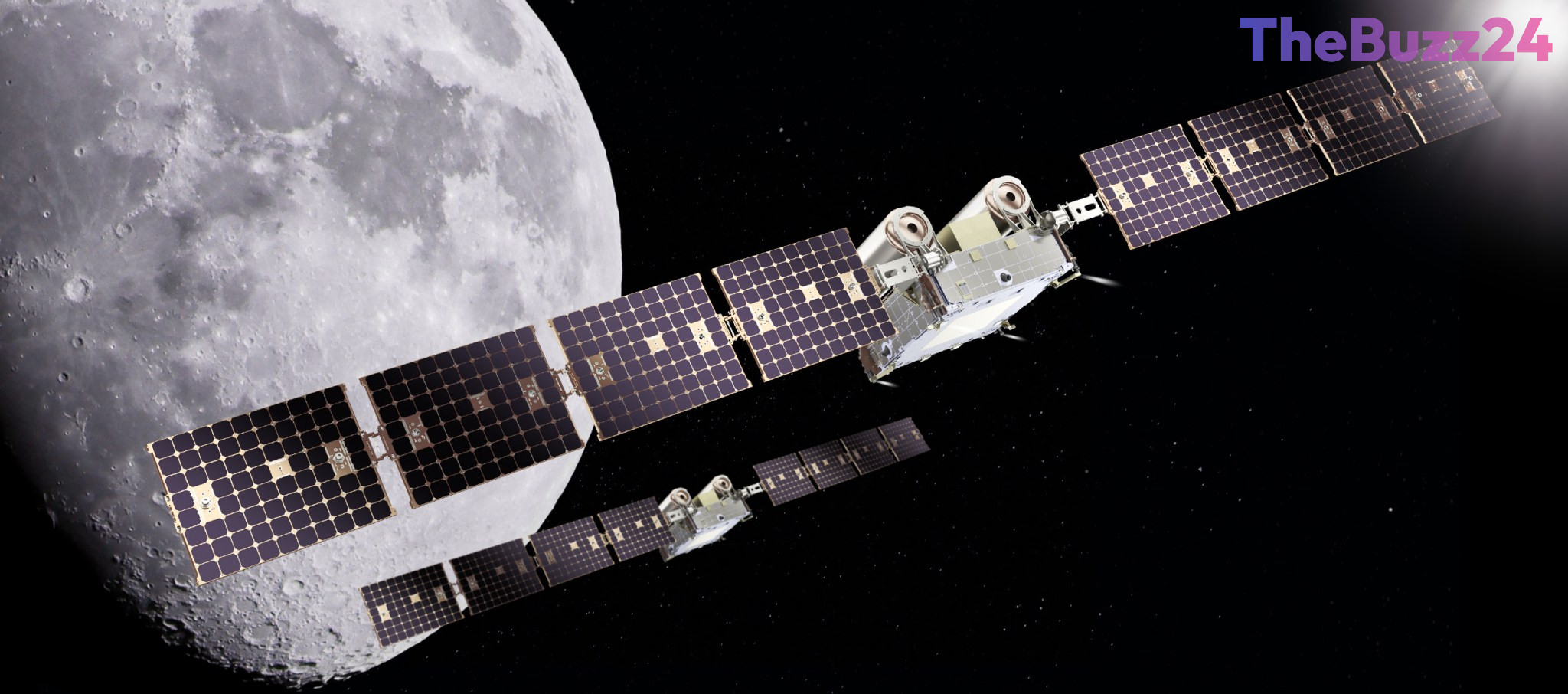
Targeted for launch in 2027, the CAPSTONE 02 mission will deploy two identical small spacecraft into lunar orbit. These spacecraft will facilitate a series of demonstrations designed to support future NASA lunar and deep space endeavors. This mission builds upon the achievements of the original CAPSTONE (Cislunar Autonomous Positioning System Technology Operations and Navigation Experiment), which marked the first U.S. commercial mission to the Moon and successfully operated in a near rectilinear halo orbit. The initial CAPSTONE mission validated crucial communications, networking, and autonomous navigation capabilities, and CAPSTONE 02 will expand on this by transitioning from orbit validation to active demonstrations that will directly inform future lunar exploration and infrastructure development.
The CAPSTONE 02 mission will specifically focus on advanced relative navigation technologies essential for rendezvous and proximity operations in cislunar space. These sophisticated techniques are vital for enabling NASA astronauts to safely dock with Moon landers in lunar orbit, facilitating secure crew transfers to and from the lunar surface. The demonstration will involve two 400-kilogram (882-pound) spacecraft, supplied by Terran Orbital Systems, Inc. Mission operators will conduct a series of rendezvous, proximity operations, and formation flying maneuvers in lunar orbit to gain a deeper understanding of spacecraft trajectories under the simultaneous gravitational influence of Earth and the Moon, known as three-body orbits.
Beyond navigation, CAPSTONE 02 will serve as an operational testbed for three NASA-developed navigation software suites. The spacecraft will utilize ground tracking, optical sensors, and celestial bodies for precise positioning and rendezvous. Each spacecraft can alternate between ‘chaser’ and ‘target’ roles, allowing for comprehensive testing across various cislunar environmental conditions. An optical imaging payload from Lawrence Livermore National Laboratory will support navigation demonstrations and capture lunar imagery. The mission aims to automate routine navigation tasks, reduce reliance on Earth-based data, and enable new mission concepts through enhanced inter-satellite coordination, all within a cost-effective and rapidly deployable framework. Sean Fuller, Moon Base CAPSTONE manager, emphasized that this mission represents a significant step in maturing cislunar capabilities, laying the groundwork for lunar infrastructure and commercial services supporting Artemis and future deep space missions. The mission is funded by NASA’s Human Spaceflight Mission Directorate with support from the Research and Technology Mission Directorate and managed by Small Spacecraft & Distributed Systems at NASA’s Ames Research Center.
Key Takeaways
- CAPSTONE 02, launching in 2027, will demonstrate advanced cislunar navigation, rendezvous, and communication technologies crucial for NASA's Artemis program and future Moon Base.
- The mission builds upon the success of the original CAPSTONE, focusing on active demonstrations like sophisticated relative navigation for docking and understanding complex three-body orbits.
- It will serve as an in-space testbed for NASA-developed software, utilizing two Terran Orbital spacecraft to automate tasks, reduce Earth-reliance, and establish scalable lunar infrastructure.
Editor’s Analysis & Impact
The CAPSTONE 02 mission represents a pivotal advancement for the burgeoning cislunar economy and the broader space industry. By validating advanced navigation and rendezvous technologies in deep space, it significantly de-risks future complex lunar operations, such as orbital assembly, refueling, and crew transfers. This creates new opportunities for commercial partners like Terran Orbital and Advanced Space, fostering a market for specialized cislunar services and hardware. The mission’s focus on autonomous systems and reduced reliance on Earth-based tracking points towards a more self-sufficient and scalable model for deep space exploration. This foundational work is critical for establishing a permanent human presence on the Moon and beyond, potentially accelerating the timeline for lunar resource utilization and further scientific discovery, while also inspiring greater private sector investment in the lunar frontier.
Frequently Asked Questions
Q: What is the primary goal of the CAPSTONE 02 mission?
A: The primary goal of the CAPSTONE 02 mission is to demonstrate advanced cislunar capabilities, including rendezvous and proximity operations, autonomous navigation, and cislunar communication, to support NASA's Artemis program and the development of a Moon Base.
Q: How does CAPSTONE 02 differ from the original CAPSTONE mission?
A: While the original CAPSTONE mission validated communications and navigation in a lunar orbit, CAPSTONE 02 expands on this by performing active demonstrations. It will use two spacecraft to test sophisticated relative navigation for docking, conduct formation flying to understand complex three-body orbits, and serve as an in-space testbed for new NASA-developed software.
Q: What companies are involved in the CAPSTONE 02 mission?
A: NASA is partnering with Advanced Space, which was awarded the contract for the mission. Terran Orbital Systems, Inc. is supplying the two identical small spacecraft, and Lawrence Livermore National Laboratory is providing an optical imaging payload.
AI Disclosure: This article is based on verified data and official reports. Our Team and AI have cross-referenced every financial detail with primary sources to ensure total accuracy.
More from this Category