Political Fallout Intensifies in Kyiv Following High-Profile Defence Reshuffle
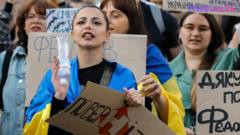
Ukrainian President Volodymyr Zelensky is facing significant political repercussions following his decision to remove popular Defence Minister Mykhailo Fedorov during a recent cabinet reshuffle. Despite efforts to stabilize executive leadership by appointing Maj. Gen. Mykhailo Drapatyi as the new commander-in-chief of the armed forces, public dissatisfaction remains high, particularly among younger citizens who credit Fedorov with accelerating Ukraine’s battlefield technological advances. Demonstrators have taken to the streets in Kyiv, demanding the reinstatement of the former minister.
The political rift has laid bare domestic tensions at a pivotal moment in the conflict with Russia. Fedorov publicly declined alternative government roles offered by Zelensky, asserting that only high-level leadership posts—such as defence minister, commander-in-chief, or president—provide sufficient authority to impact the war effort. While some political figures have criticized Fedorov’s posturing as overly ambitious during wartime, political analysts observe that his dismissal has inadvertently elevated his national profile and boosted his approval ratings.
Despite the political turbulence in the capital, military experts and defense officials emphasize that Ukraine’s operational capabilities on the front lines remain stable. The nation’s military technology sector operates largely through a decentralized network of hundreds of private firms, insulating ongoing drone production and tactical defense networks from administrative changes in Kyiv. Static front lines continue to be secured through effective surveillance and automated systems.
With national focus shifting toward preparations for potential Russian strikes on energy infrastructure ahead of winter, political leaders are under pressure to resolve executive disagreements. Although the leadership struggle presents a challenge to internal cohesion, institutions in Ukraine continue to demonstrate resilience, ensuring that strategic military planning remains undisturbed by domestic political debates.
Key Takeaways
- Public protests persist in Ukraine following President Volodymyr Zelensky's removal of Defence Minister Mykhailo Fedorov.
- Maj. Gen. Mykhailo Drapatyi has been appointed as the new commander-in-chief to stabilize military command.
- Experts report that Ukraine's defense operations and technological initiatives remain stable despite high-level administrative friction.
Editor’s Analysis & Impact
The recent executive reshuffle in Kyiv highlights the delicate balance between maintaining political unity and managing rising leadership figures during a prolonged conflict. While President Volodymyr Zelensky sought to restructure leadership within the defense apparatus, the public reaction underscores strong support for figures associated with technological innovation and anti-corruption reform. However, Ukraine’s operational structure—heavily reliant on horizontal networks of private tech firms and battle-tested field commanders—ensures that core defensive capabilities remain functional. Moving forward, the government must balance internal political management with preparations for seasonal strategic threats, particularly regarding energy security and frontline readiness.
Frequently Asked Questions
Q: Why did President Zelensky remove Mykhailo Fedorov?
A: Fedorov was removed during a cabinet reshuffle aimed at reorganizing defense leadership, though analysts note the move also reflected growing political competition within the administration.
Q: Who was appointed as Ukraine's new military commander-in-chief?
A: Maj. Gen. Mykhailo Drapatyi, a 43-year-old former commander of Ukraine's land forces, was chosen to lead the armed forces.
Q: Will the political reshuffle impact frontline military operations?
A: Defense experts indicate that frontline operations remain unaffected due to the decentralized nature of Ukraine's military-industrial innovation and battlefield management.
AI Disclosure: This article is based on verified data and official reports. Our Team and AI have cross-referenced every financial detail with primary sources to ensure total accuracy.
More from this Category