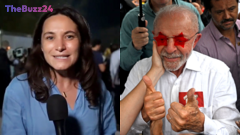
Lula Secures Fourth Term as Brazil’s President in Tight Electoral Battle
Brazil has elected Luiz Inácio Lula da Silva, a prominent left-wing figure, to a fourth term as president, following a closely contested election against right-wing challenger Flávio Bolsonaro. The victory marks a significant political comeback for da Silva, who previously served as president for two terms.
The election campaign was characterized by intense political polarization, with both candidates mobilizing their respective bases. Da Silva’s win signals a shift in the country’s political direction, emphasizing social programs and economic development strategies that have been hallmarks of his previous administrations. His supporters view the outcome as a mandate to address pressing social inequalities and environmental concerns.
Flávio Bolsonaro, the incumbent, conceded the election after a tense vote count that kept the nation on edge. The narrow margin of victory underscores the deep divisions within Brazil’s electorate. Analysts suggest that the incoming administration will face the challenge of unifying a fractured country and navigating complex economic and social issues.
International observers are closely watching the transition of power, with many anticipating a renewed focus on Brazil’s role in global affairs, particularly concerning environmental policies and international trade agreements. President da Silva’s return to office is expected to bring about significant policy changes aimed at bolstering the economy and improving the lives of ordinary Brazilians.
Key Takeaways
- Luiz Inácio Lula da Silva has won a fourth term as Brazil's president, narrowly defeating Flávio Bolsonaro.
- The election outcome highlights significant political polarization within Brazil.
- Da Silva's victory is expected to lead to policy shifts focusing on social programs and economic development.
Editor’s Analysis & Impact
The re-election of Luiz Inácio Lula da Silva represents a pivotal moment for Brazil, signaling a potential recalibration of the nation’s domestic and international policies. His victory, albeit narrow, underscores a populace divided but leaning towards his established platform of social welfare and economic intervention. The market will be keenly observing the implementation of his economic agenda, particularly concerning fiscal policies and potential regulatory changes. Internationally, Brazil’s stance on environmental protection and global trade is likely to evolve, potentially impacting regional dynamics and international climate initiatives. The challenge for da Silva will be to bridge the deep societal divides and deliver on promises amidst economic headwinds.
Frequently Asked Questions
Q: Who won the Brazilian presidential election?
A: Luiz Inácio Lula da Silva won the Brazilian presidential election, securing his fourth term as president.
Q: Who was the main opponent in the election?
A: The main opponent in the election was the incumbent president, Flávio Bolsonaro.
Q: What does Lula's victory signify for Brazil?
A: Lula's victory signifies a return to his previous political platform, emphasizing social programs and economic development, and indicates a potential shift in Brazil's domestic and international policies.
AI Disclosure: This article is based on verified data and official reports. Our Team and AI have cross-referenced every financial detail with primary sources to ensure total accuracy.
More from this Category