The Growing Backlash: How an Unlikely Coalition of Skeptics is Challenging the AI Boom
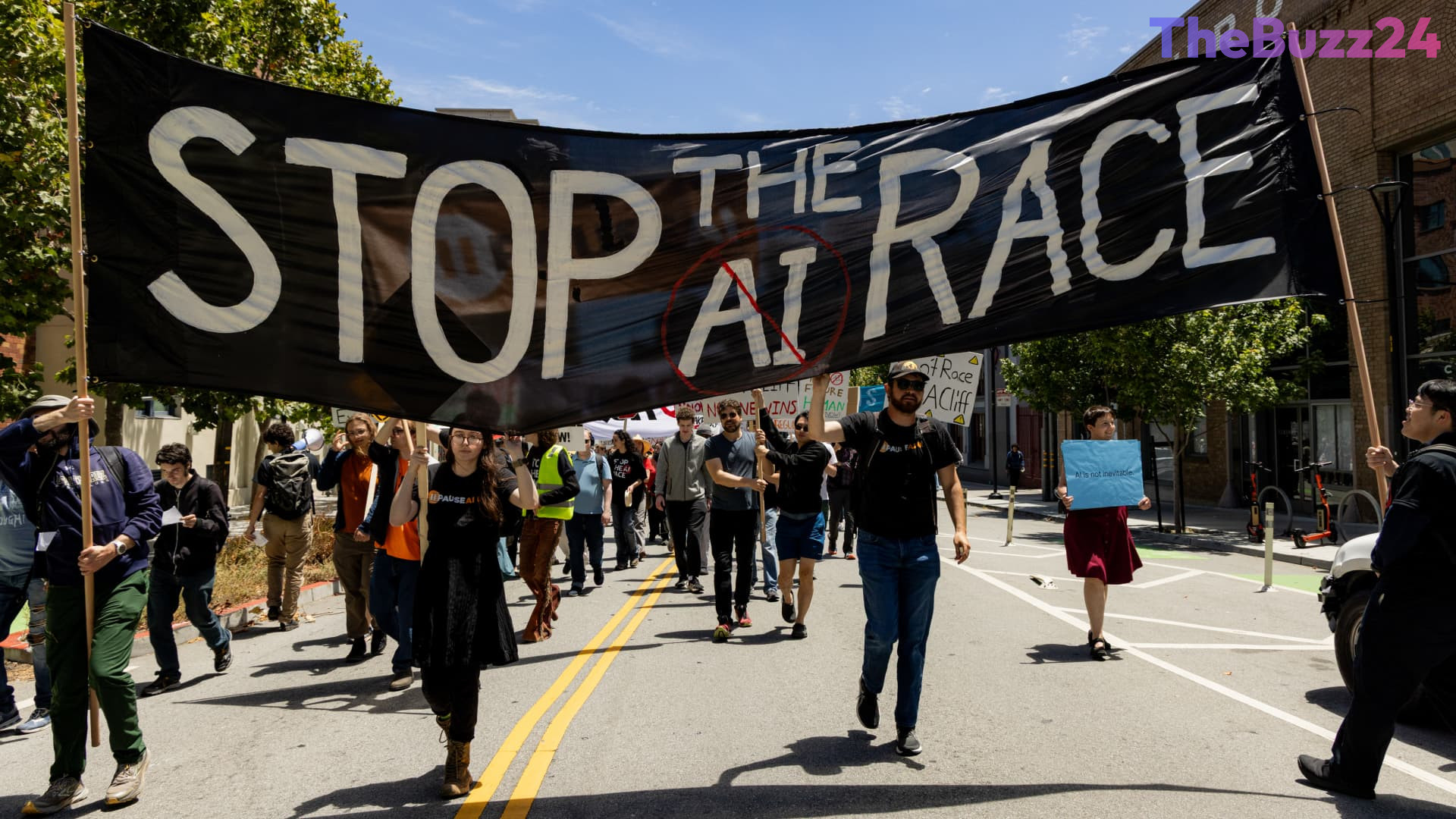
The rapid expansion of artificial intelligence and its infrastructure is sparking an unexpected political backlash across the United States. While political leaders, including President Donald Trump, have actively encouraged local governments to embrace massive AI data centers, a diverse coalition of religious leaders, labor unions, and grassroots activists is raising alarms. This emerging alliance is demanding stronger federal oversight, warning that the unchecked growth of AI could exacerbate economic inequality and strain local resources.
President Trump recently urged governors and local officials to capitalize on the financial opportunities of data center development, arguing that resisting the technology is futile. To ease public concern over rising utility bills, tech giants like OpenAI and Oracle have pledged not to drive up electricity prices. However, critics argue these promises offer mere political cover while the long-term costs of upgrading the nation’s aging power grid remain unresolved. For many everyday Americans, the promise of wealth from the tech boom feels distant, overshadowed by fears of job displacement and corporate consolidation.
The skepticism spans traditional political divides, uniting groups that rarely find common ground. Walter Kim, president of the National Association of Evangelicals, recently echoed warnings from Pope Leo XIV, cautioning that relying too heavily on AI in critical sectors like healthcare, education, and defense risks removing essential human judgment. Meanwhile, labor leaders are demanding that workers’ rights take precedence over algorithms. Liz Shuler, president of the AFL-CIO, and Sean O’Brien, head of the International Brotherhood of Teamsters, have both emphasized that future political support will depend on how candidates address the impact of automation on the workforce.
This resistance is also manifesting at the local level, where the construction of energy-intensive data centers is facing widespread public opposition. Recent polling indicates that a majority of registered voters—including a significant portion of conservative Republicans and liberal Democrats—oppose local data center development. As states like New York consider moratoriums on these facilities under leaders like Gov. Kathy Hochul, the growing friction between rapid technological advancement and community pushback is shaping up to be a critical issue in upcoming elections.
Key Takeaways
- An unexpected coalition of evangelical leaders, labor unions, and local activists is demanding stricter regulation and oversight of artificial intelligence.
- While political figures urge local governments to embrace data centers for economic gain, public skepticism remains high regarding utility costs and job security.
- Opposition to local data center construction transcends traditional party lines, with majorities of both conservative and liberal voters expressing concern over their local impact.
Editor’s Analysis & Impact
The emerging resistance to rapid AI expansion highlights a growing disconnect between Silicon Valley’s ambitions and public sentiment. While tech companies and certain policymakers view data centers as essential infrastructure for the future economy, local communities see them as environmental and financial burdens. This friction is forcing a shift in the political landscape. Labor unions are leveraging their influence to demand worker protections against automation, while religious and grassroots groups are framing AI oversight as a moral and social necessity. For the tech sector, this means the era of frictionless growth is likely ending. Companies will face stricter regulatory scrutiny, more demanding community negotiations, and potential legislative hurdles, such as data center moratoriums. To succeed long-term, the AI industry must move beyond corporate pledges and actively demonstrate tangible, equitable benefits for local communities.
Frequently Asked Questions
Q: Why are local communities opposing AI data centers?
A: Many residents and local activists worry that the massive energy demands of data centers will strain local power grids, leading to higher electricity bills and environmental concerns.
Q: How are labor unions responding to the rise of AI?
A: Labor organizations, including the AFL-CIO and the Teamsters, are demanding that technological advancement does not come at the expense of workers. They are pushing for policies that prioritize human employment and give workers a voice in how AI is integrated into the workplace.
Q: What political challenges does the AI backlash present?
A: The backlash creates a unique challenge for politicians who champion tech growth. Because skepticism toward AI and data centers cuts across party lines, failing to address public concerns about job security and utility costs could alienate key voting blocs.
AI Disclosure: This article is based on verified data and official reports. Our Team and AI have cross-referenced every financial detail with primary sources to ensure total accuracy.
More from this Category