Israel Heads to Historic Polls Amid Prolonged Regional Conflict and Political Uncertainty
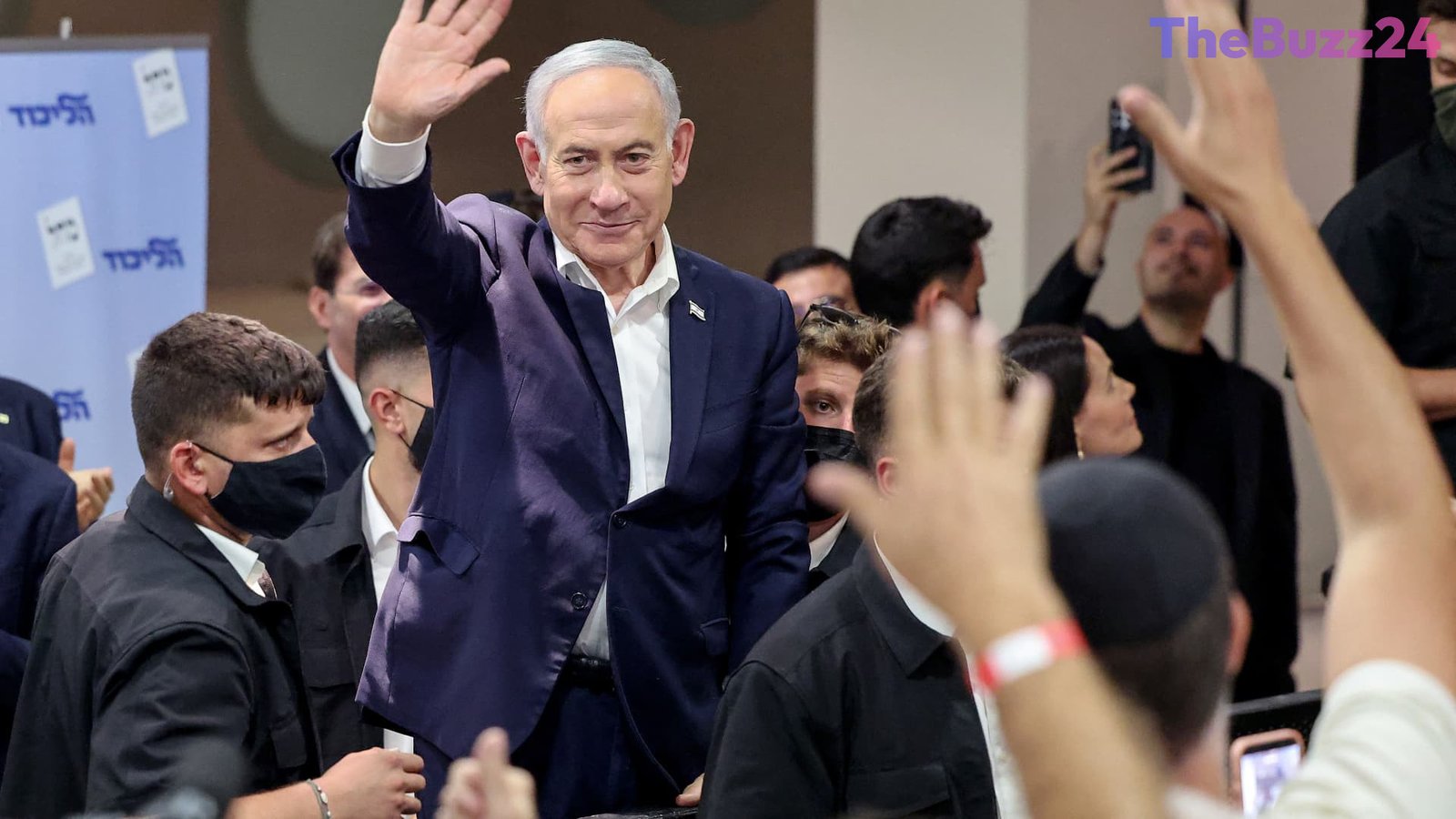
Israel is holding its first general election since the outbreak of the devastating conflict with Hamas and the subsequent military engagements involving Iran. The high-stakes vote is unfolding under the heavy shadow of national security concerns, economic strain, and deep societal divisions, with recent polling indicating that neither Prime Minister Benjamin Netanyahu’s right-wing bloc nor the centrist opposition is projected to secure the crucial 61-seat majority required in the Knesset.
Because the nation operates under a system of proportional representation where outright majorities are historically rare, forming a government necessitates complex coalition-building. This dynamic places immense political leverage on smaller faction parties, including ultra-Orthodox and Arab groups. The current electoral landscape is largely viewed as a referendum on Netanyahu’s long-standing leadership, particularly regarding his handling of the multi-front military campaigns, soaring defense expenditures, and the contentious debate surrounding military conscription exemptions for ultra-Orthodox men.
Key issues dominating the campaign trail include the severe financial toll of the prolonged conflicts—with military spending consuming a significant portion of the gross domestic product—and the heavy reliance on civilian reservists. While Netanyahu’s supporters rally behind his extensive political experience and uncompromising defense posture, critics point to past intelligence failures and the urgent need for restored public trust. Meanwhile, opposing factions led by centrist figures advocate for revised strategic approaches to regional adversaries and greater equity in national service duties, though foreign policy stances regarding core security issues remain broadly hawkish across the political spectrum.
Key Takeaways
- Israel is holding its first election since the October 2023 Hamas attacks and subsequent military conflicts in the region.
- Recent polls indicate neither Netanyahu's bloc nor the opposition will secure the 61 Knesset seats needed for an outright majority, making smaller parties pivotal.
- Key campaign issues include national security, the economic burden of high military spending, and the controversial conscription of ultra-Orthodox citizens.
Editor’s Analysis & Impact
The upcoming Israeli election carries profound implications not only for domestic governance but also for regional stability and international diplomacy. The intersection of prolonged military campaigns, staggering defense spending, and severe societal exhaustion has created an exceptionally volatile political climate. While a shift in government leadership could introduce subtle stylistic changes in foreign policy and economic management, the overarching security imperatives regarding regional adversaries like Iran and Hamas are likely to remain firmly entrenched. Investors and international partners should monitor coalition negotiations closely, as the composition of the next governing body will dictate Israel’s strategic trajectory for years to come, influencing everything from domestic labor markets to foreign defense alliances.
Frequently Asked Questions
Q: How does the Israeli parliamentary election system work?
A: Israelis vote for political parties rather than individual candidates. The 120 seats in the Knesset are allocated through proportional representation to parties that cross the 3.25% vote threshold. Because majorities are rare, parties must form governing coalitions.
Q: What are the primary issues shaping this election?
A: The main issues include national security in the wake of the ongoing regional conflicts, the heavy economic cost of high military spending, the conscription of ultra-Orthodox men, and public trust in government leadership.
Q: Are Arab parties expected to join the next government coalition?
A: Historically, Arab parties have rarely joined governing coalitions, and most major Jewish parties have ruled out formal alliances with them in the current election cycle, despite Arab citizens making up over 20% of the population.
AI Disclosure: This article is based on verified data and official reports. Our Team and AI have cross-referenced every financial detail with primary sources to ensure total accuracy.
More from this Category