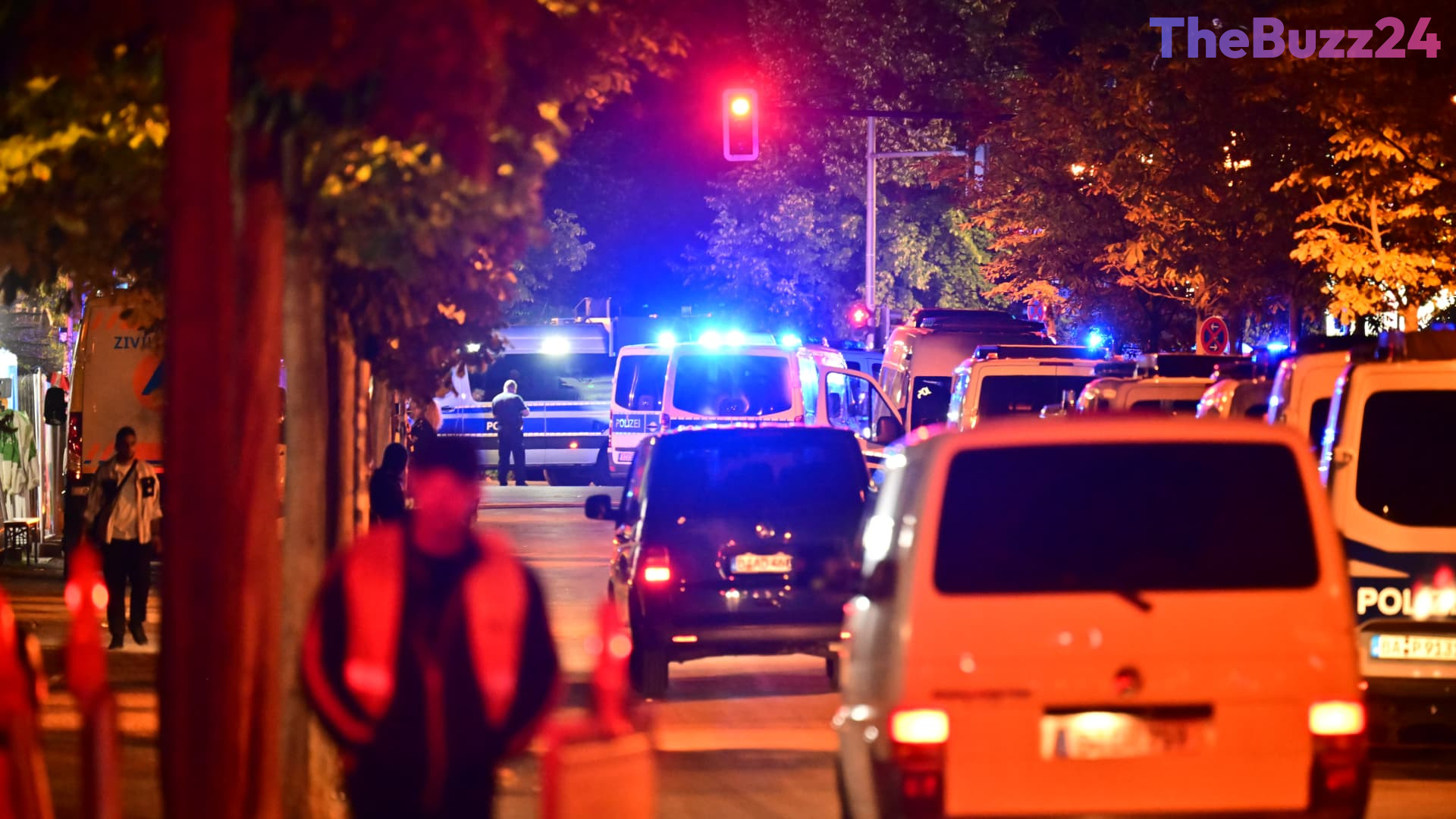
Berlin Authorities Label Deadly Pride Event Vehicle Attack an Act of Terrorism
German authorities have officially classified a deadly vehicle-ramming incident near a major Berlin Pride celebration as a terrorist attack. The incident occurred late Saturday night in the Tiergarten park, near the Brandenburg Gate, where a white minivan struck a crowd of pedestrians. The attack resulted in one fatality and left 29 others injured, with eight individuals sustaining serious wounds and three remaining in life-threatening condition.
Police have identified the primary suspect as a 19-year-old man of Lebanese descent, born in Germany, known to authorities for his radicalization and previous criminal history. Intelligence reports indicate the suspect had prior contact with the Islamic State and had been monitored as a potentially dangerous individual, having only been released from juvenile detention two months before the attack. A massive manhunt is currently underway, with officials warning the public that the suspect is considered armed and dangerous.
In the wake of the tragedy, organizers of the Christopher Street Day Pride event canceled all remaining festivities. While investigators are still determining whether the suspect acted alone, reports suggest that multiple individuals may have exited the vehicle following the crash. The incident has intensified political pressure on the current coalition government, particularly as the nation approaches state elections where security and immigration have become central campaign issues for opposition parties.
Key Takeaways
- A vehicle-ramming attack near a Berlin Pride event has been officially classified as an act of Islamist terrorism.
- The identified suspect is a 19-year-old with a history of radicalization and prior ties to the Islamic State.
- The attack has resulted in one death and 29 injuries, prompting the cancellation of remaining Pride festivities and heightening political tensions ahead of upcoming elections.
Editor’s Analysis & Impact
The classification of this incident as a terrorist attack by the German government underscores the persistent threat posed by radicalized individuals who are already known to intelligence services. This event creates a significant political challenge for the current administration, as it provides fuel for far-right opposition groups like the AfD to criticize existing immigration and security policies ahead of critical state elections. From a market and social perspective, such attacks often lead to increased surveillance measures, stricter public space security protocols, and a potential shift in public sentiment regarding integration policies. The broader implication is a continued strain on the social fabric of Germany, as the government must balance civil liberties with the urgent demand for enhanced public safety, likely leading to a more polarized political environment in the coming months.
Frequently Asked Questions
Q: What is the current status of the suspect?
A: The suspect, identified as Abdul B, is currently the subject of an active police manhunt. Authorities have warned the public not to approach him as he is considered armed and dangerous.
Q: How has the government responded to the attack?
A: The German government has officially labeled the incident a terrorist attack, citing the suspect's known history of radicalization and links to the Islamic State.
AI Disclosure: This article is based on verified data and official reports. Our Team and AI have cross-referenced every financial detail with primary sources to ensure total accuracy.
More from this Category