Democrats Eye House Majority as Midterm Countdown Hits 100 Days
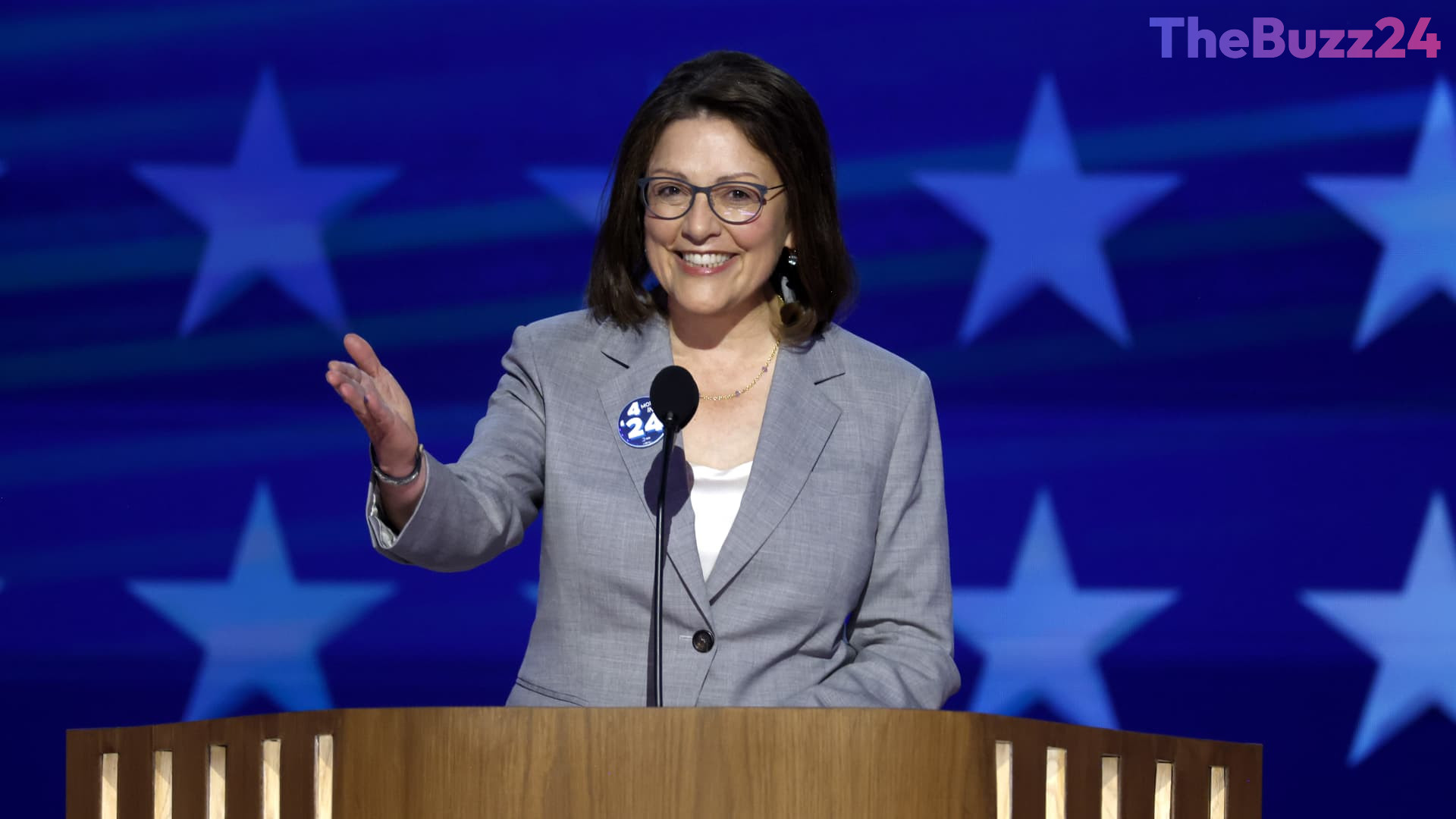
With exactly 100 days remaining until the midterm elections, the Democratic Congressional Campaign Committee (DCCC) is signaling confidence in its strategy to reclaim the House of Representatives. Chair Suzan DelBene has emphasized that the party’s primary focus remains on the cost-of-living crisis, aiming to contrast Democratic policy priorities with the economic platform of Donald Trump and the Republican Party. Despite a challenging political landscape, party leadership maintains that their candidates are well-positioned to address voter concerns regarding housing, healthcare, and energy costs.
While polling data suggests a narrow lead for Democrats on generic ballots, the party faces significant headwinds, including persistent inflation, fundraising gaps, and internal friction regarding primary endorsements. Recent losses for DCCC-backed candidates in key districts have sparked debate over the organization’s involvement in contested primaries. Furthermore, the party must navigate the influence of its progressive wing, which has successfully challenged several incumbents, creating a complex ideological landscape for leadership to manage as they seek to build a unified front.
Republicans, meanwhile, are banking on a favorable electoral map and a strong fundraising advantage to maintain their narrow control of the House. The National Republican Campaign Committee has dismissed Democratic narratives, pointing to the party’s internal divisions and a platform they characterize as overly radical. As both parties prepare for the final stretch, the battle for control will likely hinge on which side can more effectively mobilize voters in swing districts and overcome the structural challenges posed by recent redistricting efforts in states like Texas and Florida.
Key Takeaways
- Democrats are centering their midterm strategy on affordability and cost-of-living issues to win back the House.
- The party faces internal challenges, including debates over primary endorsements and managing a diverse ideological coalition.
- Republicans are leveraging a fundraising advantage and a favorable electoral map to defend their narrow majority.
Editor’s Analysis & Impact
The 100-day mark serves as a critical inflection point for the upcoming midterms, highlighting the volatility of the current political climate. The Democratic strategy of focusing on ‘affordability’ is a direct response to voter sentiment, yet it remains to be seen if this message can overcome the structural hurdles of redistricting and the party’s own internal ideological tensions. The rise of progressive candidates suggests a potential shift in the party’s future legislative agenda, which could complicate efforts to maintain a cohesive caucus if they regain power. Conversely, the Republican reliance on fundraising and a favorable map assumes that economic dissatisfaction will remain the primary driver for voters. The outcome will likely be determined by turnout in key swing districts, where the ‘anti-establishment’ sentiment on both sides of the aisle could lead to unpredictable results.
Frequently Asked Questions
Q: What is the primary campaign focus for Democrats heading into the midterms?
A: Democrats are primarily focusing on the cost-of-living crisis, specifically targeting voter concerns regarding housing, food, healthcare, and energy prices.
Q: What are the main obstacles facing the Democratic Party in this election cycle?
A: The party is contending with fundraising disadvantages, internal debates over primary endorsements, persistent inflation, and newly drawn congressional districts that favor Republican candidates.
AI Disclosure: This article is based on verified data and official reports. Our Team and AI have cross-referenced every financial detail with primary sources to ensure total accuracy.
More from this Category