Supreme Court Urged to Intervene in Battle Over Mail-In Voting Restrictions
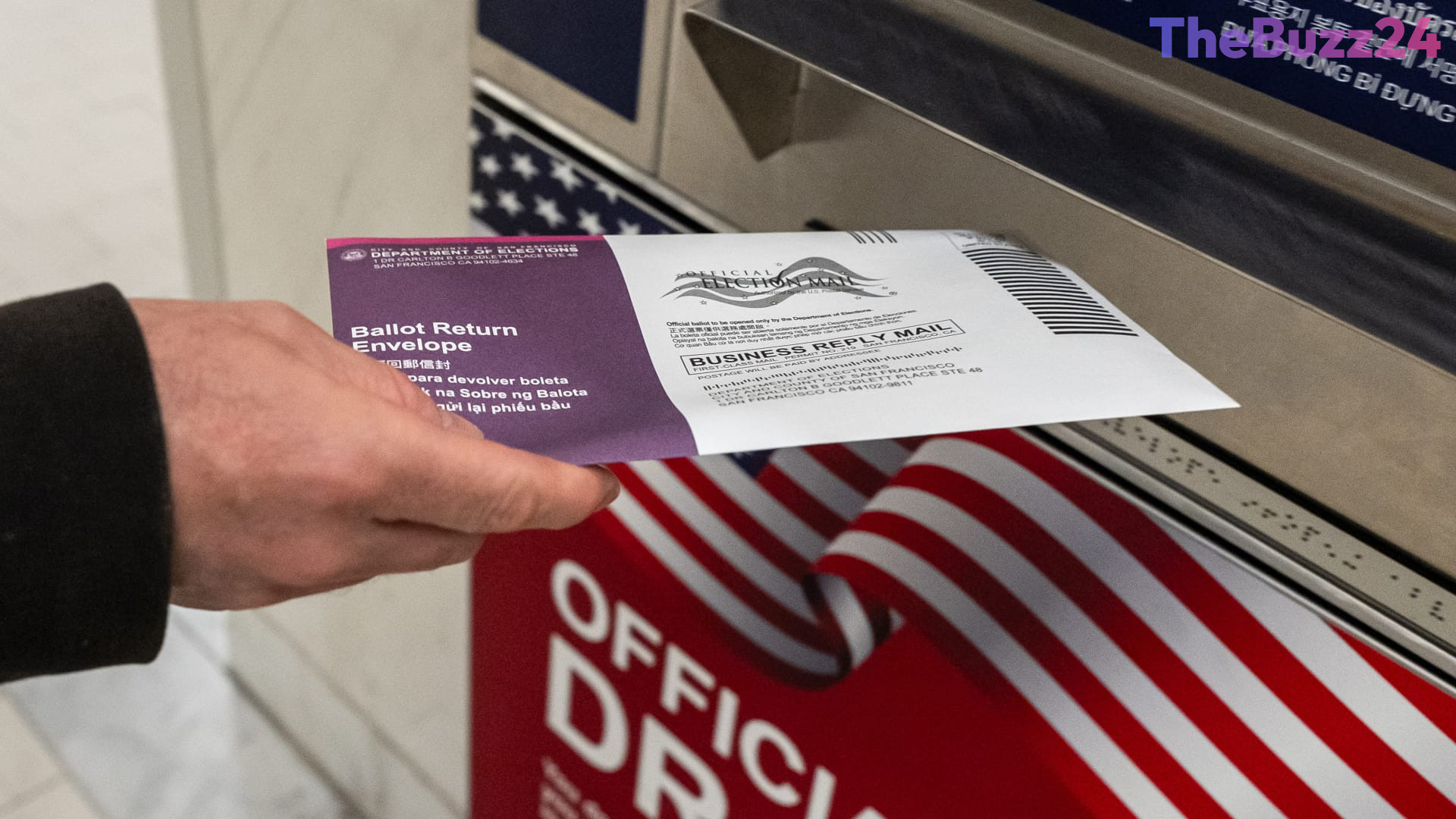
The federal government has petitioned the Supreme Court to allow the enforcement of new mail-in voting restrictions, escalating a high-stakes legal battle just months before the upcoming midterm elections. The administration is seeking to overturn a federal appeals court ruling that currently blocks the implementation of an executive order issued earlier this year. That order mandates that federal agencies develop voter eligibility lists and authorizes the U.S. Postal Service to reject ballots that do not align with these newly established criteria.
A coalition of 23 states successfully challenged the directive in lower courts, arguing that the federal government lacks the constitutional authority to impose such sweeping regulations on state-administered elections. The 1st U.S. Circuit Court of Appeals recently upheld an injunction against the policy, noting that the federal intervention risks creating significant confusion and potential voter disenfranchisement. The court emphasized that states are already under pressure to prepare for election logistics, and the federal mandate would represent an unprecedented level of intrusion into local election management.
While the administration maintains that these measures are essential safeguards against illegal voting, critics and voting-rights advocates contend that the rules are designed to obstruct eligible citizens from casting their ballots. The legal landscape remains fragmented, as a separate ruling in Washington, D.C., has left the door open for the Postal Service to potentially enforce these restrictions in jurisdictions not covered by the current injunction. As the Supreme Court considers the emergency request, the case highlights the ongoing tension between federal oversight and the traditional state-led administration of American elections.
Key Takeaways
- The federal government has asked the Supreme Court to lift an injunction blocking new mail-in voting restrictions.
- A coalition of 23 states is fighting the order, citing constitutional concerns over federal interference in state-run elections.
- The legal dispute centers on whether federal agencies have the authority to mandate voter eligibility lists and restrict Postal Service ballot handling.
Editor’s Analysis & Impact
This legal challenge represents a critical flashpoint in the broader debate over election integrity versus voter access. By attempting to centralize aspects of election administration through executive action, the administration is testing the limits of federal authority under the Constitution, which traditionally grants states primary control over voting procedures. The Supreme Court’s decision will have immediate implications for the upcoming midterm elections, potentially creating a patchwork of voting rules across the country. If the court sides with the administration, it could set a precedent for increased federal involvement in future election cycles. Conversely, a rejection would reinforce the autonomy of state election officials and likely embolden critics who view these measures as politically motivated attempts to suppress turnout.
Frequently Asked Questions
Q: Why are states challenging the federal mail-in voting order?
A: States argue that the Constitution grants them the primary authority to administer elections and that federal intervention creates unnecessary confusion and risks disenfranchising eligible voters.
Q: Does the current injunction apply to all states?
A: No, the current injunction from the 1st U.S. Circuit Court of Appeals applies only to the 23 states involved in that specific lawsuit, leaving the legal status of these rules inconsistent across the country.
AI Disclosure: This article is based on verified data and official reports. Our Team and AI have cross-referenced every financial detail with primary sources to ensure total accuracy.
More from this Category