U.S.-China AI Rivalry Escalates to Diplomatic Front as Leaders Prepare for Summit
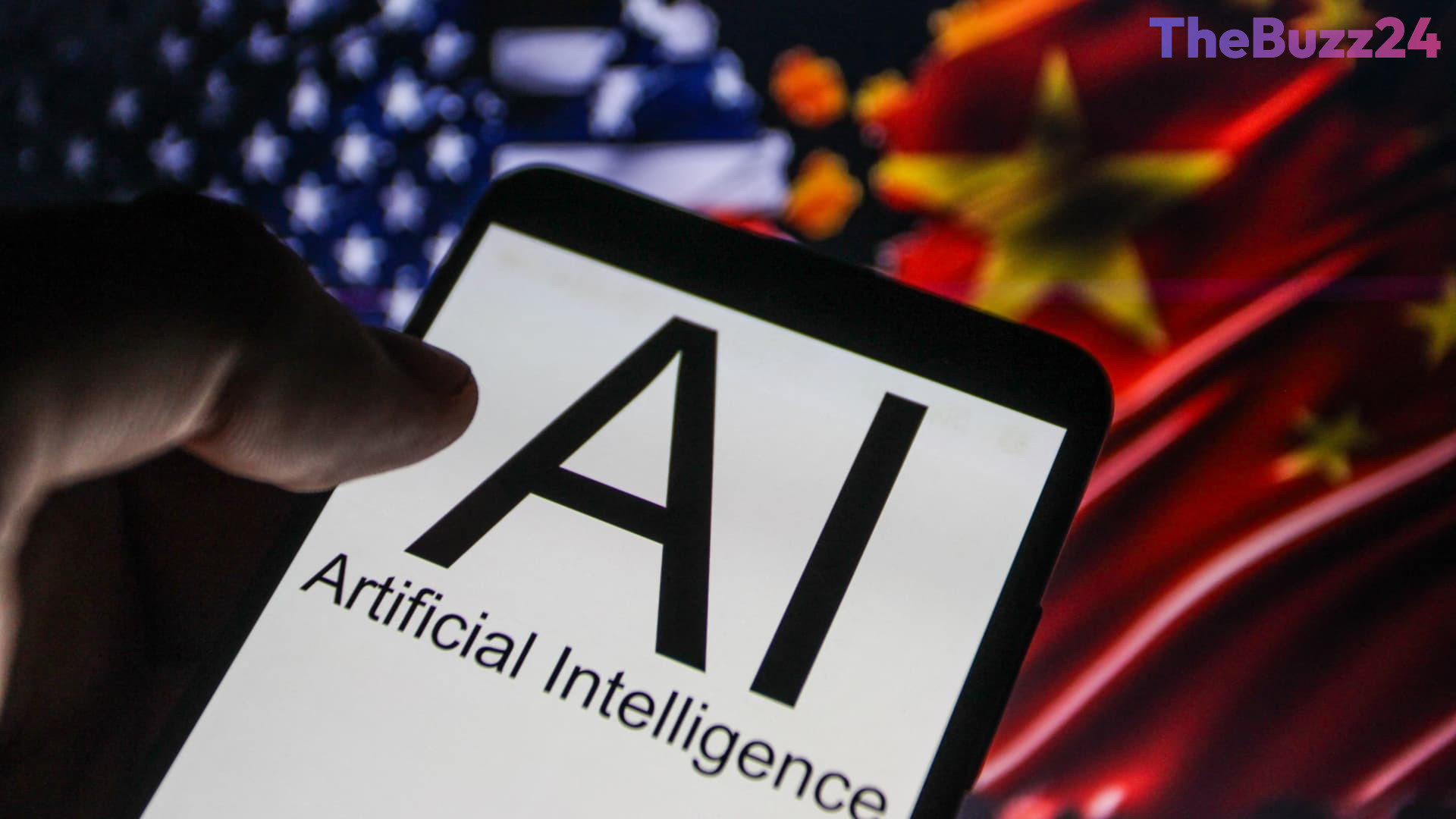
The global landscape of artificial intelligence is increasingly defined by a burgeoning rivalry between the United States and China, a dynamic now extending beyond economic competition into the realm of international diplomacy. Beijing is actively leveraging its rapidly advancing AI capabilities not only for domestic innovation but also as a tool to expand its global influence. This escalating technological competition is set to reach a critical juncture with an anticipated discussion on AI between U.S. President Donald Trump and Chinese President Xi Jinping in September.
China’s AI sector is undergoing a significant transformation, marked by the release of powerful new open-source models like Kimi K3 and GLM 5.2. These developments have intensified a debate within Washington regarding the appropriate response to Chinese open-weight models. Prominent figures, including Nvidia’s Jensen Huang and over 20 other tech leaders, have voiced concerns against “premature restrictions,” emphasizing the commercial interdependence between the two nations. Venture capitalists like Lex Zhao of One Way Ventures highlight that many American startups rely on Chinese AI models, underscoring the complex web of collaboration and competition.
Despite U.S. restrictions on access to advanced semiconductors, which have constrained China’s computing power, the nation is aggressively investing in domestic capabilities, with companies like Z.ai reportedly scaling up massive data centers. This push comes as Chinese AI releases continue at a rapid pace, leading some Americans, according to a Pew Research survey, to believe China is more advanced in AI development. Concurrently, Beijing is actively using AI as a new diplomatic instrument, hosting major events like the World AI Conference and APEC Digital Weeks, where global tech officials, including those from the U.S., have gathered to discuss the future of the technology.
The intricate relationship is further illustrated by instances such as Hugging Face utilizing Z.ai’s GLM 5.2 to counter a cyberattack, and U.S. startup Thinking Machines Lab incorporating DeepSeek and Kimi into its own development. These examples underscore the argument for open-source collaboration, even amidst claims of intellectual property concerns. As APEC representatives advocate for open-source AI models with robust security, the path forward for U.S.-China AI relations remains uncertain. Experts suggest that businesses should adopt flexible systems capable of switching between different models, acknowledging that as Chinese AI models continue to improve and proliferate, their integration into global tech ecosystems may become increasingly unavoidable.
Key Takeaways
- The U.S. and China are increasingly engaged in a diplomatic and technological rivalry over artificial intelligence, with an upcoming summit between Presidents Trump and Xi expected to address the issue.
- China is rapidly advancing its open-source AI models and leveraging AI for foreign influence, despite U.S. semiconductor restrictions, while also investing heavily in domestic computing power.
- A significant debate exists within the U.S. regarding restrictions on Chinese AI, with many American startups relying on these models, highlighting a complex commercial interdependence.
Editor’s Analysis & Impact
The escalating U.S.-China AI competition signals a pivotal shift in global technology and geopolitics. The market impact is multifaceted: U.S. restrictions aim to slow China’s progress but inadvertently foster domestic innovation and self-reliance in Beijing. The reliance of American startups on Chinese open-source models creates a delicate balance, making outright bans difficult and potentially detrimental to U.S. innovation. Future outlook suggests continued investment in AI by both nations, with a likely bifurcation of the global AI ecosystem. Broader implications include increased diplomatic tension, a race for AI talent and infrastructure, and the potential for AI to become a central tool in international relations, influencing alliances and global power dynamics beyond traditional economic measures.
Frequently Asked Questions
Q: What is the primary concern regarding China's AI advancements?
A: The primary concern is China's rapid development of AI capabilities and its increasing use of this technology to expand its foreign influence and diplomatic reach, potentially challenging the U.S.'s technological leadership.
Q: How are U.S. companies reacting to Chinese open-source AI models?
A: Many U.S. startups are actively using Chinese open-source AI models, leading to a debate within the U.S. government and tech community about the balance between national security concerns and the benefits of open-source collaboration and commercial interdependence.
Q: What is the significance of the upcoming meeting between President Trump and President Xi regarding AI?
A: The planned discussion between President Trump and President Xi in September is significant because it marks a high-level diplomatic engagement on AI, indicating that the technological rivalry has become a central issue in U.S.-China relations, potentially shaping future policies and collaborations or adversarial stances.
AI Disclosure: This article is based on verified data and official reports. Our Team and AI have cross-referenced every financial detail with primary sources to ensure total accuracy.
More from this Category