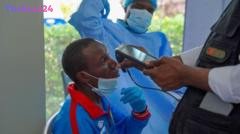
DR Congo Ebola Outbreak Surpasses 5,000 Fatalities in Deadliest Epidemic
The Democratic Republic of Congo is grappling with its most devastating Ebola epidemic to date, with official figures indicating that over 5,000 lives have been lost. The ongoing outbreak, which began in May, has now spread across eight of the nation’s 26 provinces, resulting in more than 10,300 confirmed cases. Public health authorities declared this outbreak the country’s deadliest in history back in August, and the current case fatality rate stands at a concerning 48.6%.
The epicenter of the epidemic remains concentrated in the northeastern province of Ituri, a region unfortunately plagued by conflict. This volatile environment significantly complicates containment efforts, hindering the ability of health organizations to reach affected populations and implement necessary control measures. The virus has also made its way into neighboring countries, with cases reported in Kenya, Nigeria, and Uganda, underscoring the regional threat posed by the outbreak.
This marks the 17th Ebola outbreak recorded in the Democratic Republic of Congo’s history, and it has already become the second largest globally. The World Health Organization (WHO) has emphasized the critical need for intensified control measures, improved access to affected areas, and robust community engagement to bring the epidemic to an end. While testing, treatment, and clinical trials for vaccines are underway, the specific strain responsible for this outbreak, the Bundibugyo species, currently lacks a dedicated treatment or vaccine.
The challenges in combating this outbreak are compounded by significant safety concerns for healthcare workers. Reports indicate that some health professionals and even a politician have faced attacks while responding to the crisis. These incidents, including the killing of a nurse and the injury of another health worker, along with the assault of a politician advocating for preventative measures, highlight the dangerous environment in which vital public health efforts are being conducted. Such violence not only endangers those on the front lines but also erodes community trust and impedes the overall response.
Key Takeaways
- Over 5,000 people have died in the Democratic Republic of Congo's deadliest Ebola outbreak, with more than 10,300 cases recorded.
- The outbreak's epicenter is in the conflict-ridden Ituri province, complicating containment efforts.
- Healthcare workers are facing attacks and violence, hindering the response to the epidemic.
Editor’s Analysis & Impact
This escalating Ebola outbreak in the Democratic Republic of Congo presents a grave public health crisis with significant regional implications. The high fatality rate and the spread to neighboring countries underscore the urgency of international intervention and robust containment strategies. The challenges posed by conflict zones and the alarming violence against healthcare workers highlight the complex interplay of health, security, and socio-economic factors in disease management. Future efforts must prioritize not only medical response but also community engagement, security for aid workers, and the development of targeted treatments for the specific viral strain. The global community’s coordinated response will be crucial in preventing further loss of life and containing this devastating epidemic.
Frequently Asked Questions
Q: What is the current case fatality rate for this Ebola outbreak?
A: The current case fatality rate for this ongoing Ebola outbreak in the Democratic Republic of Congo is 48.6%.
Q: Which strain of Ebola is causing this outbreak, and is there a specific treatment?
A: The Bundibugyo species is behind the current outbreak. Currently, there is no specific treatment or vaccine available for this particular strain.
Q: Has Ebola spread to other countries from this outbreak?
A: Yes, cases have been confirmed in Kenya, Nigeria, and Uganda. While Uganda and Kenya have reported cases, Nigeria has also identified suspected cases.
AI Disclosure: This article is based on verified data and official reports. Our Team and AI have cross-referenced every financial detail with primary sources to ensure total accuracy.
More from this Category