US Generates Over $13 Billion from Venezuelan Oil Sales Post-Maduro Ouster
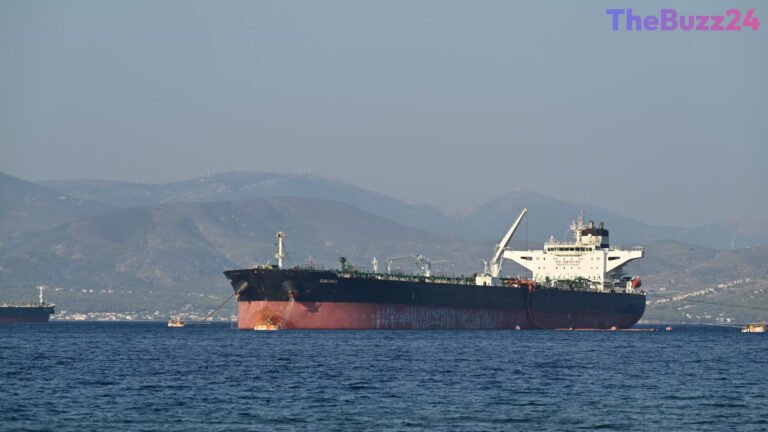
The United States has generated more than $13 billion from the sale of Venezuelan crude oil following the removal of former President Nicolás Maduro, President Donald Trump announced. The U.S. took control of Venezuela’s oil exports after Maduro was captured in a military operation on January 3rd.
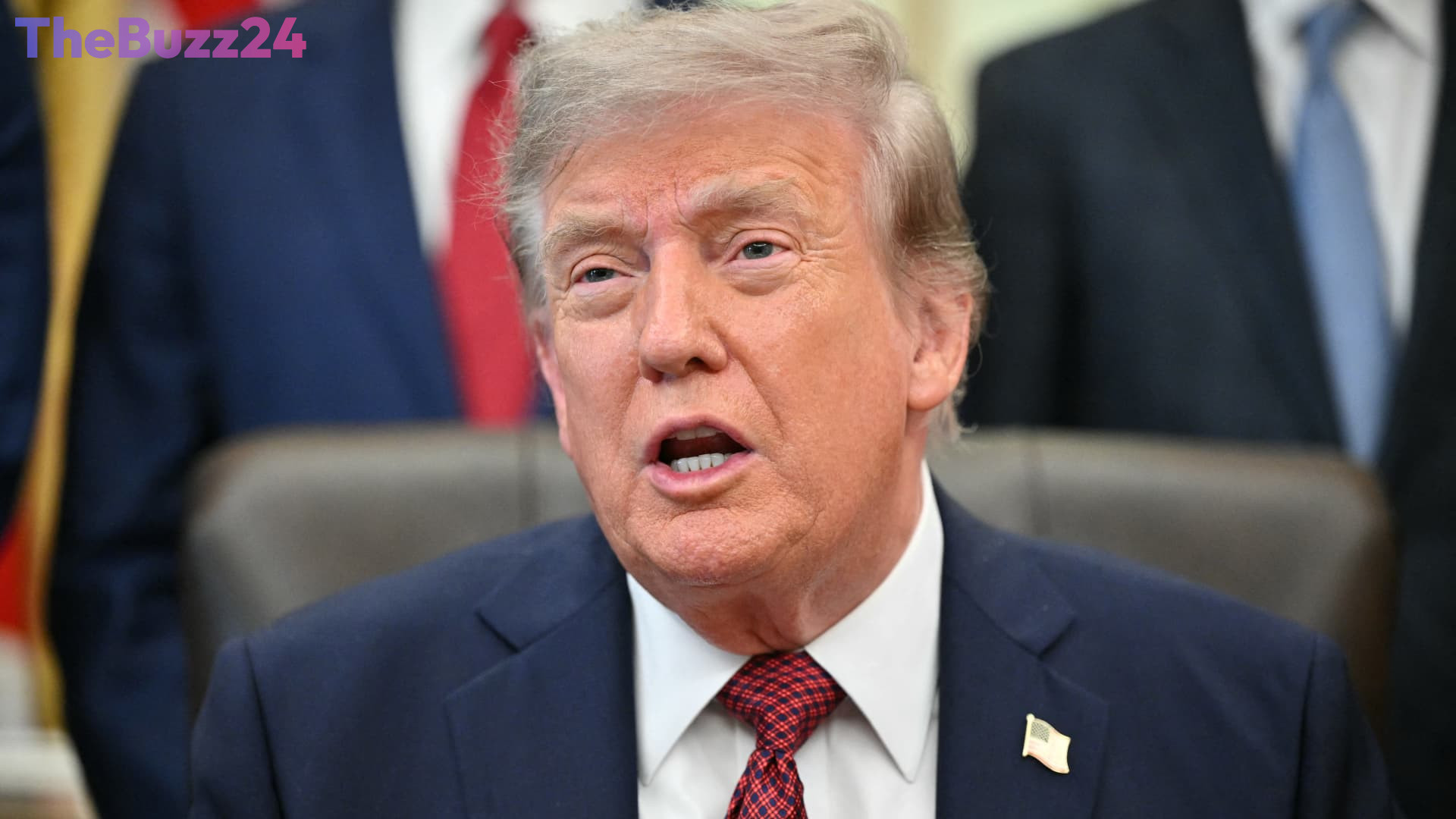
President Trump indicated that the revenue generated from these sales has significantly exceeded initial estimates. “$13 billion from Venezuela? I think even more than that,” Trump stated to reporters, adding that the proceeds have effectively covered the costs associated with the operation. The funds are reportedly being utilized to support the ongoing operations and governance within Venezuela, with the U.S. maintaining a cooperative relationship with the interim government led by Delcy Rodríguez.
Details regarding the management and disbursement of these oil revenues have been a subject of inquiry from members of Congress. Secretary of State Marco Rubio informed Congress that the sales are subject to continuous auditing by KPMG, with funds managed through a Citibank account. Energy Secretary Chris Wright previously indicated that approximately 150 million barrels of Venezuelan oil had been sold since January. Initial funds were placed in a U.S.-controlled account in Qatar before being transferred to a U.S. Treasury account.
State Department official Michael Kozak elaborated that roughly $3 billion has been disbursed from the Treasury account for essential purposes, including government worker salaries, resources for the oil industry, and other sanctioned expenditures. These disbursements are authorized by President Trump’s executive order from January 9th, which designates the funds as property of the Venezuelan government held in custodianship by the U.S.
Key Takeaways
- The U.S. has generated over $13 billion from selling Venezuelan oil after Nicolás Maduro's capture.
- The revenue is being used to fund Venezuela's government operations and oil industry.
- Sales and expenditures are audited by KPMG and managed through U.S. Treasury accounts.
Editor’s Analysis & Impact
The significant revenue generated from Venezuelan oil sales highlights the complex geopolitical and economic strategies employed by the U.S. in managing international affairs. This financial influx, while substantial, raises questions about transparency and accountability in fund management, particularly as congressional scrutiny intensifies. The ongoing process of auditing and disbursing these funds underscores the delicate balance the U.S. is attempting to strike between exerting influence and supporting stability in Venezuela. The long-term implications for Venezuela’s economy and its relationship with the U.S. remain to be seen, but this revenue stream is undeniably a critical factor in the current political landscape.
Frequently Asked Questions
Q: How is the money from Venezuelan oil sales being managed?
A: The funds are held in a Citibank account managed by the U.S. government. Sales are audited by KPMG, and disbursements are authorized by President Trump's executive order, with funds used for government salaries, oil industry supplies, and other approved expenses.
Q: Who oversees the disbursement of these funds?
A: Disbursements are authorized by President Trump's executive order and overseen by officials like Secretary of State Marco Rubio and State Department official Michael Kozak. The funds are designated as property of the Venezuelan government but held in custodianship by the U.S.
Q: What was the initial purpose of seizing control of Venezuela's oil exports?
A: The U.S. seized control of Venezuela's oil exports following the capture of former President Nicolás Maduro, as part of its broader policy objectives concerning the Venezuelan government.
AI Disclosure: This article is based on verified data and official reports. Our Team and AI have cross-referenced every financial detail with primary sources to ensure total accuracy.
More from this Category