Prediction Markets Bet on Fed Chief Kevin Warsh Addressing Energy Shocks at July Press Conference
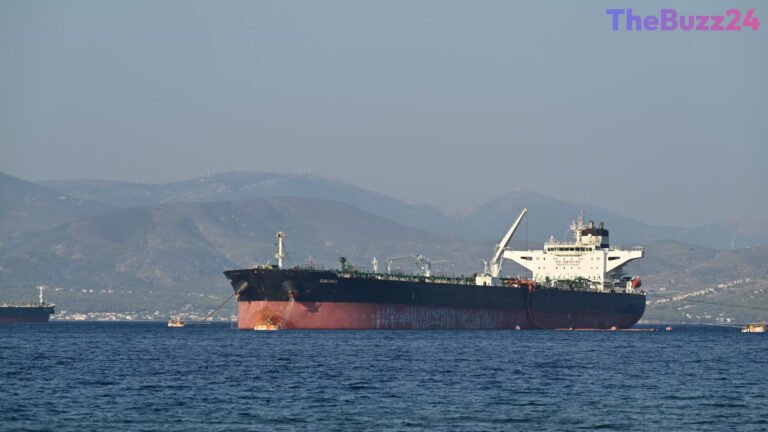
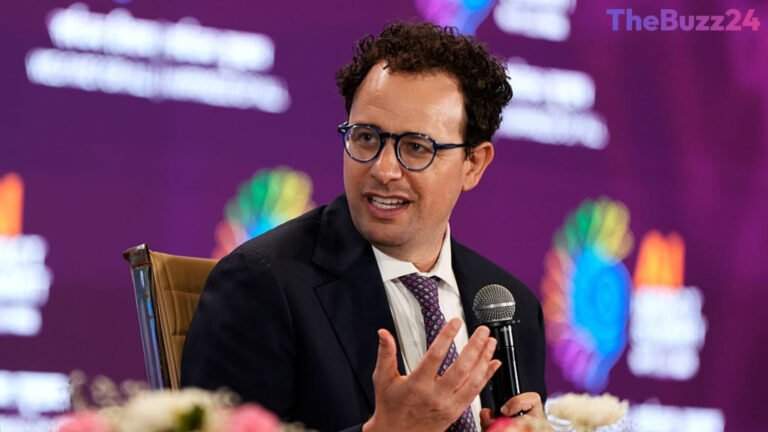
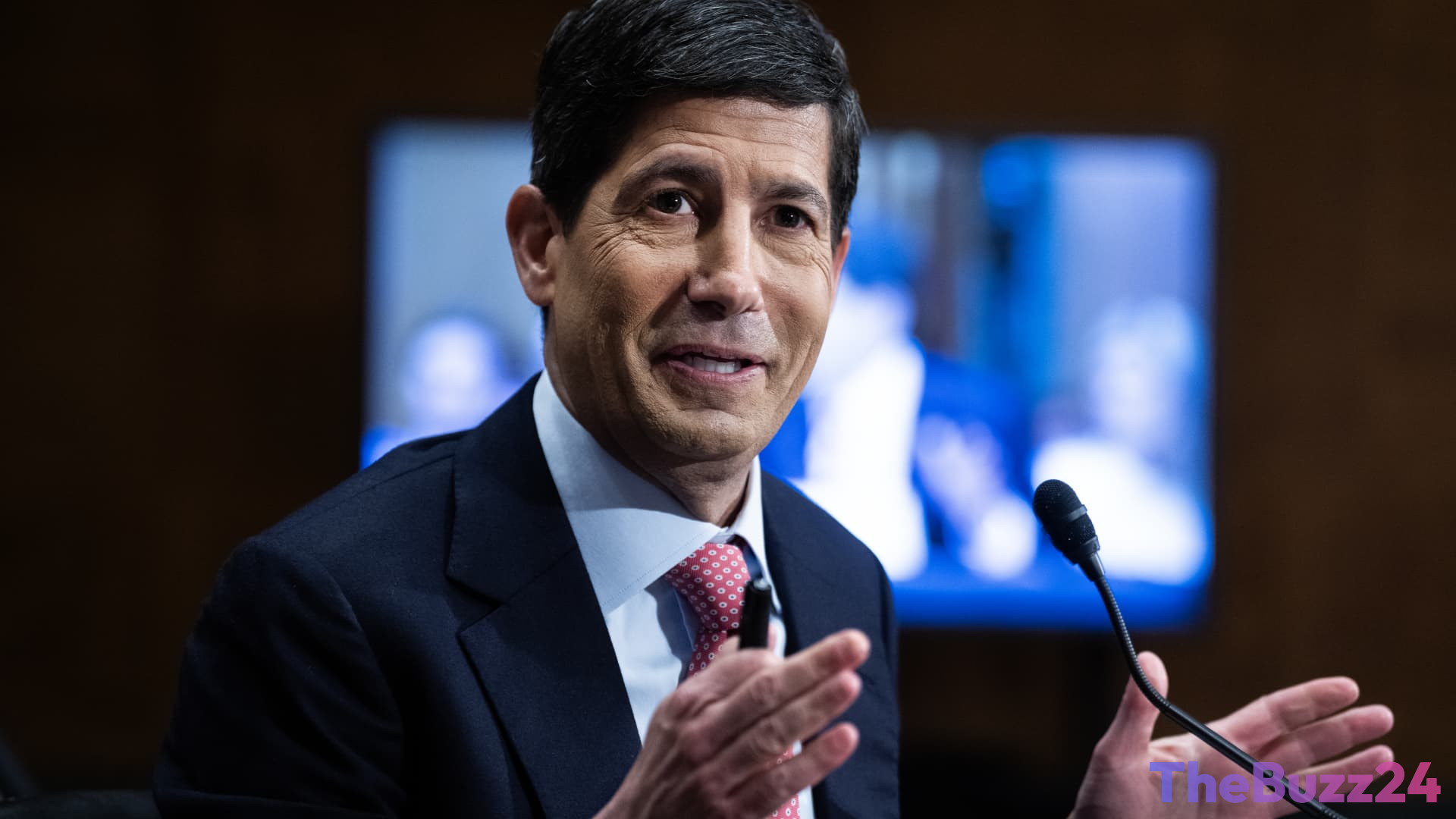
As the Federal Reserve prepares for its upcoming monetary policy decision, activity on the prediction platform Kalshi indicates that market participants are closely watching the specific language Federal Reserve Chairman Kevin Warsh will employ. Event contracts on the platform project a 74% likelihood that the central bank chief will mention the word “oil” during his scheduled press briefing, along with a greater than 50% chance that he will use the word “shock.” The market’s focus on energy-related terminology comes on the heels of recent geopolitical volatility involving the United States and Iran, which briefly propelled Brent crude prices above $100 per barrel before pulling back under $89.
Despite intense interest surrounding energy market disruption, broader market expectations suggest the central bank will keep benchmark interest rates static at the July gathering. Data from CME Group’s FedWatch tool aligns with Kalshi forecasting contracts, which reflect a roughly 75% probability that the Fed will leave interest rates untouched. Nevertheless, sentiment regarding future monetary tightening has turned slightly more hawkish, with the market-implied chance of a July rate increase climbing to nearly 38%, compared to 16% the previous week. Prediction contracts also reflect a 68% likelihood of at least one rate hike taking place before the end of the year.
Financial institutions and Wall Street strategists continue to analyze how central bank leadership will address energy fluctuations against the backdrop of broader economic metrics. Analysts at Bank of America noted that standard central banking strategy typically avoids adjusting interest rates in direct response to supply-driven commodity shocks. Meanwhile, researchers at Evercore ISI pointed out that a rate hike in July would be unexpected following recent favorable inflation figures, though lingering geopolitical uncertainty and rising yields mean market participants cannot entirely rule out further monetary tightening.
Key Takeaways
- Prediction market traders place high odds on Fed Chairman Kevin Warsh using terms like 'oil' (74%) and 'shock' (50%+) during his press briefing.
- Markets assign a roughly 75% chance that the Federal Reserve will maintain current benchmark interest rates at its July meeting.
- Expectations for a future interest rate hike before year-end stand at 68%, influenced by recent geopolitical volatility in energy markets.
Editor’s Analysis & Impact
The elevated trading volume around specific language choices by Federal Reserve leadership underscores the high sensitivity of financial markets to energy supply disruptions. While standard macroeconomic theory suggests central banks should look past transitory commodity price spikes, sustained geopolitical friction in key oil-producing regions complicates the inflation outlook. If Chairman Warsh signals elevated concern over supply-side energy shocks, financial markets may rapidly reprice the probability of further monetary tightening in the second half of the year. Investors should watch whether the central bank views recent commodity volatility as a brief surge or a persistent factor that could delay anticipated interest rate cuts.
Frequently Asked Questions
Q: What are prediction market traders expecting from Fed Chairman Kevin Warsh?
A: Traders on Kalshi heavily anticipate that Warsh will address recent energy volatility, assigning high odds to him mentioning words such as 'oil' and 'shock' during his press conference.
Q: Is the Federal Reserve expected to raise interest rates at the July meeting?
A: Current market indicators and prediction contracts suggest a roughly 75% probability that the Fed will keep benchmark interest rates unchanged at the July meeting.
Q: How have geopolitical events influenced rate hike expectations?
A: Recent military friction between the U.S. and Iran temporarily drove oil prices above $100 per barrel, raising inflation concerns and boosting market expectations of a rate hike later this year to 68%.
AI Disclosure: This article is based on verified data and official reports. Our Team and AI have cross-referenced every financial detail with primary sources to ensure total accuracy.
More from this Category