Conservationists Execute High-Stakes Rescue to Save Near-Extinct Madeiran Land Snails
In a daring conservation effort, experts from Chester Zoo have successfully reintroduced a group of critically endangered Madeiran land snails to their native habitat on Bugio Island. The mission, which involved only 21 surviving individuals, was considered a final attempt to prevent the total extinction of the species, which is endemic to the Madeira archipelago in the Atlantic Ocean.
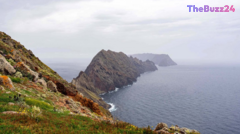
The operation required the team to navigate extreme environmental challenges, including rough seas and the absence of docking infrastructure. Conservationists were forced to leap directly into the water before scaling steep, treacherous cliff faces under the cover of darkness. The team utilized specialized climbing gear to reach specific rock crevices identified as the optimal environment for the snails to thrive.
Tamas Papp, assistant team manager for invertebrates at Chester Zoo, described the mission as the most complex reintroduction project the organization has ever undertaken. With a very narrow window of opportunity dictated by volatile weather patterns, the team had to act with precision to ensure the snails were placed safely. These tiny mollusks, measuring only about 8mm in length, play a vital role in their ecosystem by consuming vegetation and contributing to soil enrichment.
Following the successful release, the snails will remain under close observation as they adapt to their natural surroundings. This project highlights the intensive, hands-on efforts required to preserve biodiversity in remote locations, as experts continue to monitor the population to ensure the species can establish a sustainable foothold in the wild.
Key Takeaways
- A group of 21 critically endangered Madeiran land snails were successfully reintroduced to their native habitat on Bugio Island.
- The rescue mission required experts to navigate dangerous cliff faces and rough Atlantic waters to reach the remote release site.
- The snails are essential to their ecosystem, as they assist in soil enrichment and vegetation management.
Editor’s Analysis & Impact
The successful reintroduction of the Madeiran land snail serves as a poignant case study in the ‘last-ditch’ nature of modern conservation biology. As climate change and habitat degradation continue to threaten micro-endemic species, the reliance on intensive, high-risk human intervention is becoming increasingly common. This operation underscores the logistical and financial burdens placed on zoological institutions, which are often the only entities capable of executing such complex recovery programs. Looking forward, the long-term viability of this species will depend on whether the restored population can achieve genetic diversity and resilience without constant human oversight. The broader implication is a shift toward ‘active conservation,’ where the survival of a species is no longer passive but requires constant, high-stakes management in increasingly fragile environments.
Frequently Asked Questions
Q: Why are Madeiran land snails important to their environment?
A: These snails play a crucial role in their ecosystem by consuming vegetation and helping to enrich the soil, which supports the health of the local habitat.
Q: How many snails were involved in the reintroduction project?
A: The conservation team reintroduced 21 Madeiran land snails, which were bred in a specialized program at Chester Zoo.
AI Disclosure: This article is based on verified data and official reports. Our Team and AI have cross-referenced every financial detail with primary sources to ensure total accuracy.
More from this Category