Former Hong Kong Opposition Leader Granted Six-Month UK Stay After Border Detention
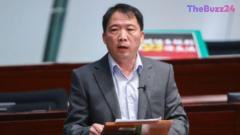
Former Hong Kong opposition figure Wu Chi-wai has successfully secured a six-month stay in the United Kingdom alongside his family, following a tense border detention incident at London’s Heathrow Airport. Wu, the 63-year-old former leader of the Democratic Party and a prominent figure in the region’s historical pro-democracy movement, arrived in the country last week only to be initially detained for nearly ten hours. British border authorities initially signaled that he would face imminent deportation after just one week, questioning his status as a genuine visitor.
However, following intense advocacy and review, the UK Border Force reversed its initial stance, granting Wu a standard six-month visitor permission. Wu had previously spent over five years incarcerated in Hong Kong following a high-profile national security trial related to subversion charges before his release earlier this year. Traveling on a British National (Overseas) passport, Wu sought to reunite with his wife and son, who had relocated to the UK in recent years. Despite earlier speculation regarding asylum intentions, Wu maintained that his trip was strictly for family reunification.
International advocacy organizations and human rights groups strongly condemned his initial detention, arguing that returning him to his home jurisdiction would place him in severe jeopardy. While government officials declined to comment on individual administrative decisions, statistics indicate that hundreds of thousands of Hong Kong residents have utilized specialized visa pathways to relocate to the UK in recent years amid shifting political landscapes.
Key Takeaways
- Former Hong Kong opposition leader Wu Chi-wai was granted a six-month stay in the UK after initially facing potential deportation upon arrival.
- Wu, one of the 'Hong Kong 47', recently served over five years in prison under national security legislation before traveling to reunite with his family.
- Human rights advocates and organizations welcomed the reversal by the UK Border Force, criticizing the initial threat of removal.
Editor’s Analysis & Impact
The resolution of Wu Chi-wai’s immigration status highlights the ongoing complexities and geopolitical sensitivities surrounding the migration of former pro-democracy figures from Hong Kong. As thousands continue to utilize British National (Overseas) passport pathways to relocate, immigration authorities face the delicate task of balancing standard border enforcement with humanitarian obligations toward political dissidents. This case underscores the broader implications of Hong Kong’s shifting political environment, demonstrating how international asylum and migration policies directly intersect with global human rights concerns. Moving forward, immigration screening processes for high-profile political figures from restricted jurisdictions will likely face heightened scrutiny from lawmakers and civil society organizations alike.
Frequently Asked Questions
Q: Who is Wu Chi-wai?
A: Wu Chi-wai is the former leader of Hong Kong's now-defunct Democratic Party and a prominent pro-democracy figure who recently served prison time following a national security trial.
Q: Why was Wu detained at Heathrow Airport?
A: Wu was detained for nearly 10 hours because border officials initially questioned whether he was a genuine visitor solely entering the country to see his family.
Q: What travel document did Wu use to enter the UK?
A: Wu traveled using a British National (Overseas) (BNO) passport, a special travel document issued to Hong Kong permanent residents prior to the 1997 handover.
AI Disclosure: This article is based on verified data and official reports. Our Team and AI have cross-referenced every financial detail with primary sources to ensure total accuracy.
More from this Category