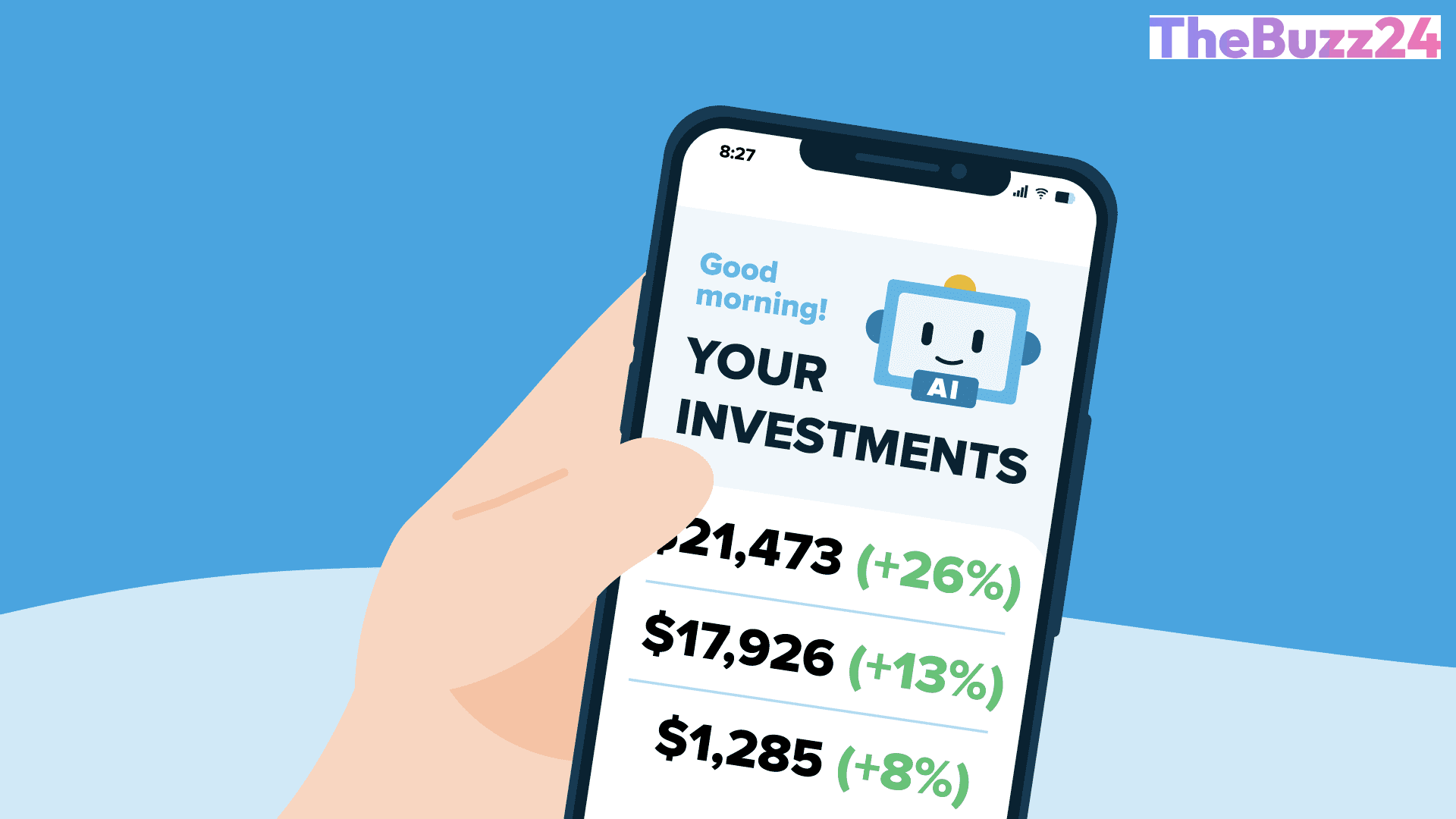
The Rise of Agentic Finance: How Autonomous AI Trading Tools Are Reshaping Wall Street
The financial services landscape is undergoing a structural shift as brokerage platforms, fintech startups, and individual retail traders begin deploying autonomous artificial intelligence agents. Moving beyond basic data summarization and stock recommendations, these next-generation “agentic” systems are being engineered to manage portfolios, optimize cash balances, handle complex tax strategies, and execute trades around the clock. Industry experts suggest this technological leap will effectively grant everyday investors access to personalized, 24/7 virtual family offices in the coming years.
Major brokerages and fintech platforms are pursuing various strategies to integrate these autonomous workflows. Startups like Podium Markets AI have introduced assistants such as Ivy, which analyze user holdings across multiple accounts to generate custom trading insights while keeping final execution power in human hands. Meanwhile, Robinhood has opened its infrastructure to third-party AI agents, and Public is actively developing native automated workflows. Market analysts anticipate that as these tools gain traction, execution volumes could expand dramatically, with AI agents ultimately conducting a significant share of routine platform transactions.
Despite widespread enthusiasm, early real-world testing by retail investors highlights clear risks and mixed results. While general-purpose models like ChatGPT and Claude excel at preliminary research and company analysis, relying on automated agents for unsupervised execution has led to unpredicted financial losses for some users. A primary challenge lies in instruction interpretation: vague prompts such as “aggressive portfolio growth” can cause an agent to take on excessive volatility or concentrated risk that the user never intended.
To address these concerns, software developers and brokerages are establishing stringent safeguard mechanisms before granting AI agents full operational freedom. Many platforms are building frameworks that mandate user review and explicit authorization before any automated transaction is finalized. As these tools assume broader responsibilities, maintaining regulatory compliance and ensuring AI behavior aligns strictly with client risk parameters will remain a central priority for financial institutions.
Key Takeaways
- Fintech startups and major brokerages are developing autonomous 'agentic' AI tools that can oversee portfolios and trade 24/7.
- Experts predict that agentic trading tools could increase retail market transaction volumes up to tenfold in the coming years.
- Developers are incorporating strict human-in-the-loop guardrails to prevent AI from misinterpreting instructions and making risky trades.
Editor’s Analysis & Impact
The emergence of agentic AI represents a critical evolution in personal finance and quantitative trading. By democratizing sophisticated portfolio management strategies historically restricted to institutional funds and ultra-wealthy individuals, agentic software lowers barriers for retail market participants. However, this shift introduces complex market and regulatory dynamics. High-frequency automated decision-making across millions of retail accounts could heighten intraday volatility and create unpredictable market liquidity flows. Furthermore, brokerages face substantial legal and fiduciary risks if automated agents misinterpret nuanced risk tolerances. Moving forward, regulators are likely to mandate greater transparency and strict human oversight frameworks, forcing platforms to strike a balance between seamless automation and robust investor protection.
Frequently Asked Questions
Q: What is an AI trading agent?
A: An AI trading agent is an artificial intelligence system designed to analyze market data, formulate investment strategies, and autonomously manage or execute portfolio tasks on behalf of a user.
Q: Are AI trading agents currently safe to use unsupervised?
A: Most financial experts recommend maintaining human oversight. AI tools can misinterpret broad commands or market signals, potentially leading to unintended trading losses without strict parameters.
Q: How will agentic trading affect the stock market?
A: Analysts anticipate that continuous, 24/7 automated monitoring and execution could increase trading frequency significantly, potentially multiplying market transaction volumes.
AI Disclosure: This article is based on verified data and official reports. Our Team and AI have cross-referenced every financial detail with primary sources to ensure total accuracy.
More from this Category