Converging Fronts: Zelenskyy Visits White House as Ukraine and Iran Conflicts Intersect
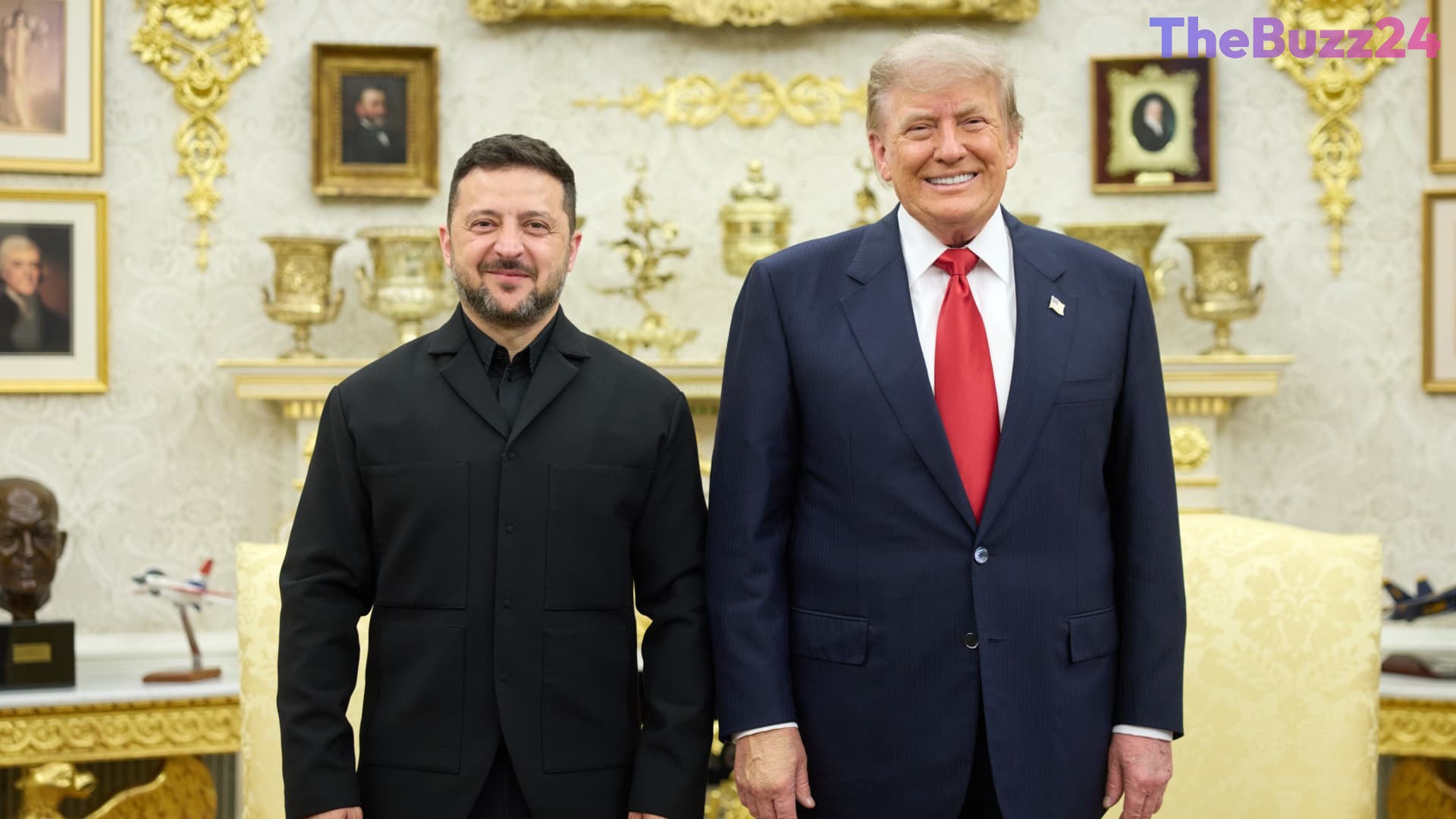
Ukrainian President Volodymyr Zelenskyy traveled to Washington for high-stakes discussions with President Donald Trump, aiming to reinforce Western backing as separate geopolitical conflicts in Eastern Europe and the Middle East increasingly overlap. The diplomatic engagement unfolds at a critical juncture, marked by recent military developments that bridge the war in Ukraine with ongoing hostilities involving Iran.
The discussions provide an opportunity to strengthen diplomatic ties between Washington and Kyiv following a turbulent period in bilateral relations. Concurrently, Capitol Hill is advancing a robust legislative agenda, with the Senate scheduled to vote on a bipartisan sanctions package designed to ramp up economic pressure on Moscow and penalize nations continuing to purchase Russian energy resources, including oil and natural gas.
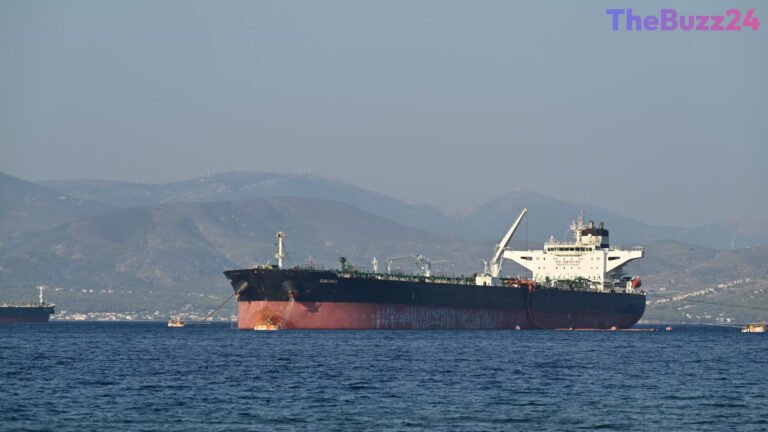
The convergence of these international crises was recently underscored when Ukrainian forces executed long-range strikes in the Caspian Sea, targeting vessels allegedly utilized for military logistics involving Iran. Tehran strongly condemned the operation, which resulted in casualties, and warned of potential retaliation. Analysts view the incident as a troubling merging of distinct geopolitical theaters, especially given longstanding intelligence reports regarding military cooperation between Moscow and Tehran, including the supply of kamikaze drones used in the Ukrainian conflict.
While international authorities trade diplomatic and public warnings over the escalating situation, the long-term trajectory of these interconnected conflicts remains uncertain. Observers note that Tehran’s potential responses could range from formal diplomatic recognitions of Russian-occupied territories to asymmetrical countermeasures, further complicating an already volatile global security landscape.
Key Takeaways
- Ukrainian President Volodymyr Zelenskyy met with President Donald Trump at the White House to shore up bilateral support.
- The U.S. Senate advanced a bipartisan sanctions package targeting Russia and buyers of its energy exports.
- Recent Ukrainian strikes against vessels in the Caspian Sea have intertwined the conflict with escalating tensions involving Iran.
Editor’s Analysis & Impact
The intersection of the war in Ukraine and Middle Eastern hostilities marks a dangerous evolution in contemporary geopolitics. As secondary actors like Iran and Russia deepen their military and logistical cooperation, retaliatory actions outside traditional theater boundaries—such as strikes in the Caspian Sea—demonstrate how localized conflicts can rapidly morph into a sprawling, multidimensional web of confrontations. For global markets and international security, this convergence heightens the risk of supply chain disruptions, energy market volatility, and unpredictable diplomatic alignments. Policymakers must now navigate a reality where deterrence in one region directly impacts stability in another, raising the stakes for Western sanctions regimes and defense strategies moving forward.
Frequently Asked Questions
Q: Why did Ukrainian President Volodymyr Zelenskyy visit Washington?
A: Zelenskyy traveled to Washington to meet with President Donald Trump and members of the Senate to secure ongoing support and discuss tightening sanctions against Russia.
Q: How are the conflicts in Ukraine and Iran becoming intertwined?
A: The conflicts have begun to overlap following a Ukrainian military strike on commercial and military vessels in the Caspian Sea associated with Iran, prompting threats of retaliation from Tehran amid existing ties between Iran and Russia.
Q: What is the focus of the bipartisan sanctions package moving through the Senate?
A: The legislation aims to impose tariffs and sanctions on Russia, Russian leadership, major energy projects, and countries that continue purchasing Russian oil and natural gas.
AI Disclosure: This article is based on verified data and official reports. Our Team and AI have cross-referenced every financial detail with primary sources to ensure total accuracy.
More from this Category