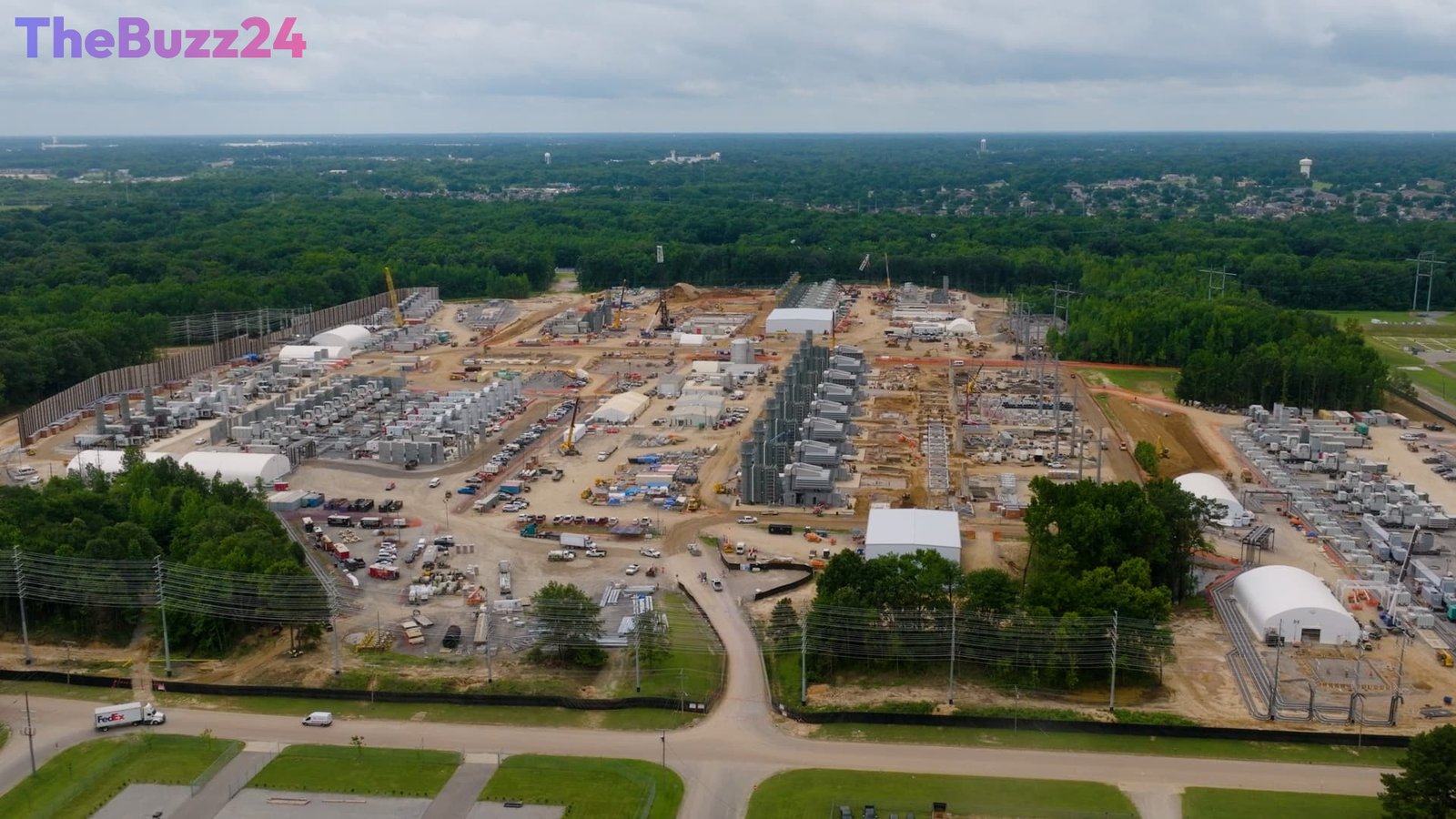
SpaceX Faces Continued Legal Battle Over Memphis-Area AI Data Center Emissions
A federal judge has ruled that a lawsuit filed by the NAACP against SpaceX’s AI division can proceed, rejecting the company’s attempt to have the case dismissed. The lawsuit alleges that SpaceX violated the Clean Air Act by using gas-fired combustion turbines to power its artificial intelligence data centers near Memphis, Tennessee, and in Southaven, Mississippi.
The NAACP, represented by the Southern Environmental Law Center and Earthjustice, filed the complaint in April, asserting that SpaceX’s AI subsidiary, xAI, installed and operated 27 gas turbines between August and December 2025 without the necessary air permits. The suit claims these turbines are emitting smog-forming pollutants and particulate matter, which can lead to increased health risks and unpleasant odors for nearby communities.
SpaceXAI had argued that the turbines should be considered “mobile” sources, exempting them from permitting requirements under the Clean Air Act. They also contested the NAACP’s standing to sue and the constitutionality of the citizen suit provision. However, the judge disagreed, stating that the plaintiffs have statutory standing, the turbines do not qualify as “mobile sources” under Mississippi’s State Implementation Plan, and the citizen suit provision is constitutional.
This ruling follows a similar decision two weeks prior, where the same court denied a request by the U.S. Department of Justice to dismiss the case. The legal proceedings are ongoing in the U.S. District Court for the Northern District of Mississippi, with the community backlash against the Colossus data centers and associated power plant continuing.
Key Takeaways
- A lawsuit alleging Clean Air Act violations by SpaceX's AI division over emissions from gas turbines powering its data centers will proceed.
- SpaceX's arguments that the turbines were "mobile" and thus exempt from permits, and that the NAACP lacked standing, were rejected by the court.
- The ruling allows the NAACP's case to move forward in federal court, despite previous attempts by SpaceX and the Department of Justice to have it dismissed.
Editor’s Analysis & Impact
This legal challenge highlights the growing tension between rapid technological advancement, particularly in AI infrastructure, and environmental regulations. SpaceX’s ambition to power its data centers with combustion turbines faces significant scrutiny, as demonstrated by the NAACP’s successful push to keep the lawsuit alive. The court’s decision underscores the importance of air permits and the rights of community groups to challenge potential environmental violations. This case could set a precedent for how similar energy-intensive AI infrastructure projects are regulated, potentially impacting future development plans and requiring companies to adopt cleaner energy solutions or face stricter oversight.
Frequently Asked Questions
Q: What specific environmental law is SpaceX accused of violating?
A: SpaceX is accused of violating the federal Clean Air Act, which regulates air emissions from stationary and mobile sources.
Q: What are the main concerns raised by the NAACP regarding the data centers?
A: The NAACP's primary concerns are that the gas turbines used to power the data centers are emitting smog-forming pollutants and particulate matter without proper air permits, potentially harming the health of nearby residents.
Q: What was SpaceX's defense against the lawsuit?
A: SpaceX argued that the turbines were "mobile" and therefore exempt from permitting requirements. They also questioned the NAACP's legal standing to bring the suit and the constitutionality of the citizen suit provision under the Clean Air Act.
AI Disclosure: This article is based on verified data and official reports. Our Team and AI have cross-referenced every financial detail with primary sources to ensure total accuracy.
More from this Category