Binance Restores 90% of Customer Funds After Historic $6.3 Billion Security Breach Linked to North Korea
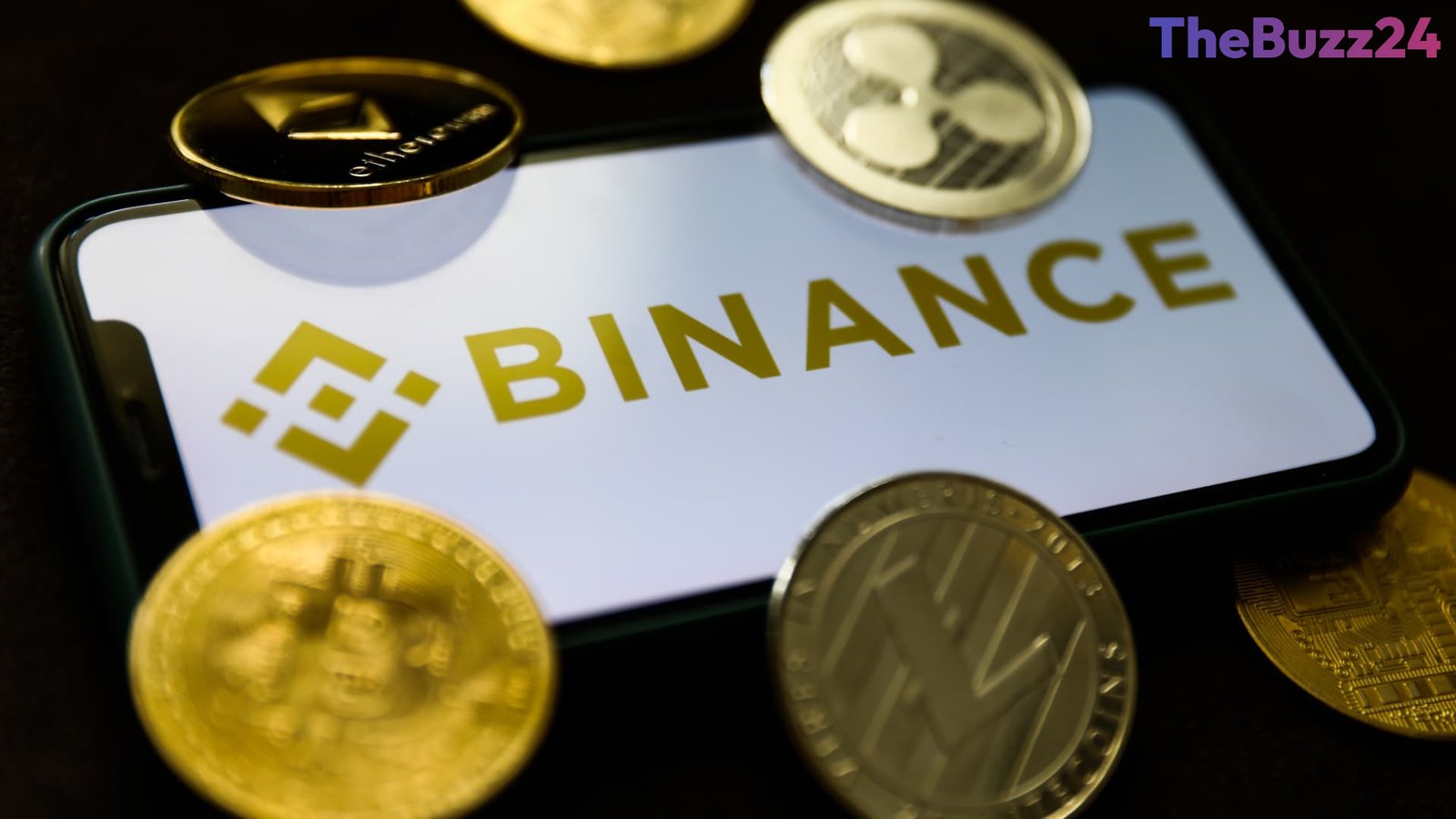
In the wake of the largest digital asset heist in history, Binance has successfully restored backing for 90% of the $6.3 billion stolen from its hot wallets earlier this week. The cryptocurrency exchange utilized a combination of its internal corporate treasury, its Secure Asset Fund for Users (SAFU), and funds from its Futures insurance pool to cushion the financial shock. The platform reaffirmed its pledge that individual account holders will not bear any losses resulting from the cyberattack, promising full financial coverage as operations normalize.
While major cryptocurrencies including Bitcoin, Ethereum, USDT, BNB, and Solana have reached 100% backing, the exchange noted that the remaining 10% of unbacked funds consists of lower-liquidity altcoins. Sourcing these smaller tokens through spot market purchases and over-the-counter channels will take slightly longer. Nevertheless, system recovery efforts remain ahead of schedule, with platform withdrawals targeted to resume on Sunday following comprehensive security audits and final technical verifications.
Investigative authorities have officially attributed the sophisticated intrusion to state-sponsored hackers operating out of North Korea. Federal law enforcement agencies revealed that the attackers quickly began laundering the illicit funds by converting various tokens into Ethereum. Blockchain security experts highlighted that the operational signatures of the breach—including small automated mixer transactions used to seed operator wallets and long-term pre-staging—closely align with previous high-profile exploits orchestrated by Pyongyang-backed cyber units.
Initial assessments suggesting a single compromised developer laptop have been updated by exchange leadership, who confirmed the breach involved a far more intricate, multi-layered compromise. Although full details of the vulnerability remain confidential while forensic investigations continue, the rapid deployment of reserve reserves has prevented widespread panic across broader digital asset markets.
Key Takeaways
- Binance has backed 90% of the $6.3 billion in stolen assets using internal corporate reserves, insurance funds, and SAFU.
- Federal investigators officially identified North Korean state-sponsored hackers as the perpetrators behind the breach.
- User withdrawals are scheduled to reopen on Sunday subject to final security verifications, with major tokens already 100% covered.
Editor’s Analysis & Impact
The unprecedented scale of this $6.3 billion breach marks a critical juncture for institutional cryptocurrency infrastructure. Binance’s ability to absorb such a massive loss through its internal reserves and SAFU fund highlights the vital necessity of robust self-insurance mechanisms for major exchanges. However, the attack underscores lingering vulnerabilities in hot wallet security and operational access management. The official attribution to North Korean state actors reinforces growing concerns over state-sponsored cyber warfare targeting decentralized financial networks to bypass global economic sanctions. Moving forward, regulatory bodies are likely to demand strict mandates regarding exchange reserve transparency, real-time threat monitoring, and operational resilience to safeguard global retail investors.
Frequently Asked Questions
Q: Will Binance users lose money as a result of this hack?
A: No. Binance has explicitly stated that it will fully absorb the financial impact of the attack using its emergency funds and corporate treasury, ensuring user balances remain intact.
Q: When will platform withdrawals be re-enabled?
A: Withdrawals are expected to resume on Sunday, provided all final system security checks and verification protocols are successfully completed.
Q: Who was responsible for the $6.3 billion exploit?
A: Federal law enforcement agencies and blockchain analytics firms have determined that North Korea-linked cyber criminals were responsible for the attack.
AI Disclosure: This article is based on verified data and official reports. Our Team and AI have cross-referenced every financial detail with primary sources to ensure total accuracy.
More from this Category