Global Markets Stumble as Middle East Tensions Spike and Tech Stocks Retreat
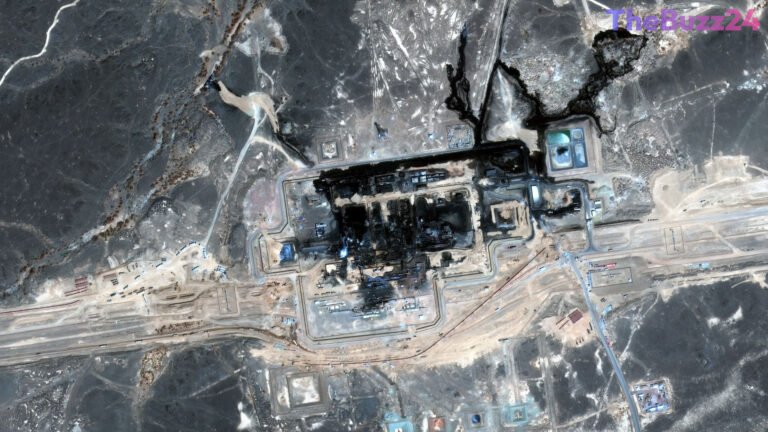
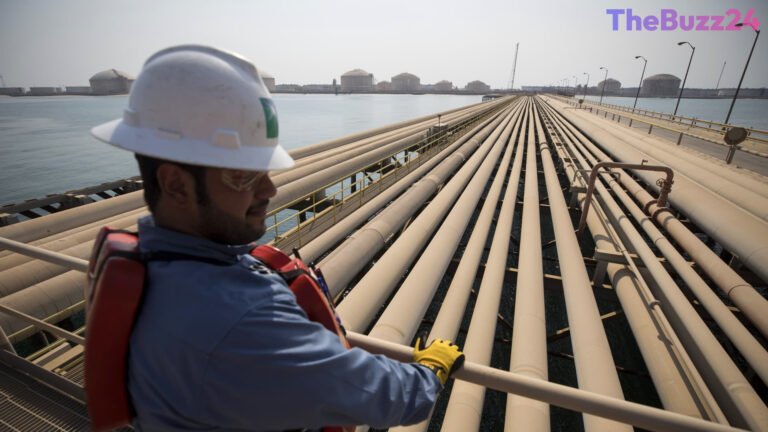
Global financial markets are facing significant volatility this week as a combination of renewed geopolitical conflict in the Middle East and a sharp sell-off in the technology sector rattles investor confidence. U.S. stock futures trended lower on Wednesday following reports that Iranian forces launched a ballistic missile attack on American military bases in the region. While U.S. Central Command confirmed that the missiles were successfully intercepted, the escalation has triggered a flight to safety and a notable spike in energy prices, with West Texas Intermediate crude futures climbing approximately 4% to reach $82 per barrel.
The turmoil has been particularly acute in Asian markets, where South Korea’s Kospi index suffered a dramatic 8% decline, forcing regulators to trigger circuit breakers for the second consecutive day. The sell-off was largely driven by heavyweights in the semiconductor industry, including Samsung Electronics and SK Hynix, as investors reacted to disappointing earnings reports and broader concerns regarding the sustainability of the artificial intelligence-driven tech rally. This downward pressure extended to Japan and mainland China, where major indices also struggled to maintain footing amid the regional instability.
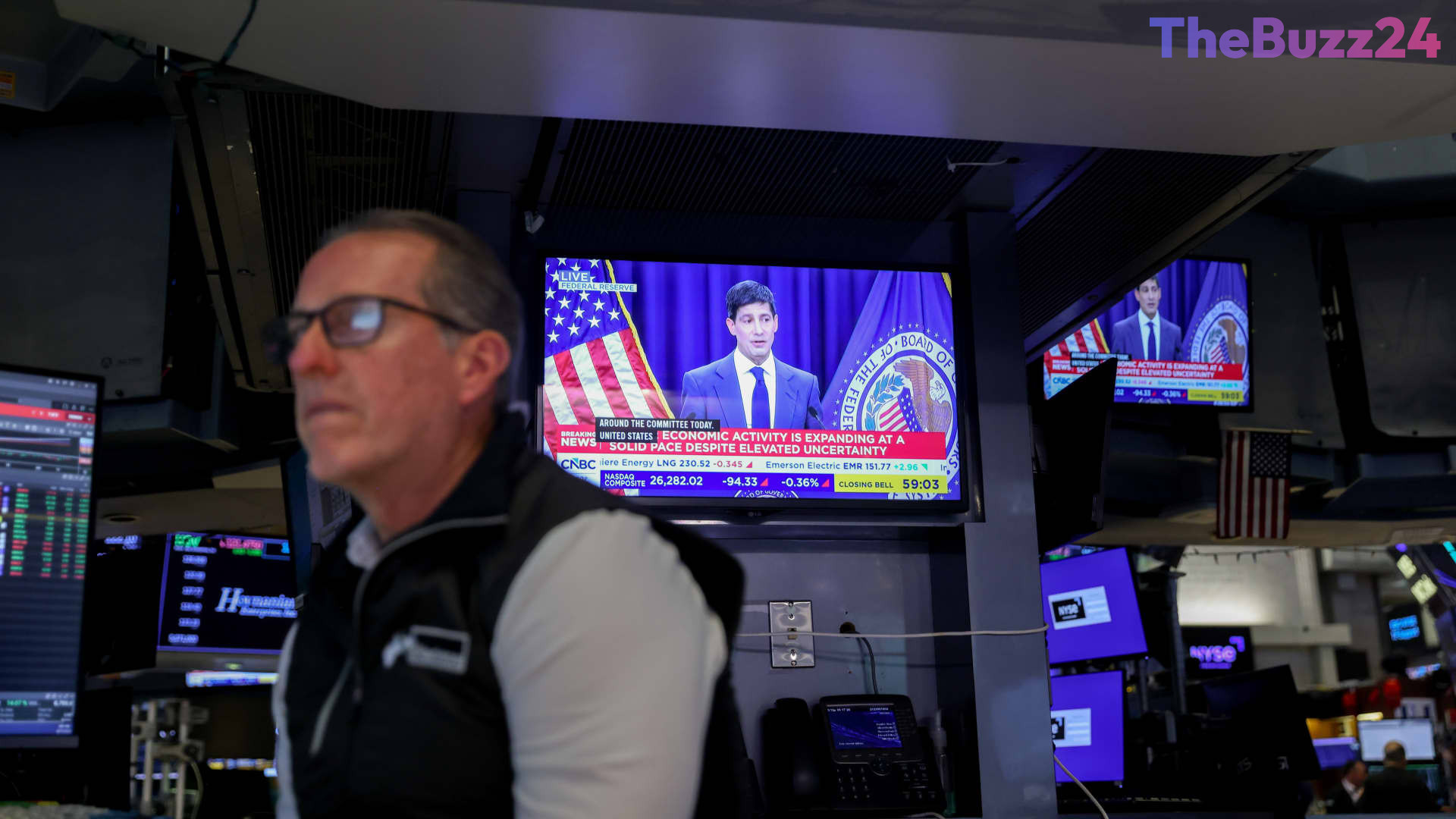
Corporate earnings remain a focal point for investors, with a mixed bag of results influencing market sentiment. While Ford Motor saw its shares jump 4% in extended trading following an upbeat forecast, other sectors faced headwinds. UBS reported a strong second quarter with $3.6 billion in pre-tax profit and announced a $1 billion share buyback, yet the banking giant saw its capital solvency ratio dip slightly. Meanwhile, market participants are bracing for the Federal Reserve’s upcoming interest rate decision, with many analysts anticipating that the central bank will maintain current rates as it balances inflation risks against the potential economic fallout of further monetary tightening.
Key Takeaways
- Geopolitical tensions in the Middle East have caused oil prices to surge and dampened investor sentiment across global stock markets.
- South Korean markets experienced a severe 8% drop, leading to trading halts as semiconductor stocks faced intense selling pressure.
- Investors are closely monitoring the Federal Reserve's interest rate decision, with expectations leaning toward a steady policy stance.
Editor’s Analysis & Impact
The current market environment reflects a fragile equilibrium where geopolitical risk and sector-specific valuation concerns are colliding. The sharp decline in semiconductor stocks, despite the long-term growth narrative surrounding AI, suggests that investors are becoming increasingly sensitive to earnings misses and high valuations. The spike in oil prices serves as a reminder of the market’s vulnerability to supply chain and security disruptions in the Middle East, which could complicate the Federal Reserve’s efforts to manage inflation. Looking ahead, the market’s ability to recover will likely depend on whether corporate earnings can justify current valuations and whether the geopolitical situation stabilizes. If volatility persists, we may see a broader rotation out of high-growth tech assets into more defensive, value-oriented sectors.
Frequently Asked Questions
Q: Why did South Korean stocks trigger a circuit breaker?
A: The Kospi index fell by 8% due to a massive sell-off in major semiconductor companies like Samsung Electronics and SK Hynix, which triggered automatic trading halts designed to prevent panic selling.
Q: How are Middle East tensions affecting the energy market?
A: Renewed hostilities, specifically the missile exchange between Iran and U.S. forces, have raised concerns about potential supply disruptions, causing crude oil futures to rise significantly.
AI Disclosure: This article is based on verified data and official reports. Our Team and AI have cross-referenced every financial detail with primary sources to ensure total accuracy.
More from this Category