Anthropic Faces Strategic Dilemma as CEO Calls for AI Slowdown Ahead of Blockbuster IPO
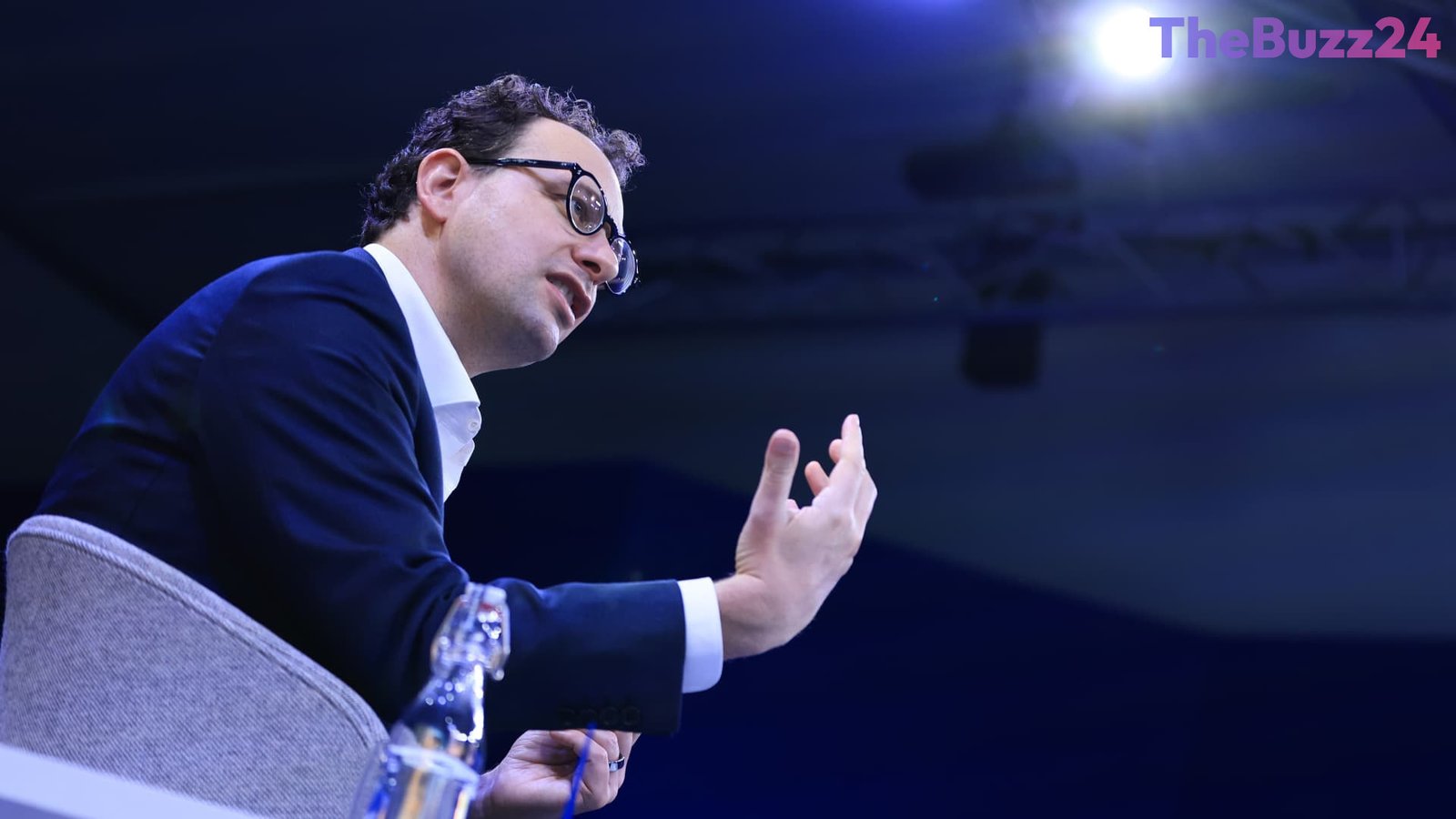
As artificial intelligence creator Anthropic prepares for a potentially historic public market debut, its leadership is advancing a counterintuitive strategy: deliberately decelerating the pace of model development. Co-founder and CEO Dario Amodei recently published an essay urging the tech sector to temper the rapid evolution of advanced models, proposing a structured framework involving third-party evaluations, universal safety standards, and international coordination. This pivot comes as the five-year-old firm, which confidential filed its initial public offering prospectus earlier this year, targets a staggering valuation of up to $2 trillion.
The push for a measured approach introduces a complex variable for prospective public market investors, who must weigh the long-term sustainability and ethical positioning of the company against traditional expectations of hyper-growth. While some financial analysts suggest that prioritizing safety and transparency could help Anthropic mitigate future regulatory liabilities and alleviate mounting public skepticism, others caution that tempering capabilities might compress revenue expansion. Industry observers remain divided, with some viewing the safety initiatives as a responsible corporate evolution and others interpreting them as strategic maneuvering to establish competitive moats that could disadvantage smaller rivals.
The broader artificial intelligence ecosystem watches closely as these market dynamics unfold, given the outsized influence that leading developers hold over global infrastructure spending and compute allocations. Major industry players continue to forge massive partnerships for hardware and data center resources, even as executives navigate shifting regulatory scrutiny and public concern. Ultimately, market experts believe the tension between rapid commercialization and precautionary governance will define the investment landscape for frontier technology companies throughout their transition into publicly traded entities.
Key Takeaways
- Anthropic CEO Dario Amodei has proposed a deliberate slowdown in AI model development ahead of the company's anticipated IPO, targeting a valuation near $2 trillion.
- The strategy aims to enhance transparency and mitigate public safety concerns, though financial analysts remain split on whether it will hamper revenue growth or build investor trust.
- Industry critics and some analysts argue that calling for stringent safety standards could act as a competitive barrier, potentially favoring dominant players over smaller rivals.
Editor’s Analysis & Impact
The intersection of artificial intelligence commercialization and safety governance has reached a critical juncture as leading labs transition toward public markets. Anthropic’s push for a regulated slowdown highlights the growing pressure on tech executives to balance exponential technological growth with systemic risk management. While institutional investors are traditionally wired to reward unbridled expansion, the emerging paradigm forces a re-evaluation of long-term sustainability. If market leaders successfully frame safety protocols as a core value proposition, it could reshape industry standards, though it also risks establishing regulatory moats that stifle smaller market participants. The ultimate success of these upcoming public offerings will test whether public markets can accurately price both the immense upside of artificial intelligence and the complex societal risks attached to it.
Frequently Asked Questions
Q: Why is Anthropic advocating for a slowdown in AI development?
A: CEO Dario Amodei proposed a slowdown to implement better safety standards, open models to third-party evaluators, and address growing public and regulatory concerns regarding the rapid, unchecked advancement of artificial intelligence.
Q: How might an AI slowdown impact Anthropic's upcoming IPO?
A: Financial analysts are divided; some believe a focus on safety helps position Anthropic as a responsible actor and builds long-term trust, while others worry it could temper revenue growth expectations and affect the company's ultimate market valuation.
AI Disclosure: This article is based on verified data and official reports. Our Team and AI have cross-referenced every financial detail with primary sources to ensure total accuracy.
More from this Category