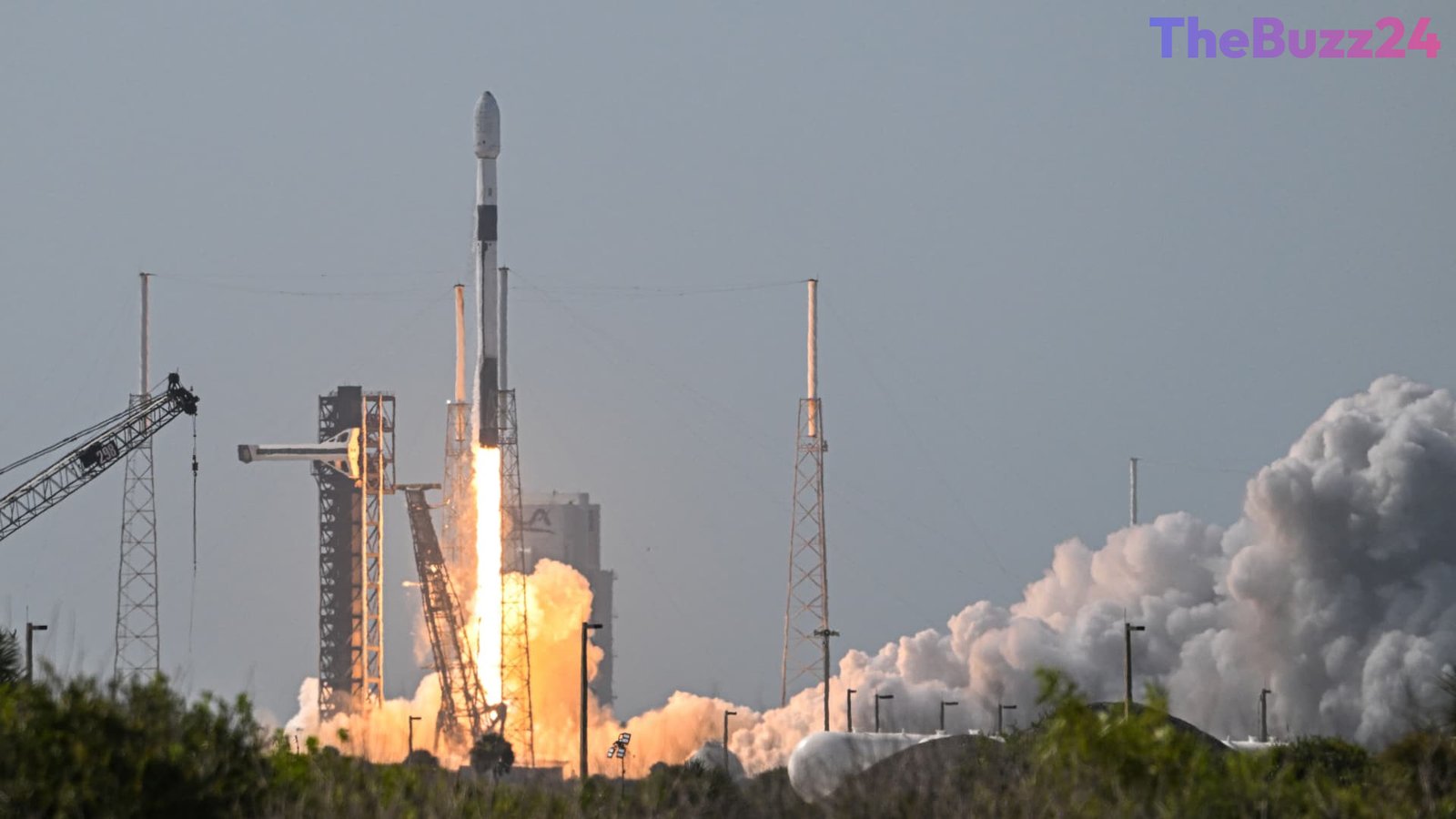
Europe’s Space Sector Secures Massive Funding Surge to Challenge Global Dominance
The European space industry is experiencing a significant influx of capital as a wave of startups secures hundreds of millions in funding. This surge is driven by a collective effort to scale infrastructure and provide viable alternatives to the current market leaders, most notably the U.S.-based SpaceX. Among the recent beneficiaries is satellite manufacturer Open Cosmos, which successfully closed an oversubscribed 300 million euro funding round, specifically prioritizing European investors to bolster the continent’s sovereign space capabilities.
This capital injection is part of a broader trend of rapid expansion across the European commercial space sector. Recent weeks have seen substantial financial milestones, including a $450 million Series C for The Exploration Company, a 288 million euro total for Spanish rocket firm PLD Space, and a 50 million euro extension for German startup HyImpulse. Furthermore, collaborative efforts are gaining momentum, such as the $1 billion program between Marlan Space and Loft Orbital to deploy an AI-enabled satellite constellation, supported by French AI specialist Mistral.
Despite this momentum, Europe faces a persistent challenge in closing the investment and infrastructure gap with the United States. Data indicates that U.S.-based companies continue to capture the vast majority of private space investment, supported by a public space budget roughly five times larger than that of Europe. While German startup Isar Aerospace recently achieved a historic milestone by becoming the first commercial European entity to place satellites into orbit, the industry remains focused on scaling production and launch capacity to compete on a global stage.
Political leaders are now emphasizing the need for greater coordination to ensure these private investments translate into a cohesive European strategy. As the demand for satellite connectivity and real-time intelligence grows, the consensus among industry leaders is that the global market is large enough to support multiple players, provided that European firms can effectively navigate the competitive landscape and maintain a consistent launch cadence.
Key Takeaways
- European space startups are securing record-breaking funding rounds to build independent infrastructure and reduce reliance on U.S. providers.
- Major investments include a 300 million euro round for Open Cosmos and a $450 million Series C for The Exploration Company.
- Despite the funding surge, Europe still faces a significant investment and budget gap compared to the U.S. space sector, which remains dominated by SpaceX.
Editor’s Analysis & Impact
The recent funding blitz in the European space sector signals a pivotal shift toward strategic autonomy. For years, the European market has struggled with fragmented investment and a lack of launch capacity, leaving it heavily dependent on U.S. infrastructure. The current influx of capital suggests that private equity is finally recognizing the long-term value of sovereign space assets, particularly in satellite connectivity and AI-driven intelligence. However, the industry’s future hinges on more than just capital; it requires a unified regulatory and political framework. If European nations continue to prioritize national interests over a cohesive continental strategy, they risk diluting their impact. The long-term outlook is optimistic, provided that companies like Isar Aerospace and Open Cosmos can successfully scale their operations to meet the global demand for reliable, non-U.S. launch and satellite services.
Frequently Asked Questions
Q: Why is Europe seeking to increase its investment in space startups?
A: Europe aims to reduce its reliance on dominant U.S. players like SpaceX and build sovereign infrastructure to support its own connectivity, intelligence, and launch requirements.
Q: What is the primary challenge for European space companies compared to their U.S. counterparts?
A: The primary challenges are a significant funding gap, a smaller public space budget, and the need for better coordination between European nations to avoid fragmented national strategies.
AI Disclosure: This article is based on verified data and official reports. Our Team and AI have cross-referenced every financial detail with primary sources to ensure total accuracy.
More from this Category